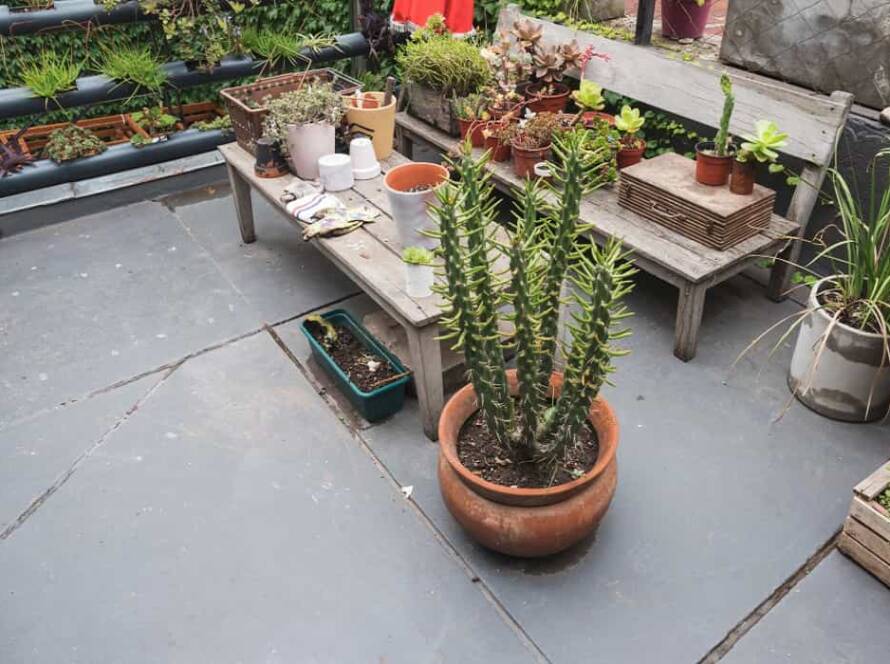


A great approach to include nature into your everyday life is through home gardening. Whether you have a spacious backyard, a small balcony, or just a sunny window, you can grow healthy plants with the right care and a little patience. A home garden also makes your surroundings more attractive and gives you a relaxing activity to enjoy in your free time.
However, growing beautiful plants requires more than simply watering them every day. You need to understand their sunlight requirements, soil quality, watering needs, and seasonal preferences. These practical tips for gardening at home will help beginners and experienced gardeners create a greener, healthier space.
Choose the Right Plants for Your Space
Start by selecting plants that suit your available space and local climate. If you have a balcony or a small terrace, choose plants that grow well in containers. Tulsi, aloe vera, money plants, marigolds, and suitable seasonal flowers are popular choices for Indian homes.
For a kitchen garden, consider growing coriander, mint, green chillies, spinach, or tomatoes according to the season. To maximize your available space, you can also experiment with different vegetable garden plants.
Before buying a plant, check how much sunlight it needs and whether it can grow comfortably in a pot. Choosing suitable plants from the beginning makes gardening easier and improves your chances of success.
Provide the Right Amount of Sunlight
Sunlight plays an important role in plant growth. Most flowering plants and many vegetables need several hours of direct sunlight every day, while some indoor plants prefer bright, indirect light.
Observe your garden throughout the day to understand how much sunlight each area receives. Place sun-loving plants in brighter locations and move shade-tolerant plants away from harsh afternoon sunlight when necessary.
During hot Indian summers, young plants and sensitive varieties may need protection from intense afternoon heat. A suitable location helps prevent leaf scorch and supports healthy growth.
Use Good-Quality Soil
Healthy soil provides plants with nutrients, moisture, and support for their roots. Ordinary garden soil may become too compact when used in pots, making it difficult for water and air to reach the roots.
Use a suitable potting mix that drains well and retains enough moisture for your chosen plants. You can improve the growing medium with mature compost or well-rotted organic manure.
Avoid using fresh manure directly around plants, as it may damage roots. Also, ensure that pots have drainage holes so excess water can escape easily.
Water Plants According to Their Needs
Watering is one of the most important tips for gardening at home, but overwatering is a common mistake. Too much water can suffocate roots and encourage root rot, while too little water may cause wilting and slow growth.
Check the soil before watering. If the upper layer feels dry, water the plant thoroughly until excess water drains from the bottom of the pot. Plants in hot, sunny locations may need more frequent watering than those growing indoors or in shaded areas.
Watering in the early morning is often a practical choice, especially during summer. However, the correct frequency depends on the plant type, pot size, soil, and weather conditions.
Feed Plants with Suitable Nutrients
Plants need nutrients to develop strong roots, healthy leaves, and flowers. When growing plants in containers, nutrients can become depleted over time, so regular feeding may be necessary.
Add mature compost according to the plant’s needs, and use a balanced fertiliser when appropriate. Follow the product instructions and avoid applying more fertiliser than recommended. Excessive feeding can harm roots and encourage leafy growth at the expense of flowers or fruit.
Healthy soil, suitable watering, and adequate sunlight should come first. Fertilisers work best when these basic growing conditions are already in place.
Keep Plants Clean and Check for Pests
Regularly inspect your plants for yellow leaves, unusual spots, damaged shoots, or insects. Early detection makes it easier to manage common garden problems before they spread.
Remove dead leaves and trim damaged branches with clean gardening tools. Give plants enough space for air circulation, and avoid keeping the soil constantly wet.
For minor pest problems, you can remove affected leaves or wash suitable plants gently with water. If you use a garden pest-control product, follow its label carefully and keep children and pets away as directed.
Choose Suitable Pots and Maintain Drainage
The right pot gives roots enough room to grow. Select containers based on the mature size of the plant, and make sure every pot has drainage holes. Lightweight containers can be useful for balconies, while larger pots may be better for plants that develop extensive roots.
Do not place a small plant in an unnecessarily large container, as the extra soil may stay wet for too long. Repot plants when their roots become overcrowded or start emerging from the drainage holes.
Clean containers before reusing them, especially if the previous plant suffered from a disease.
Follow a Simple Gardening Routine
Consistency is more useful than making many changes at once. Set aside a few minutes each day or several times a week to check soil moisture, inspect leaves, remove weeds, and notice new growth.
Keep a simple note of watering, feeding, and seasonal planting activities. This might assist you in determining what is most effective in your garden.
Remember that plant growth takes time. Some plants grow quickly, while others need several weeks or months to develop properly. Be patient and adjust your care routine according to the plant’s response.
Frequently Asked Questions
How can beginners start gardening at home?
Start with a few easy-to-grow plants that suit your climate and available sunlight. Use pots with drainage holes, good-quality potting mix, and a manageable watering routine. Add more plants as your confidence grows.
How often should I water plants at home?
There is no single watering schedule for every plant. Check the soil moisture before watering and consider the weather, pot size, and plant variety. Avoid keeping the soil continuously soggy.
Which plants are suitable for home gardening in India?
Tulsi, mint, aloe vera, marigolds, coriander, green chillies, and selected seasonal vegetables are practical options. Choose varieties according to your local climate, available sunlight, and growing space.
How can I make my home garden look beautiful?
Combine plants with different leaf shapes, heights, and flower colours. Keep pots organised, remove dead leaves, maintain clean pathways, and group plants according to their sunlight and watering needs.
Is compost necessary for home gardening?
Compost is not essential for every growing setup, but mature compost can improve soil structure and add organic matter. Use it in suitable quantities alongside a well-balanced growing medium.
Conclusion
Growing healthy and beautiful plants at home becomes easier when you understand their basic needs. Choose suitable plants, provide the right sunlight, use well-draining soil, water carefully, and check for pests regularly. You can create a garden that works for your area, climate, and daily schedule with the help of these easy gardening techniques. Start small, care for your plants consistently, and enjoy watching your home become greener over time.