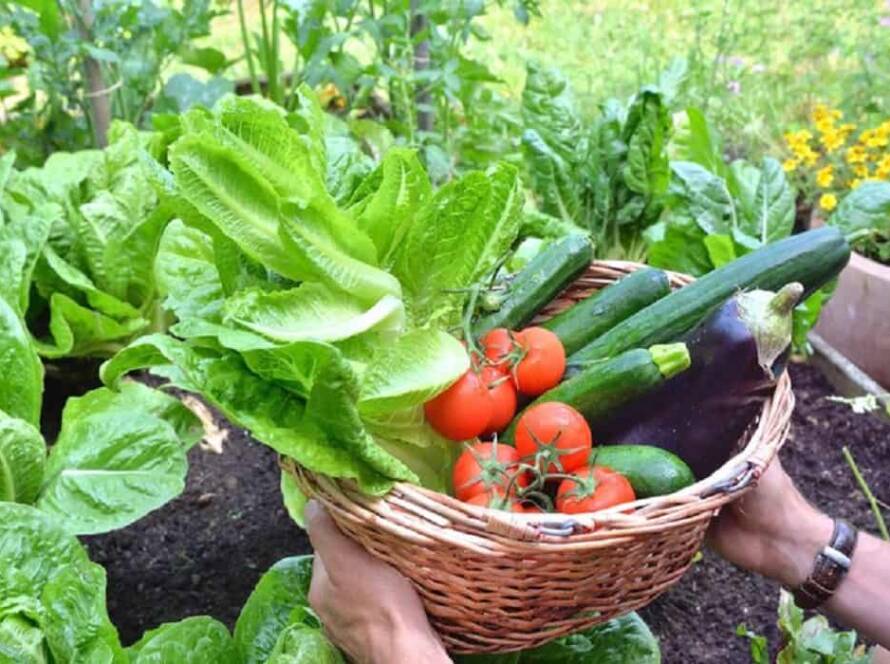

There is something satisfying about stepping into your garden and picking a vegetable for the day’s meal. You know where it came from, how it was cared for, and how long it took to reach that stage. This is one of the simple pleasures of growing food at home. With the right vegetable garden plants, even a modest balcony, terrace, courtyard, or backyard can become a useful growing space.
The key is not to fill every corner with plants. Choose vegetables that suit your climate, available sunlight, containers, and cooking habits.
Tomatoes Are a Great Starting Point
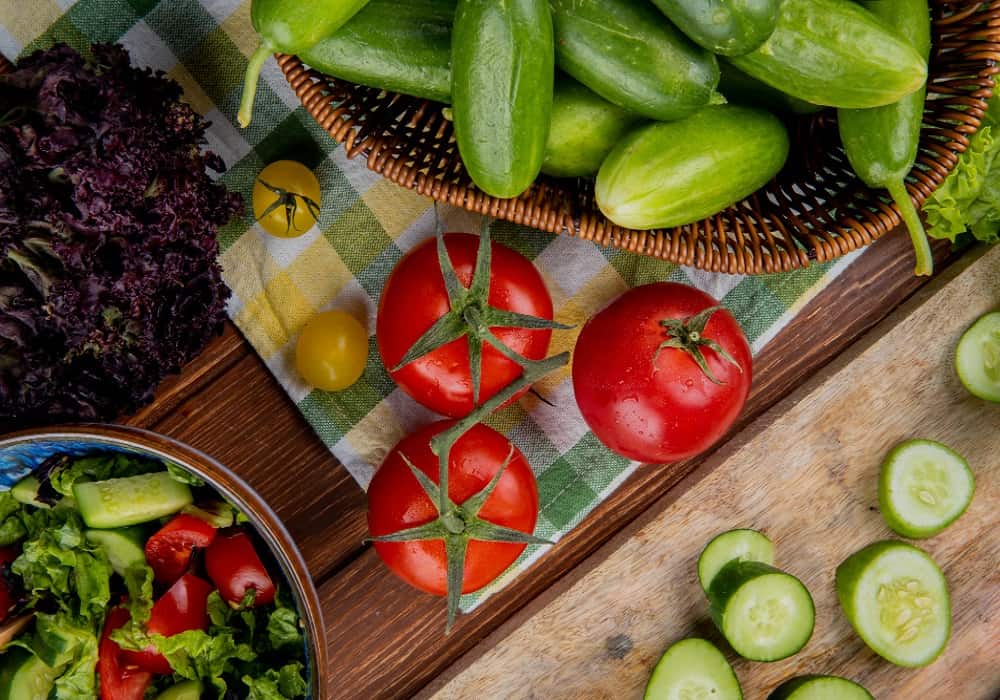
Tomatoes are among the most useful plants for a home vegetable garden. They can be grown in pots, grow bags, or directly in the ground, depending on the available space.
A tomato plant needs a bright location and enough room for its roots. As it grows taller, it may need a stake or other support. Regular observation is helpful because tomatoes can show signs of stress through their leaves, stems, or fruit.
For beginners, tomatoes are also rewarding because you can clearly see the plant change from flowering to fruit formation.
Green Chillies Need Very Little Space
If you use green chillies regularly in your kitchen, growing your own can be a practical choice. A healthy chilli plant can fit comfortably in a container and can continue producing for a period when given suitable growing conditions.
Place the pot where it receives enough sunlight, and avoid keeping the soil constantly wet. A container with proper drainage is particularly important.
Chilli plants also add a neat green appearance to balconies and terraces, making them useful for both edible and decorative gardening.
Grow Spinach for Quick Green Harvests
Leafy vegetables can be a smart option when space is limited. Spinach can be grown in containers and does not need the same amount of room as many larger vegetables.
Instead of planting everything at one time, you can sow in small batches. This can help spread out the harvest rather than ending up with more leaves than you can use in a few days.
Regular harvesting also gives you a reason to spend time checking the plants and noticing new growth.
Try Coriander in a Small Corner
Coriander is one of those kitchen herbs that can make a home garden feel immediately useful. It does well in containers when it receives suitable light and is grown in a well-drained medium.
You do not need a large planter. A shallow but reasonably wide container can work well, which makes coriander suitable for windows, balconies, and compact kitchen gardens.
For many Indian households, growing a small amount at home is enough to add fresh leaves to everyday meals.
Add Radish to Your Seasonal Plans
Radish is another option for gardeners who enjoy crops that do not take an extremely long time to mature. The edible root develops below the soil, so using loose growing material is important.
A deep enough container gives the root room to develop. Avoid compact soil because it can make root growth difficult and may result in poorly formed vegetables.
Radish can be especially interesting for children because they can see the plant above the soil while waiting for the edible part to develop underneath.
Do Not Ignore Beans and Climbers
Beans can make good use of vertical space. Instead of allowing the plant to spread across the ground, give it a sturdy support and guide the stems upwards.
This can be helpful on terraces and in small backyard gardens where floor space is limited. Good air circulation around the leaves is also useful.
Climbing vegetables can bring another dimension to your garden by using height rather than taking up additional ground area.
Choose Plants According to the Season
Not every vegetable should be planted whenever you feel like gardening. Weather plays a major role in plant growth.
Warm-season vegetables and cool-season crops have different preferences. Extreme heat, heavy rain, or cold temperatures can affect germination, flowering, and harvests.
This is why experienced gardeners usually plan their planting around local conditions rather than trying to force the same crops throughout the year.
The same idea applies when choosing flowering plants. You can explore evergreen flowering plants in india separately if you want to add year-round colour alongside your edible garden.
Make Soil and Watering Work for You
Even excellent vegetable garden plants can struggle when the growing medium is poor. Containers should allow excess water to escape, while the soil should remain loose enough for roots to spread.
Watering also needs attention. Do not assume every plant needs water every day. Feel the soil and consider the current weather before adding more.
Feeding should also be moderate. Compost and suitable organic matter can support soil health, but adding too much fertilizer can create its own problems.
Grow What Your Family Will Eat
A productive garden is not necessarily the one with the largest number of plants. It is the one that gives you something useful.
Think about what appears regularly in your kitchen. If your family cooks with tomatoes, chillies, coriander, spinach, beans, or radish, begin there.
When your garden produces something you already enjoy eating, caring for the plants becomes much more rewarding.
Conclusion
The best vegetable garden plants are not simply the ones that look attractive in a nursery. They are the plants that match your space, weather, time, and everyday needs.
Tomatoes, chillies, spinach, coriander, radish, and beans can give home gardeners a practical starting point. Begin with a few varieties, learn how they respond to your growing conditions, and expand gradually.
A productive garden grows through observation and patience. You do not need perfection. You only need to start, learn, and keep growing.
FAQs
1. Which vegetable garden plants are suitable for beginners?
Tomatoes, green chillies, spinach, coriander, radish, and beans can be practical choices. The best option depends on sunlight, season, container size, and local weather.
2. Can vegetables be grown in pots?
Yes. Many vegetables grow well in containers when they have enough root space, suitable soil, sunlight, and proper drainage.
3. How much sunlight do vegetable plants need?
Sunlight requirements differ between crops. Before planting, check the preferred light conditions of each vegetable and place the container accordingly.
4. Why is drainage important for vegetable plants?
Poor drainage can leave excess water around the roots. Containers with drainage holes help remove surplus water and create a more suitable growing environment.
5. How should I decide what to grow at home?
Start with vegetables your family already uses and choose varieties that suit your available space and current season. This makes the garden easier to manage and more useful.