
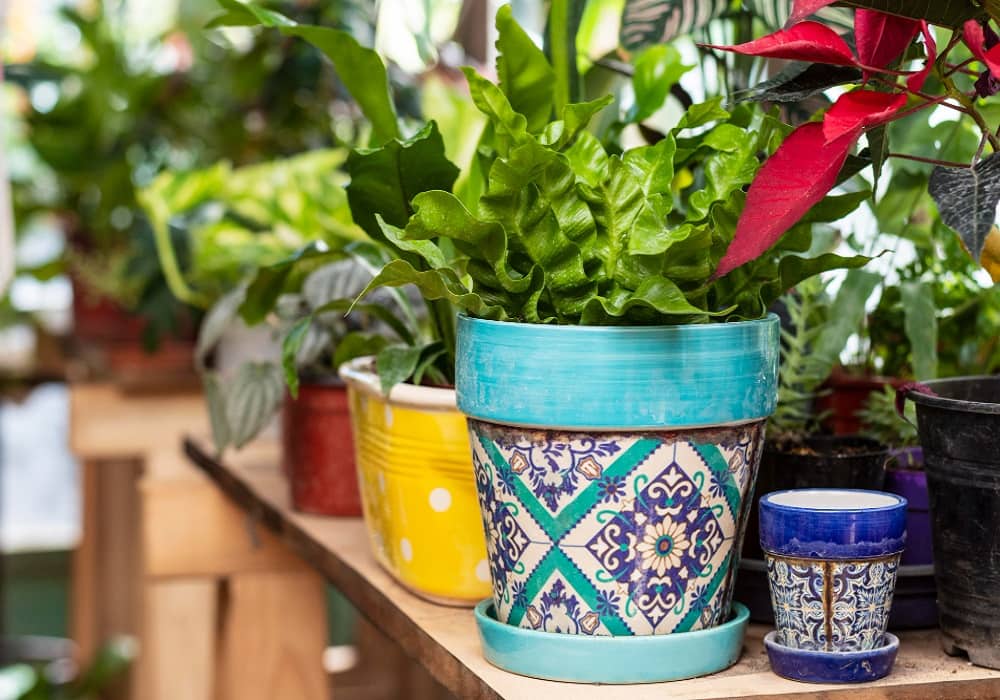
You don’t have to give up your passion for gardening just because you live in a small home or apartment. Even a compact balcony, a shaded window or a corner near the entrance can become a refreshing green space with the right plants and containers. The key is to choose plants that suit your available sunlight and make practical use of the space.
These container gardening ideas for small spaces will help you create a beautiful garden without needing a large terrace or a sunny outdoor area. With a little planning and regular care, you can enjoy healthy plants even where direct sunlight is limited.
1. Choose Plants That Grow Well in Low Light
The first step is to understand how much natural light your space receives. Some plants can manage in bright indirect light, while others need several hours of direct sunlight to grow properly.
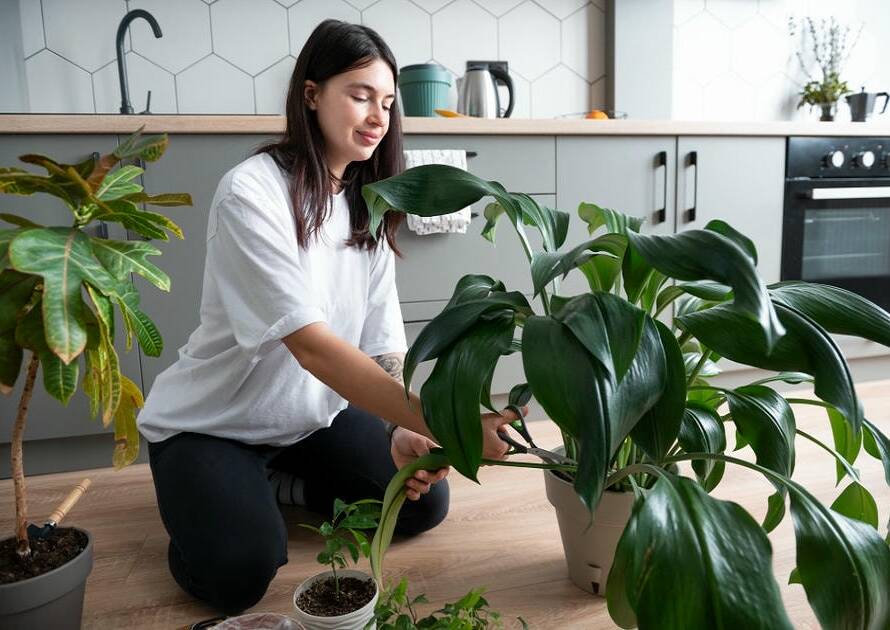
For shaded balconies and indoor corners, consider plants such as money plant, snake plant, ZZ plant and peace lily. These are suitable choices for spaces with limited direct sunlight, although they still need natural light to remain healthy.
If you want to grow edible plants, mint and some leafy greens may work in areas receiving a few hours of gentle sunlight. However, flowering plants and fruit-bearing vegetables generally need more direct sunlight.
Before buying plants, observe your space for a few days and note when sunlight reaches it. This simple step can help you avoid choosing plants that struggle to grow.
2. Use Vertical Space to Make Room for More Plants
When floor space is limited, look upwards. Vertical gardening is a practical way to arrange more plants without overcrowding your balcony or windowsill.
Wall-mounted planters, hanging pots and sturdy plant stands can help you organise your collection neatly. A railing planter may also be useful where it can be installed safely and is permitted by your building rules.
Place light-loving plants in brighter positions and shade-tolerant plants in areas with less light. Make sure hanging pots receive enough air circulation and can be watered without creating problems for neighbours below.
Avoid placing too many plants close together. Good spacing allows leaves to dry after watering and makes everyday plant care easier.
3. Select the Right Containers and Potting Mix
The right container can make a noticeable difference to plant growth. You can use sturdy repurposed containers, ceramic pots, plastic containers, or terracotta pots. Whatever you choose, ensure that it has drainage holes at the bottom.
Oversized pots may hold moisture for too long when the growing medium is inappropriate, whereas small pots may dry out soon. Select a container that matches the plant’s size and growth habits.
Use a light, well-draining potting mix that holds enough moisture without becoming waterlogged. Garden soil alone may become compacted in containers, so improve its structure with suitable materials such as cocopeat and compost.
A good potting mix containing mature compost can promote consistent growth for herbs and leafy plants. Avoid filling containers with too much fertiliser, as excessive nutrients may damage plant roots.
4. Grow Herbs and Leafy Greens in Suitable Spots
A tiny container garden can be both practical and esthetically pleasing. Herbs such as mint and coriander can grow in pots when their light, water and temperature needs are met. Mint is particularly convenient because it grows well in containers and can spread quickly when planted in open soil.
If you enjoy growing edible plants, explore these plants for kitchen garden in India to find more options suited to your available space and local climate.
Remember that limited sunlight affects edible crops differently. Coriander and certain leafy greens may tolerate partial shade, but growth can be slower. Tomatoes, chillies and other fruiting plants usually need several hours of direct sunlight for a good harvest.
Start with just two or three suitable plants. Once you understand how they respond to your space, you can gradually expand your collection.
5. Water Carefully and Keep Plants Healthy
Plants growing in shaded spaces often use water more slowly than those receiving strong sunlight. Watering them too frequently can leave the soil wet for long periods and encourage root problems.
Check the top layer of the potting mix before watering. If it still feels moist, wait and check again later. When watering is needed, add enough water to moisten the root area and allow the excess to drain freely.
Remove yellow or damaged leaves and check your plants regularly for pests. Wipe dusty leaves gently so they can receive available light more effectively.
Rotate pots occasionally if plants are leaning towards a light source. Also, avoid keeping pots in completely dark corners. Even shade-tolerant plants need suitable natural light for healthy growth.
6. Make Your Small Garden Attractive and Practical
A beautiful container garden does not require expensive decorations. You can create a pleasing arrangement by grouping pots of different heights and using containers in complementary colours.
Keep taller plants towards the back or sides so they do not block light from smaller ones. Use hanging planters where appropriate, but leave enough room to move around comfortably.
Choose plants with different leaf shapes and shades of green to add variety. A clean, organised arrangement often looks better than filling every available corner with pots.
Most importantly, work with the conditions you have. A simple collection of healthy plants is far more rewarding than a crowded garden filled with plants that cannot thrive in the available light.
Frequently Asked Questions
1. Which plants grow well in containers with limited sunlight?
Money plant, snake plant, ZZ plant and peace lily can suit spaces with limited direct sunlight. Mint and some leafy greens may also grow in partially shaded spots if they receive enough natural light.
2. Can vegetables grow in containers without direct sunlight?
Some leafy greens and herbs can manage with partial sunlight, but growth may be slower. Most fruiting vegetables, including tomatoes and chillies, need several hours of direct sunlight to produce a good crop.
3. How often should I water container plants in shaded areas?
There is no fixed watering schedule. Check the potting mix before watering because shaded containers often dry more slowly. Water when the plant’s soil and moisture needs indicate that it is time.
4. Which containers are best for small-space gardening?
Terracotta, plastic and ceramic pots can all work well. Choose the size according to the plant and ensure the container has drainage holes.
5. How can I fit more plants into a small balcony?
Use wall planters, hanging baskets and plant stands to make better use of vertical space. Keep pots organised, provide enough room for growth and ensure each plant receives suitable light and airflow.
Final Thoughts
Gardening in a low-light area is possible when you choose suitable plants and manage their growing conditions carefully. Start with a few containers, use a well-draining potting mix and pay attention to watering and natural light.
With these simple steps, even a small balcony or shaded corner can become a pleasant green space that brings freshness and a little joy to your daily routine.