
Starting a garden can feel exciting and overwhelming at the same time. Many people buy plants with enthusiasm, only to see them struggle after a few weeks because they are unsure about watering, sunlight, soil, or seasonal care. The good news is that successful gardening does not require years of experience. With the right approach, anyone can grow healthy plants at home. Whether you have a balcony, terrace, backyard, or a few pots near a window, creating a beautiful green space is easier than you might think. When it comes to gardening for beginners in India, understanding local weather conditions and choosing suitable plants can make a huge difference. India’s diverse climate offers excellent opportunities for growing flowers, herbs, vegetables, and ornamental plants throughout the year. By following a few simple gardening practices, beginners can avoid common mistakes and enjoy a thriving garden filled with healthy growth, vibrant colors, and fresh produce.
Choose the Right Location and Understand Sunlight Requirements
One of the most important beginner gardening tips is selecting the right location for your plants. Different plants have different sunlight needs, and placing them in the wrong spot often leads to weak growth. Most flowering plants and vegetables require at least six hours of sunlight daily, while some indoor and shade-loving plants perform better with indirect light. Before purchasing plants, observe your balcony, terrace, or garden space throughout the day to identify sunny and shaded areas. For example, tomatoes, chillies, and marigolds thrive in bright sunlight, whereas money plants and peace lilies prefer partial shade. Understanding sunlight patterns from the beginning helps create healthy plants and reduces future maintenance problems.
Start with Beginner-Friendly Plants for Faster Success
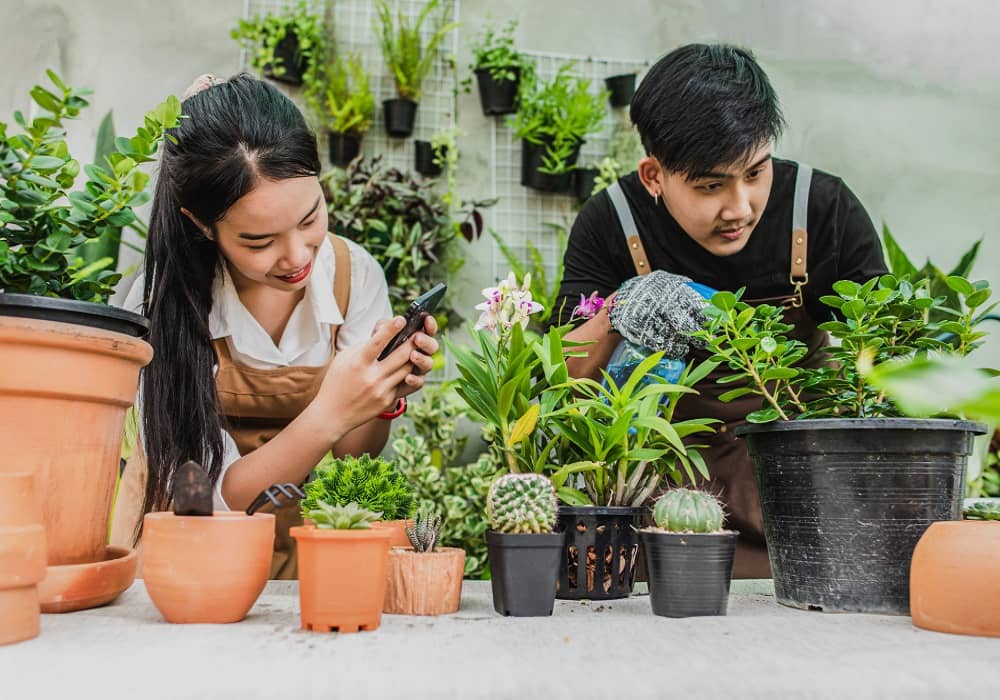
For gardening for beginners in India, choosing easy-to-grow plants increases confidence and improves success rates. Beginners should avoid demanding plants that require constant attention and instead focus on varieties known for their adaptability. Tulsi, aloe vera, mint, curry leaves, marigolds, hibiscus, spinach, and chillies are excellent options for Indian homes. Those interested in flowering plants can also explore easy flowers to grow in pots in india such as zinnias, portulaca, calendula, and petunias. These plants are generally resilient and can tolerate minor care mistakes. Starting with a few simple varieties allows new gardeners to learn watering schedules, pruning techniques, and plant care basics before expanding their collection.
Build a Strong Foundation with Good Soil and Proper Nutrition
Healthy soil is the backbone of successful home gardening in India. Even the best plants struggle when grown in poor-quality soil lacking nutrients and drainage. A balanced potting mix should contain garden soil, compost, and cocopeat or sand to improve aeration and moisture retention. Organic gardening practices such as adding vermicompost, composted kitchen waste, or organic manure can gradually enrich soil quality. Plants also require nutrients throughout their growth cycle, so applying organic fertilizers every few weeks helps maintain vigorous development. Strong roots, healthy foliage, and abundant flowering often begin with proper soil preparation, making this step one of the most valuable investments for any beginner gardener.
Learn Smart Watering Techniques and Avoid Common Gardening Mistakes
Overwatering is one of the most common gardening mistakes made by beginners. Many people assume plants need water every day, but excessive moisture can damage roots and encourage fungal diseases. Instead of following a fixed schedule, check the soil before watering. If the top layer feels dry, it is usually time to water. Early morning watering is often the best choice because it allows moisture to reach roots before the heat of the day. Using pots with drainage holes also prevents water accumulation. At the same time, avoid underwatering during hot summer months. Learning to balance moisture levels helps plants remain healthy and reduces the risk of common growth problems.
Container Gardening and Balcony Gardening Made Simple
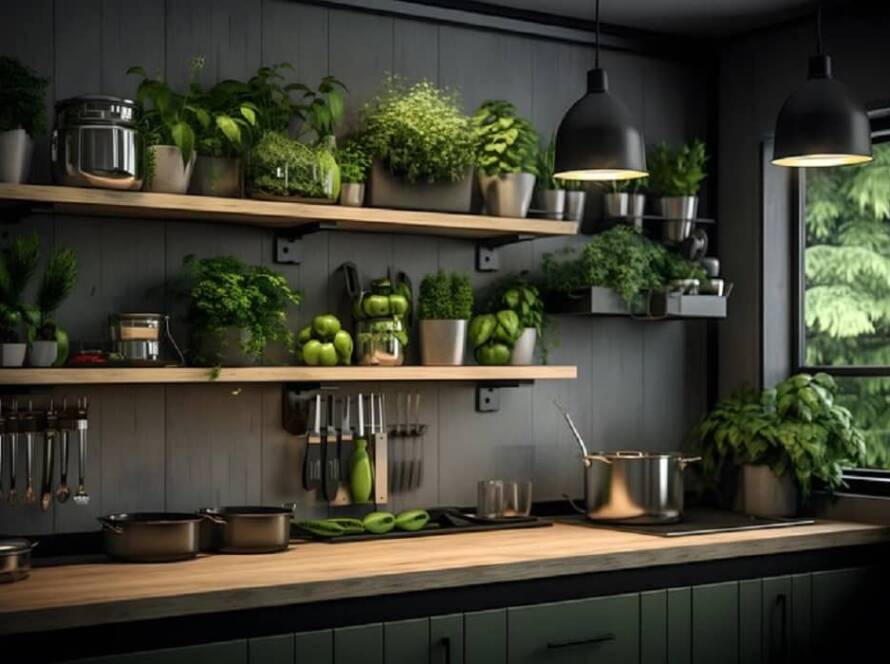
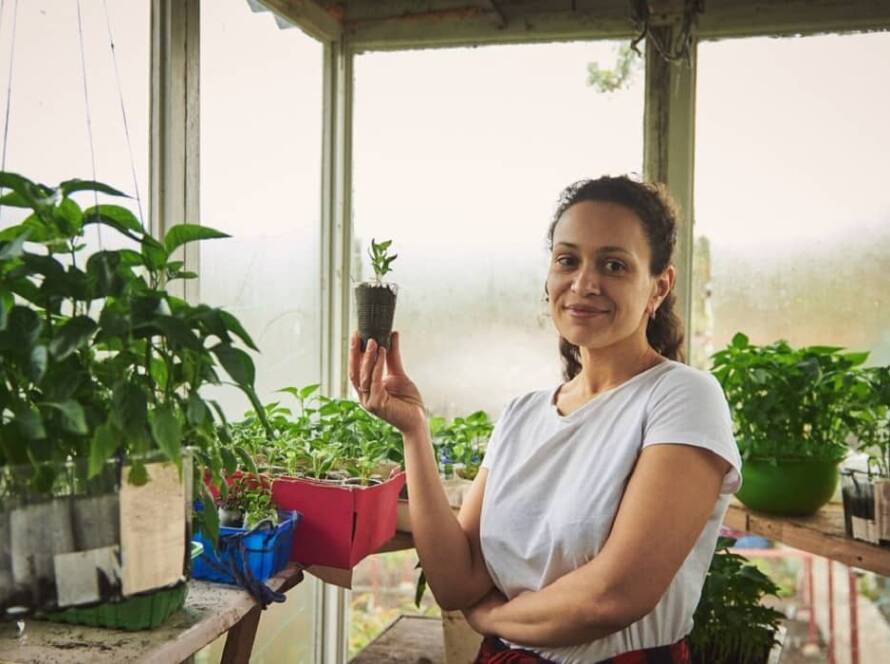
Limited space should never stop anyone from enjoying gardening. Container gardening and balcony gardening have become increasingly popular because they allow people living in apartments to grow plants successfully. Containers come in various sizes and materials, making them suitable for herbs, vegetables, flowers, and ornamental plants. Vertical planters, railing pots, hanging baskets, and grow bags can maximize available space while creating an attractive green environment. Lightweight containers are particularly useful for balconies and terraces. When selecting containers, ensure they have proper drainage and enough room for root development. With thoughtful planning, even a small balcony can become a productive kitchen garden filled with herbs, leafy vegetables, and colorful blooms.
Seasonal Gardening Tips and Long-Term Plant Care
Understanding seasonal plants in India helps gardeners make better planting decisions throughout the year. Summer is ideal for heat-tolerant plants such as portulaca and okra, while winter supports vegetables like cabbage, spinach, carrots, and seasonal flowers such as petunias and pansies. During the monsoon season, proper drainage becomes especially important to prevent root rot. Long-term plant care also includes pruning dead leaves, removing weeds, checking for pests, and repotting plants when necessary. Regular observation allows gardeners to identify problems early before they become serious. Consistent care throughout the seasons ensures stronger growth, healthier plants, and a more attractive garden over time.
Conclusion
Successful gardening is not about having a large space or expensive equipment. It is about understanding basic plant needs and applying simple practices consistently. For anyone interested in gardening for beginners in India, choosing the right location, selecting beginner-friendly plants, preparing quality soil, watering correctly, and providing proper nutrition can dramatically improve results. Small spaces such as balconies and terraces can become productive gardens through smart container gardening techniques, while seasonal planning helps plants thrive throughout the year.
The journey of gardening is also a learning experience. Every plant teaches something new about growth, patience, and care. Mistakes may happen, but each challenge helps build confidence and gardening knowledge. By starting small and focusing on practical habits, beginners can gradually create a healthy and beautiful garden that brings satisfaction every day. Whether you dream of growing flowers, herbs, vegetables, or ornamental plants, the first step is simply getting started and enjoying the process.
FAQs
1. What is the best plant for gardening beginners in India?
Tulsi, aloe vera, mint, marigold, hibiscus, spinach, and chilli plants are among the easiest options for beginners due to their adaptability and low maintenance needs.
2. How often should beginners water their plants?
Watering depends on weather conditions and plant type. Check the top layer of soil before watering and avoid both overwatering and underwatering.
3. Can I start gardening on a small balcony?
Yes. Balcony gardening is ideal for beginners. Containers, grow bags, hanging baskets, and vertical planters help maximize limited space.
4. Which soil mixture is best for container gardening?
A mixture of garden soil, compost, and cocopeat or sand provides good drainage, aeration, and nutrient retention for most plants.
5. What are the most common gardening mistakes beginners make?
Common mistakes include overwatering, poor sunlight placement, overcrowding plants, using low-quality soil, and neglecting seasonal plant requirements.