
Home gardening is becoming a favorite hobby for many Indian families. Whether you live in a flat, independent house, or small apartment, growing plants at home brings freshness, positivity, and happiness. Watching a tiny seed grow into a healthy plant feels peaceful and rewarding. For beginners, gardening may look difficult at first, but with the right guidance and a little patience, anyone can create a beautiful green space at home.
Indian weather is different in every season, so understanding your climate is important before starting. These home gardening tips for beginners will help you grow healthy plants easily while enjoying the beauty of nature every day.
Choose Plants According to Indian Weather
One of the most important home gardening tips for beginners is selecting plants that grow well in your local climate. India experiences strong summers, monsoons, and winters, so not every plant survives throughout the year.
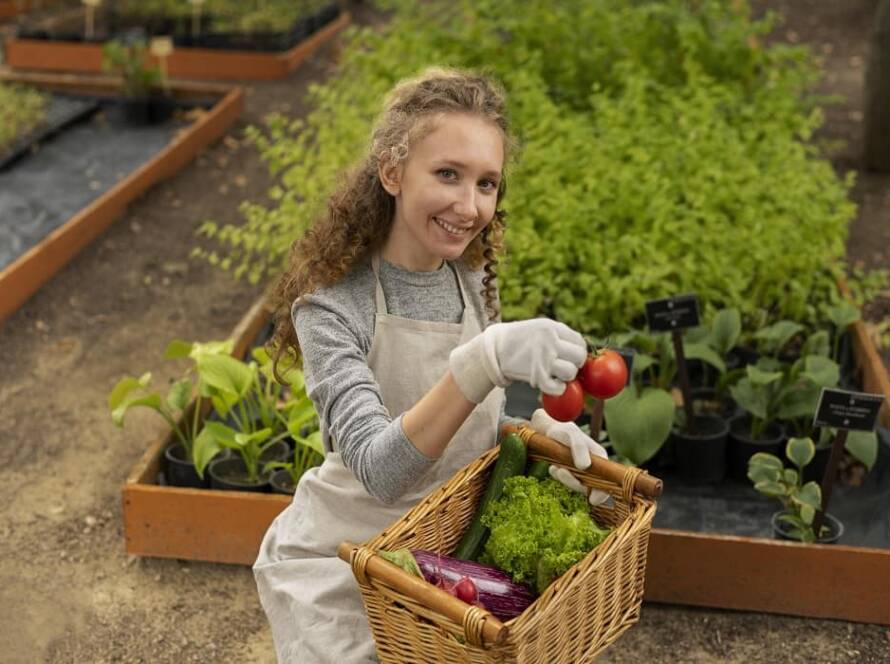
For summer, plants like hibiscus, marigold, chilli, tomato, and aloe vera grow well. During winter, spinach, coriander, peas, and cauliflower are great choices. Monsoon season supports plants like mint, money plant, and jasmine because they enjoy moisture.
Beginners should always start with low-maintenance plants. Easy plants build confidence and help you understand watering, sunlight, and plant care naturally.
Start Small and Grow Slowly
Many beginners make the mistake of buying too many plants together. Managing several plants without experience can become stressful. A better idea is to begin with four or five plants and slowly increase your collection.
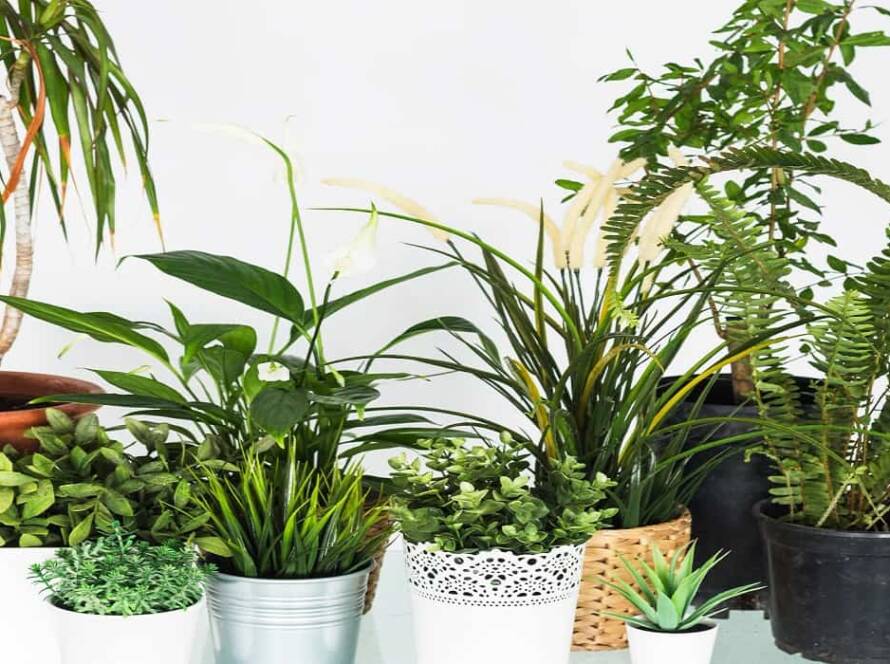
You can use balconies, terraces, windows, or even small corners for gardening. If space is limited, try using container gardening ideas for small spaces because containers are simple to manage and perfect for urban homes.
Starting small also helps you understand how plants react to weather changes, watering schedules, and sunlight conditions in your area.
Use Good Quality Soil for Healthy Growth
The foundation of any good garden is healthy soil. Plants cannot grow properly if the soil lacks nutrients or drainage. Soft, light, and full of organic content are characteristics of good soil.
A simple soil mix for beginners includes normal garden soil, compost, and cocopeat. Compost gives nutrients while cocopeat helps the soil hold moisture during hot Indian summers.
Avoid using hard or clay-heavy soil because it blocks roots from growing properly. In order to facilitate the easy removal of extra water, ensure sure your pots include drainage holes. Waterlogged soil often causes root rot and weak plants.
Understand Sunlight Requirements
Different plants need different amounts of sunlight. Before placing your plants, observe how much sunlight your balcony, terrace, or window receives daily.
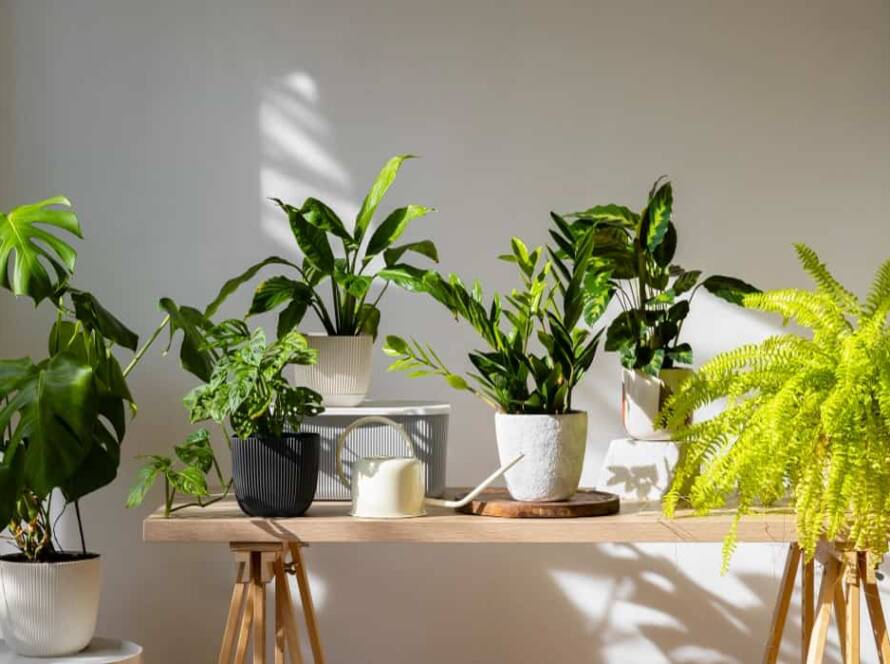
Most vegetables and flowering plants need at least five to six hours of direct sunlight. Indoor plants like snake plant, pothos, and peace lily can survive in indirect light.
During peak Indian summers, strong afternoon sunlight may burn delicate leaves. In such cases, move sensitive plants to partial shade or use green shade nets for protection.
Understanding sunlight is one of the simplest yet most useful home gardening tips for beginners because proper light directly affects plant growth.
Water Plants the Right Way
Overwatering is one of the biggest reasons beginners lose plants. Many people think watering daily means better growth, but too much water can damage roots.
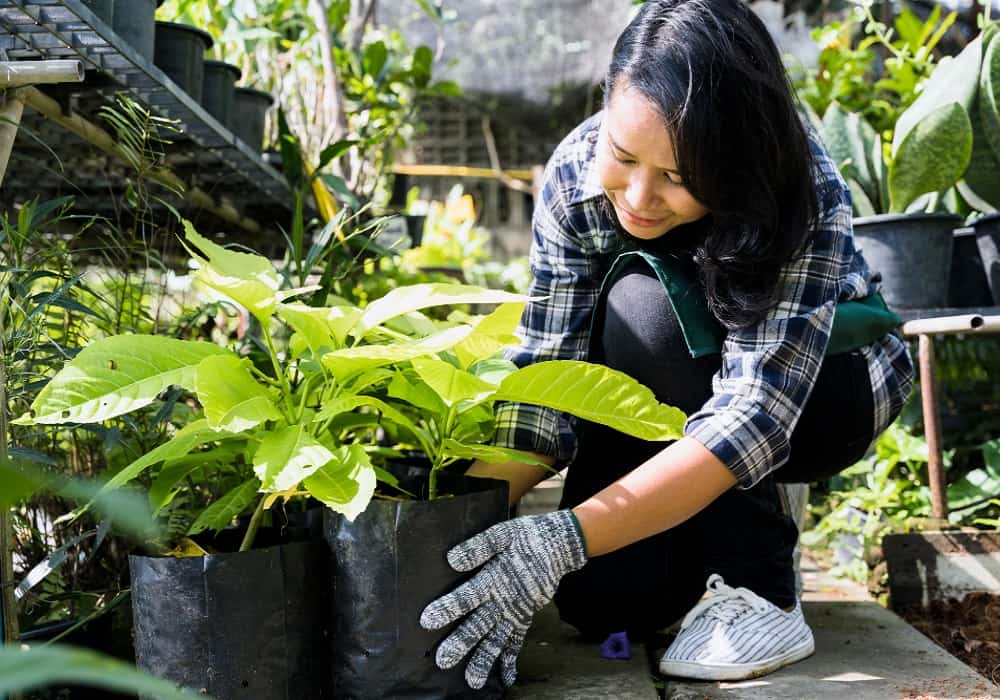
Always check the top layer of soil before watering. If the soil feels dry, water the plant slowly until water drains from the bottom. Early morning is the best time for watering because plants absorb moisture properly before the heat increases.
During monsoon season, reduce watering because natural rain already keeps the soil moist. In summer, plants may need more frequent watering depending on temperature and sunlight.
Plants may not speak, but their leaves clearly show when they need care. Yellow leaves often indicate overwatering, while dry leaves may mean the plant needs more water.
Use Natural Fertilizers for Better Results
Plants need nutrients regularly to stay healthy and green. Organic fertilizers are safe, affordable, and beginner-friendly. Kitchen waste like vegetable peels, tea leaves, and fruit scraps can be turned into compost at home.
Cow dung compost, vermicompost, neem cake, and banana peel fertilizer are excellent natural options for Indian home gardens. These enhance the condition of the soil and promote healthy plant growth without using dangerous chemicals.
Adding fertilizer once every two to three weeks is usually enough for most plants. Too much fertilizer can damage roots, so moderation is important.
Natural gardening not only keeps plants healthy but also creates a safer environment for your family and pets.
Protect Plants During Seasonal Changes
Indian weather changes quickly, and plants often struggle during extreme heat or heavy rain. Beginners should learn basic seasonal protection techniques to keep plants healthy all year.
During summer, water plants early and avoid keeping delicate plants in direct afternoon heat. In monsoon, remove extra water from trays and improve air circulation around plants to prevent fungus. In winter, move sensitive plants indoors during cold nights if necessary.
Simple seasonal care can make a huge difference in plant health. Gardening teaches patience because every season brings a new lesson and every new leaf feels like a small success.
Conclusion
Starting a home garden may seem challenging in the beginning, but small efforts bring beautiful results over time. These home gardening tips for beginners are simple, practical, and perfect for Indian weather conditions. You do not need a large garden or expensive tools to begin. A few pots, healthy soil, sunlight, and regular care are enough to create a peaceful green corner at home.
Gardening is more than growing plants. It is a calming habit that connects you with nature and adds freshness to everyday life. Start with one plant, care for it daily, and slowly watch your home become greener and happier.
FAQs
1. Which plants are best for beginner gardeners in India?
Beginners can start with money plant, tulsi, aloe vera, mint, marigold, tomato, and chilli plants because they are easy to maintain.
2. How often should beginners water plants?
Water plants only when the top soil feels dry. Daily watering is not always necessary and depends on weather conditions.
3. Can I start gardening in a small apartment?
Yes, balconies, windows, and terraces are perfect for small home gardens using pots or containers.
4. Which fertilizer is best for home gardening?
Organic fertilizers like compost, vermicompost, neem cake, and cow dung manure work very well for home gardens.
5. How much sunlight do home garden plants need?
Most vegetables and flowering plants need around five to six hours of sunlight daily for healthy growth.