
Home gardening has become a popular hobby for people who want to enjoy fresh plants, beautiful flowers, and homegrown vegetables. Whether you have a spacious backyard, a small balcony, or a sunny window, creating a garden is easier than many people think. The right tips for gardening at home can help beginners avoid common mistakes and grow healthy plants with confidence.
Gardening is not only rewarding but also helps reduce stress, improves air quality, and brings you closer to nature. With a little planning and regular care, anyone can create a thriving green space at home. Here are some useful pointers to get you going.
Why Home Gardening Is Worth Starting
Growing plants at home offers many benefits beyond improving the appearance of your living space. A home garden provides fresh herbs, vegetables, flowers, and indoor plants while encouraging a healthier lifestyle.
It also gives beginners an opportunity to learn about plant care, soil health, watering, and seasonal gardening. As your confidence grows, you can expand your garden with more varieties and enjoy the satisfaction of nurturing plants from seed to maturity.
10 Essential Tips for Gardening at Home Every Beginner Should Know
1. Choose the Right Location
One of the most important tips for gardening at home is selecting a suitable location. Most vegetables and flowering plants require at least 6–8 hours of sunlight daily. Observe your space before placing pots or garden beds.
2. Start with Easy-to-Grow Plants
If you’re new to gardening, begin with plants that are simple to maintain. Herbs like mint and basil, flowering plants like marigolds, and leafy vegetables such as spinach are excellent choices for beginners.
3. Use Quality Soil
Healthy plants begin with healthy soil. Choose a well-draining potting mix enriched with compost or organic matter. Good soil provides nutrients, supports root development, and helps retain the right amount of moisture.
4. Water Plants Properly
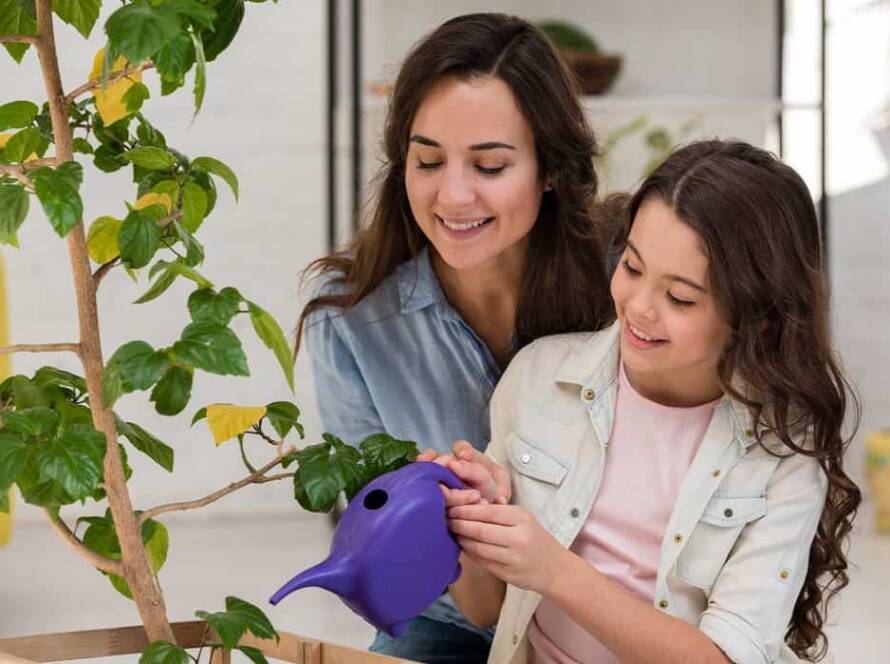
One of the most frequent gardening errors is overwatering. Only water your plants when the soil’s top layer seems dry. Early morning is usually the best time to water because it reduces evaporation and allows plants to absorb moisture efficiently.
5. Feed Plants with Organic Compost
Regular feeding encourages healthy growth. Add compost, vermicompost, or other organic fertilizers every few weeks to replenish nutrients naturally. Organic gardening practices also improve soil health over time.
6. Keep an Eye on Pests
Inspect your plants regularly for insects, yellow leaves, or signs of disease. Early detection makes it easier to manage problems before they spread. Neem oil sprays and proper garden hygiene are simple ways to reduce common pest issues without relying heavily on chemicals.
These practical tips for gardening at home provide a strong foundation for beginners. By focusing on sunlight, soil quality, watering, nutrition, and regular plant care, you’ll create an environment where your plants can grow healthy and strong.
7. Prune and Remove Dead Leaves
Regular pruning helps plants stay healthy and encourages fresh growth. Remove dry leaves, damaged stems, and faded flowers to improve airflow and allow the plant to use its energy for new growth. This is one of the simplest tips for gardening at home that makes a noticeable difference.
8. Choose the Right Pots
To avoid waterlogging, always use containers with drainage holes. Select container sizes based on the plant’s root system, as overcrowded roots can slow growth. If you’re growing plants on a balcony or terrace, lightweight containers are easier to move and maintain.
9. Learn About Seasonal Gardening
Different plants thrive in different seasons. Growing plants according to your local climate increases the chances of success and reduces maintenance. Planning your garden season by season also helps you enjoy flowers, herbs, and vegetables throughout the year.
10. Be Patient and Consistent
Gardening is a journey, not a race. Healthy plants need time to establish strong roots and grow naturally. Stay consistent with watering, feeding, and regular observation. Small daily efforts often lead to the best gardening results.
Conclusion
Following these tips for gardening at home can help beginners build a healthy and beautiful garden without feeling overwhelmed. By choosing the right location, using quality soil, watering correctly, feeding plants regularly, and caring for them throughout the seasons, you’ll create a thriving green space that brings lasting enjoyment.
Every successful gardener starts with simple steps and learns through experience. If you’re ready to grow your own fresh produce, don’t miss our detailed guide on easy to grow vegetables at home in India for practical growing advice and beginner-friendly vegetable recommendations.
Frequently Asked Questions (FAQs)
1. What are the best tips for gardening at home for beginners?
The best tips for gardening at home include choosing plants suitable for your climate, using well-draining soil, providing enough sunlight, watering correctly, and feeding plants with organic compost.
2. How often should I water my garden plants?
The type of plant, the climate, and the soil all affect how much water is needed. In general, water when the top inch of soil feels dry instead of following a fixed schedule.
3. Which plants are easiest to grow at home?
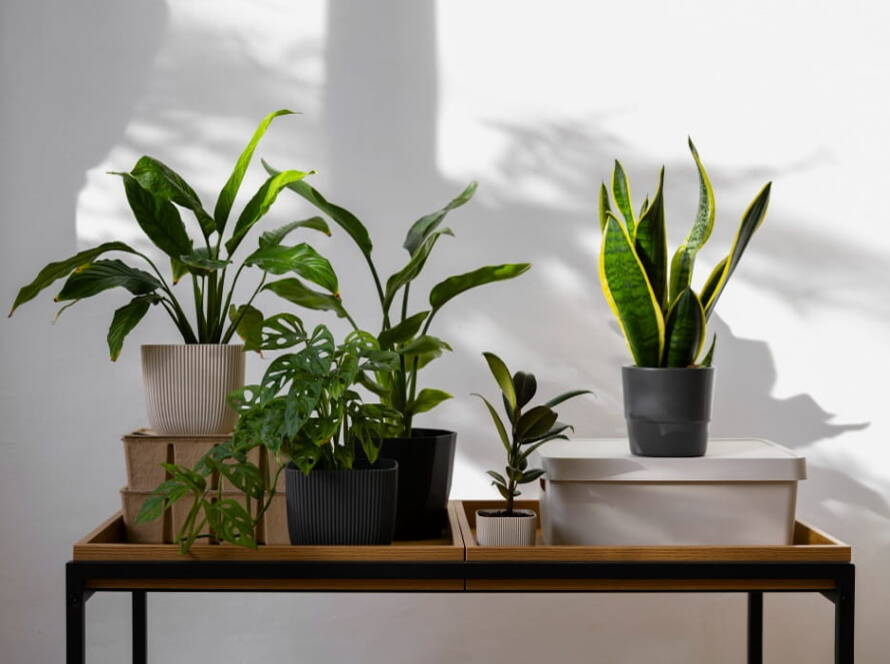
Mint, tulsi, aloe vera, marigold, spinach, coriander, money plant, and snake plant are among the easiest plants for beginners because they require minimal maintenance.
4. Can I start gardening in a small balcony?
Yes. Balcony gardening is an excellent option for beginners. With adequate sunlight, quality potting mix, and proper containers, you can grow herbs, flowers, and vegetables successfully in limited space.
5. What is the best season to start gardening in India?
Spring and the monsoon season are ideal for many plants, but the best time depends on what you want to grow. Choosing seasonal plants and following the right tips for gardening at home will improve your gardening success throughout the year.