
Growing your own vegetables is one of the easiest ways to enjoy fresh, healthy produce while creating a greener home. Whether you live in a spacious house or a small apartment, there are many easy to grow vegetables at home in India that thrive in pots, containers, balconies, terraces, and backyard gardens. With a little planning and regular care, even beginners can enjoy harvesting vegetables throughout the year.
Home gardening is becoming increasingly popular across India because it promotes healthier eating, reduces grocery expenses, and brings families closer to nature. At Tannu Ka Garden, we encourage people to discover the joy of growing their own food with simple, practical gardening methods.
Why Home Gardening Is Growing in Popularity
More Indian families are embracing home gardening than ever before. Urban lifestyles, rising interest in organic gardening, and the desire for chemical-free vegetables have inspired many people to start their own kitchen gardens.
You don’t need a large backyard to begin. Balcony gardening, terrace kitchen gardens, and container gardening make it possible to grow vegetables even in compact spaces. Besides providing fresh produce, gardening is also a relaxing hobby that helps reduce stress and improves overall well-being.
Easy to Grow Vegetables at Home in India for Beginners
If you’re new to gardening, start with vegetables that require minimal maintenance and adapt well to Indian weather.
Some excellent choices include:
- Spinach
- Coriander
- Fenugreek (Methi)
- Tomato
- Green chilli
- Okra (Ladyfinger)
- Brinjal (Eggplant)
- Radish
- Mint
- Spring onion
These kitchen garden vegetables grow well in most parts of India and are commonly used in everyday cooking. Many can be harvested multiple times, making them ideal for beginner gardeners.
Best Vegetables for Balcony and Terrace Gardens
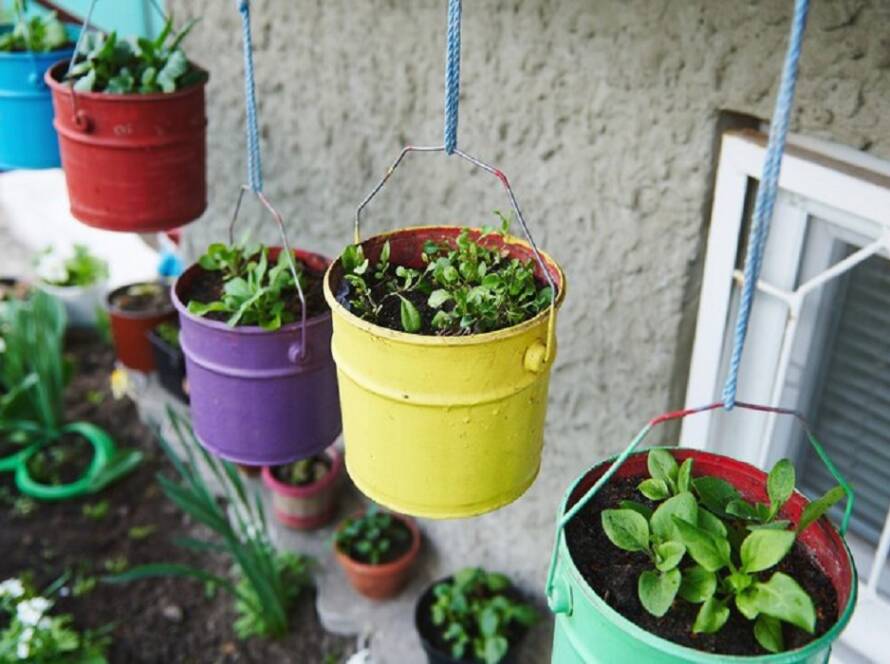
Limited space should never stop you from growing fresh vegetables. Balcony and terrace gardens are perfect for container gardening, allowing plants to thrive with proper sunlight and watering.
Tomatoes, chillies, spinach, coriander, lettuce, beans, and mint perform exceptionally well in pots and grow bags. Use containers with drainage holes and quality potting mix to promote healthy root development.
Place your plants where they receive at least 5 to 6 hours of sunlight daily. Rotating containers occasionally also helps ensure even plant growth.
How to Prepare Soil for Healthy Vegetable Growth
Healthy soil is the foundation of successful vegetable gardening at home. Plants need nutrient-rich, loose, and well-draining soil to develop strong roots.
Mix regular garden soil with compost and cocopeat to improve moisture retention and aeration. Organic compost provides essential nutrients while helping the soil remain fertile over time.
Avoid compact soil, as it restricts root growth and reduces water drainage. Refresh potting mix every growing season to maintain healthy vegetable production.
Watering and Sunlight Tips for Better Harvests
Proper watering is just as important as good soil. Most vegetables prefer evenly moist soil but dislike standing water.
Water early in the morning or during the evening when temperatures are lower. During hot Indian summers, container plants may require daily watering, while cooler seasons often need less frequent watering.
Sunlight is equally essential. Fruiting vegetables like tomatoes, chillies, and brinjal require plenty of direct sunlight, while leafy vegetables such as spinach and coriander can tolerate partial shade.
Regular observation helps you understand your plants’ needs better than following a fixed schedule.
Common Mistakes New Gardeners Should Avoid
Many beginners make simple mistakes that affect plant growth. Fortunately, these are easy to avoid.
Common gardening mistakes include:
- Overwatering plants
- Using poor-quality soil
- Growing too many plants at once
- Ignoring pest inspection
- Placing plants in insufficient sunlight
- Harvesting vegetables too late
- Skipping regular fertilisation
Start with a few vegetables, learn from experience, and gradually expand your garden. Gardening becomes easier with patience and consistency.
Creating a Productive Kitchen Garden All Year Round
A successful Indian kitchen garden changes with the seasons. Growing seasonal vegetables helps plants stay healthy while producing better harvests.
Rotate crops to keep the soil productive and reduce pest problems. Add compost regularly, remove dead leaves, and inspect plants weekly for insects or diseases.
Choose vegetables according to your local climate. Leafy greens grow well during cooler months, while okra, brinjal, chillies, and gourds thrive in warmer conditions.
With thoughtful planning, your kitchen garden can provide fresh vegetables throughout the year while making your home greener and healthier.
Conclusion
Growing easy to grow vegetables at home in India is a rewarding experience for beginners and experienced gardeners alike. By selecting suitable vegetables, preparing healthy soil, providing enough sunlight, and following regular maintenance practices, you can enjoy fresh harvests from your own home garden.
Whether you have a balcony, terrace, or backyard, every small space has the potential to become a productive kitchen garden. For more practical gardening inspiration, be sure to explore our blog on tips for gardening at home and continue building your gardening journey with confidence.
FAQs
1. Which vegetables are easiest to grow at home in India?
Spinach, coriander, tomatoes, chillies, okra, fenugreek, mint, radish, and brinjal are among the easiest vegetables for beginners.
2. Can vegetables be grown in pots?
Yes. Many vegetables grow successfully in pots, grow bags, and containers, making them ideal for balconies and terraces.
3. How much sunlight do vegetable plants need?
Most vegetables require at least 5 to 6 hours of direct sunlight each day, while leafy greens can tolerate partial shade.
4. How often should vegetable plants be watered?
Water when the top layer of soil begins to dry. During summer, container plants may need daily watering, while cooler months require less frequent watering.
5. Which vegetables grow fastest in India?
Spinach, coriander, fenugreek, radish, and lettuce are among the fastest-growing vegetables and can often be harvested within a few weeks under suitable conditions.