
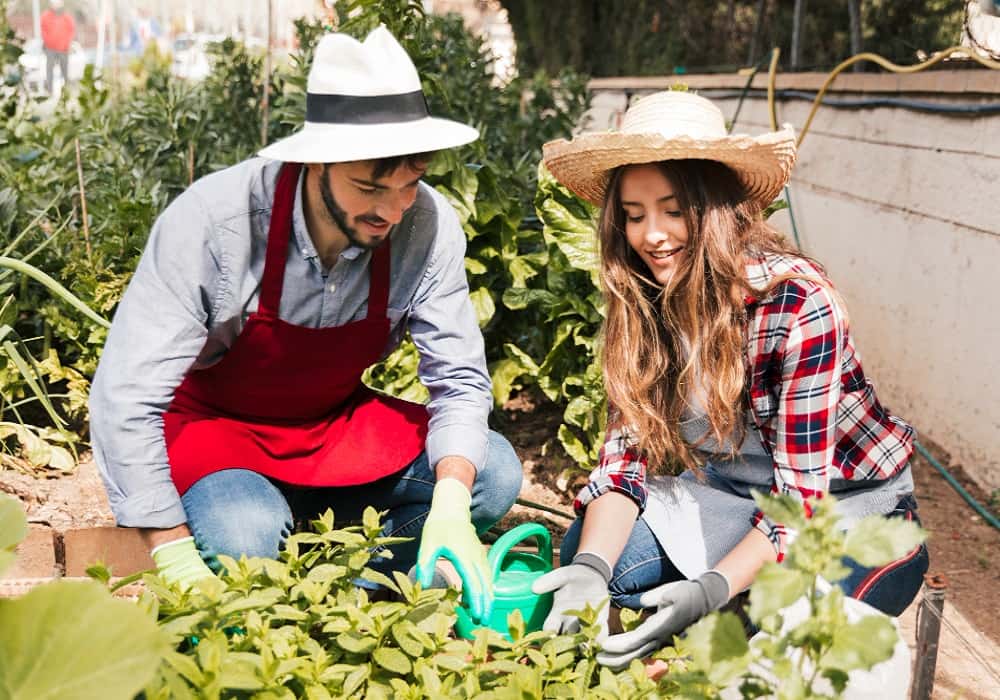
Starting a garden at home is one of the most rewarding hobbies you can take up. Whether you have a spacious backyard, a small balcony, or just a sunny window, growing plants brings freshness and positivity into your daily life. These home gardening tips for beginners will help you build confidence, avoid common mistakes, and enjoy healthy plants throughout the year. With the right approach, anyone can create a thriving garden that provides beautiful flowers, fresh herbs, or homegrown vegetables while making everyday living greener and more enjoyable.
Why Home Gardening Is Perfect for Beginners
Home gardening is more than a hobby. It is a simple way to relax, connect with nature, and improve your surroundings. Caring for plants can reduce stress, encourage mindfulness, and give you a sense of achievement as you watch them grow.
A small kitchen garden can also provide fresh herbs and seasonal vegetables, reducing your dependence on store-bought produce. Even a few pots filled with healthy plants can brighten your home and improve air quality.
For beginners, gardening is an opportunity to learn valuable plant care skills. Every season teaches something new, from understanding watering schedules to recognising healthy plant growth. With patience and regular care, your confidence grows along with your garden.
Home Gardening Tips for Beginners to Get Started
One of the most useful home gardening tips for beginners is to choose the right location. Most flowering plants and vegetables need at least six hours of sunlight every day, so observe your space before placing containers.
Start with easy-to-grow plants such as basil, mint, coriander, spinach, marigold, or money plant. These are generally low-maintenance and help beginners learn basic gardening techniques without feeling overwhelmed.
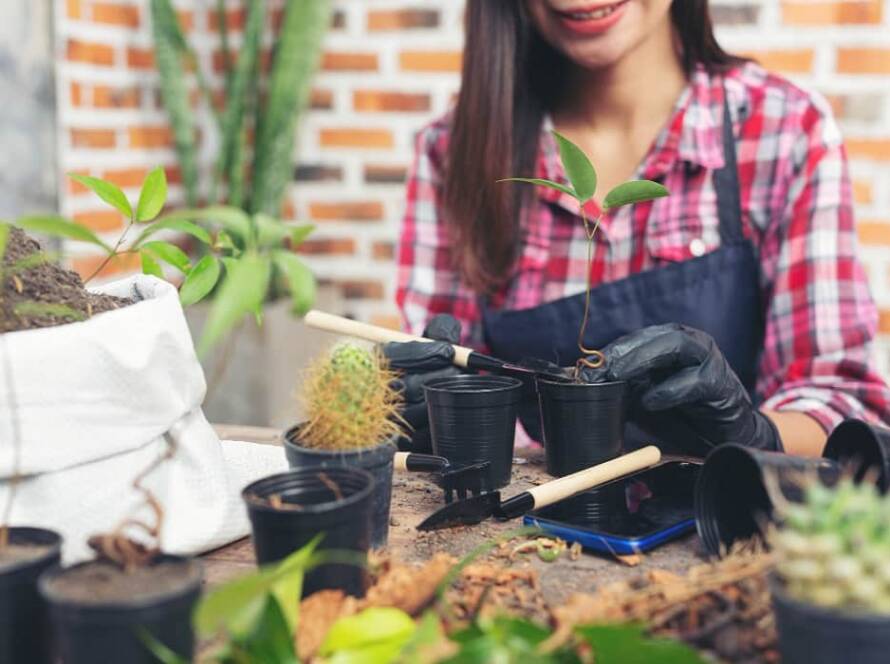
Container gardening is ideal if you have limited space. Select pots with proper drainage holes to prevent water from collecting around the roots. Lightweight grow bags and recycled containers also work well for small gardens.
Use a quality potting mix instead of ordinary garden soil. A mixture containing compost, cocopeat, and soil provides good drainage while supplying nutrients for healthy growth. Good soil forms the foundation of successful home gardening.
Finally, understand each plant’s sunlight and watering requirements. Different plants have different needs, and learning them early helps prevent many common gardening problems.
Essential Plant Care Habits for Healthy Growth
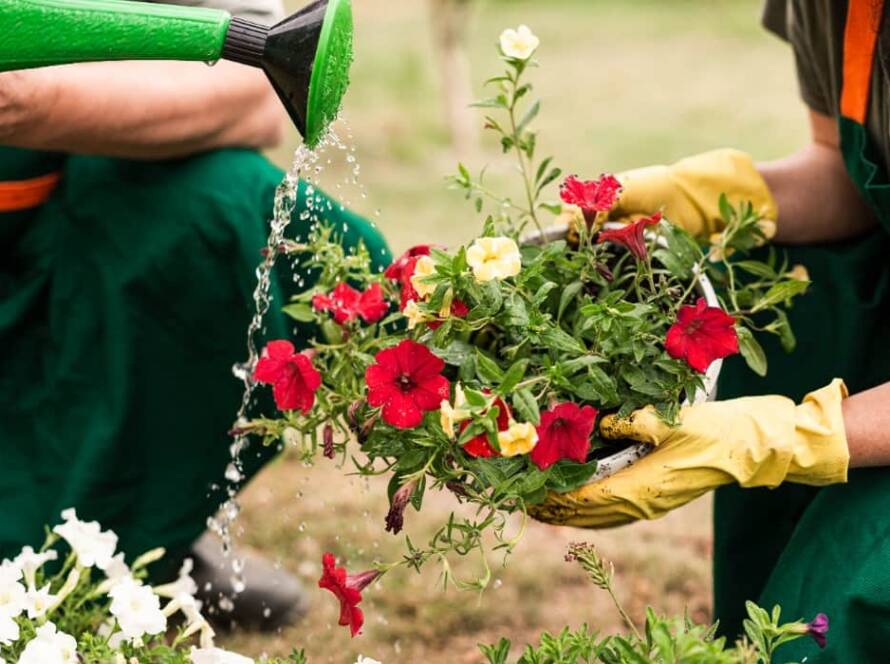
Healthy plants need regular attention rather than occasional heavy care. Water deeply when the soil feels slightly dry instead of watering every day without checking moisture levels. This encourages stronger root development.
Adding organic compost every few weeks improves soil fertility naturally. Compost enriches the soil with nutrients and supports steady plant growth without relying entirely on chemical fertilisers.
Mulching helps retain soil moisture, keeps roots cool during hot weather, and reduces weed growth. Pruning dry leaves and damaged branches also encourages healthier growth while improving the appearance of your garden.
Natural pest management is another important habit. Inspect leaves regularly for insects and use neem oil spray or homemade organic solutions whenever possible. Early action prevents small problems from becoming serious.
Common Gardening Mistakes Beginners Should Avoid
Every gardener makes mistakes, but learning from them helps your garden flourish. Overwatering is one of the most common problems. Always check the soil before watering, as constantly wet soil can damage roots.
Poor drainage is another issue that affects plant health. Choose containers with drainage holes and avoid compacted soil. Beginners should also avoid selecting difficult plants that require specialised care. Start with hardy varieties and gradually expand your collection.
Overcrowding containers limits airflow and nutrient availability, while ignoring seasonal gardening patterns can reduce plant growth. Regular maintenance, including removing weeds, checking for pests, and trimming dead leaves, keeps your garden healthy and productive.
How to Keep Your Home Garden Thriving Throughout the Year
A successful garden grows through consistent care rather than occasional effort. Observe your plants regularly to spot changes in leaf colour, growth, or moisture needs before problems become serious.
Improve the soil by adding compost every season to maintain fertility. If you grow vegetables, practise simple crop rotation to keep the soil healthy and reduce pest issues. Clean your gardening tools after use to prevent the spread of plant diseases.
Creating a simple weekly gardening routine makes maintenance easier. Spend a few minutes watering when needed, checking for pests, pruning damaged leaves, and removing weeds. These small habits ensure your garden stays healthy and attractive throughout the year.
Conclusion
Gardening is a journey filled with learning, patience, and rewarding experiences. By following these home gardening tips for beginners, you can build a beautiful garden that brings fresh produce, colourful blooms, and a sense of accomplishment. Stay consistent with your plant care routine, learn from every season, and enjoy watching your garden thrive. If you want to keep your garden flourishing throughout every season, be sure to explore our guide on seasonal gardening tips in Jaipur for more practical advice.
FAQs
1. Which plants are easiest for beginners?
Beginners can start with mint, basil, coriander, spinach, marigold, aloe vera, and money plant. These varieties are generally easy to maintain, adapt well to different conditions, and help new gardeners learn essential plant care skills with confidence.
2. How often should I water home garden plants?
Watering is dependent on the weather, weather, weather, soil condition. Instead of following a fixed schedule, check the top layer of soil. If it feels dry, water thoroughly. Avoid overwatering, as it may lead to root damage and poor plant health.
3. Can I start gardening in a small apartment?
Yes. Balcony gardens, window boxes, and container gardening make it easy to grow herbs, vegetables, and flowering plants even in limited spaces. Choose compact varieties and ensure they receive enough sunlight for healthy growth.
4. What type of soil is best for home gardening?
A well-draining potting mix enriched with compost is ideal for most plants. Combining garden soil, cocopeat, compost, and sand in suitable proportions creates a nutrient-rich growing medium that supports healthy roots and long-term plant growth.
5. How do I protect plants from pests naturally?
Inspect plants regularly and remove affected leaves as soon as you notice pests. Organic methods such as neem oil spray, homemade soap solutions, companion planting, and keeping the garden clean help control insects while protecting beneficial organisms.