
Creating a beautiful garden at home does not require a large outdoor space, expensive equipment or years of experience. Even a small balcony, terrace, windowsill or empty corner can become a refreshing green space with the right plants and a little care. For anyone interested in gardening for beginners in India, starting with simple plants and understanding their basic growing needs can make the experience enjoyable and rewarding.
Indian homes offer different gardening opportunities depending on available sunlight, seasonal weather and space. Whether you want colourful flowers, fresh vegetables or attractive indoor plants, a few practical steps can help you create a garden that suits your home.
Find the Right Spot Before Bringing Home Plants
Before purchasing pots and plants, spend some time observing your available space. Sunlight is one of the most important factors because different plants need different amounts of light to grow properly.
A balcony receiving several hours of direct sunlight can be suitable for many flowering and vegetable plants. On the other hand, a shaded corner with bright indirect light may work better for certain indoor plants.
Observe how sunlight moves across your balcony, terrace or garden during the day. Also consider whether the space receives strong afternoon heat, heavy rain or too much wind.
Choose plants according to these conditions rather than selecting them only because they look attractive. This simple decision can make everyday plant care much easier.
Select Plants That Match Your Experience
One common mistake beginners make is bringing home too many plants at once. Different plants have different watering, sunlight and maintenance requirements. Managing a large collection from the beginning can become difficult.
Start with a few varieties that are relatively easy to care for. Money plant, aloe vera, spider plant and snake plant are popular options for beginners, although their light and watering needs still need attention.
For outdoor spaces, consider suitable seasonal flowers such as marigold, petunia, zinnia and portulaca. You can also grow simple kitchen garden options like coriander, fenugreek and spinach when the weather is suitable.
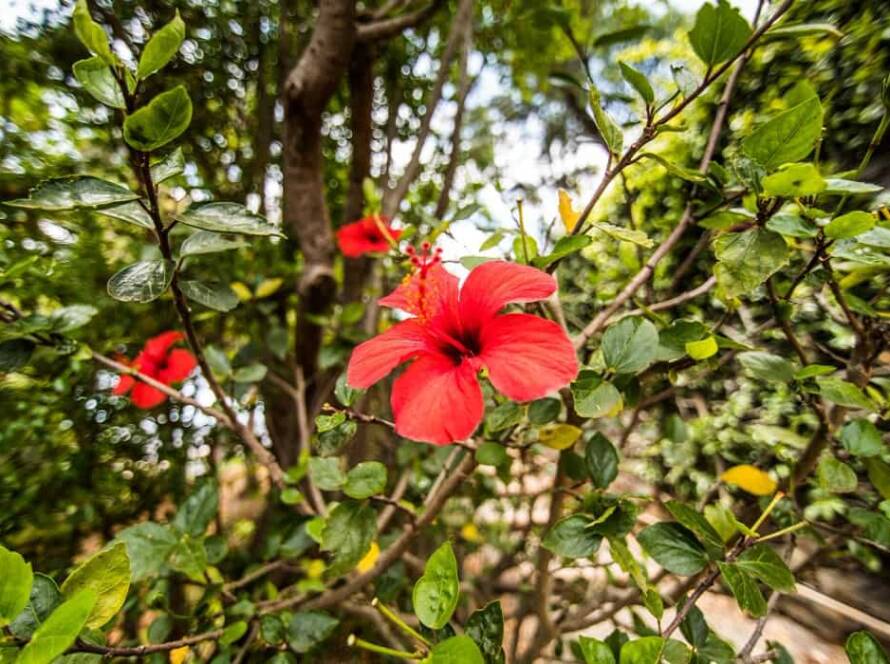
If you enjoy colourful flowers, explore evergreen flowering plants in India to discover varieties that can add lasting greenery and seasonal blooms to your home garden. Choose according to your local climate and available growing conditions.
Prepare Healthy Soil and Choose Suitable Pots
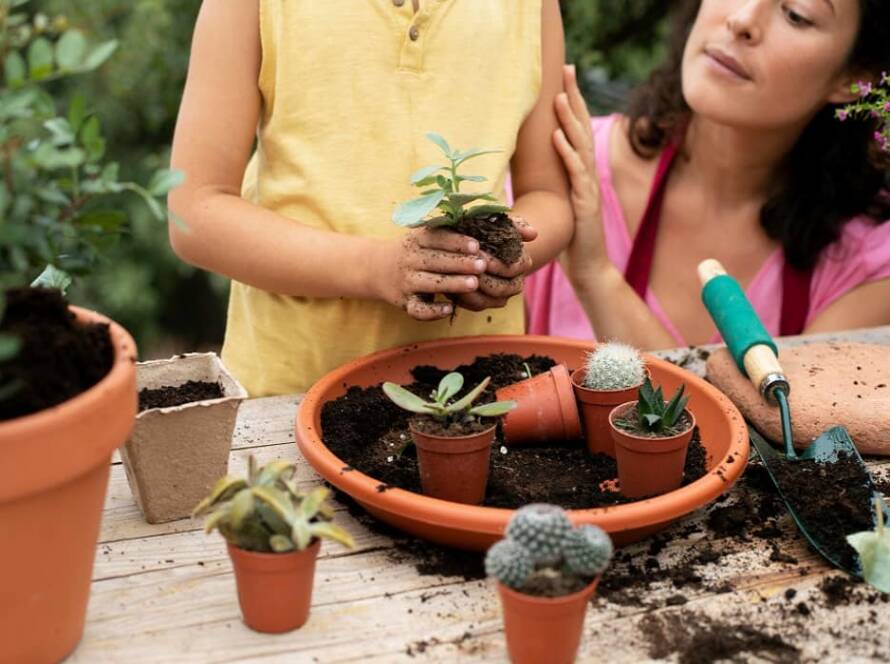
Healthy plant growth begins with the growing medium. Ordinary garden soil may become hard when placed in containers, making it difficult for water and air to move through it.
Use a loose, well-draining potting mixture that provides support, moisture and enough air around the roots. Depending on the plant, you can combine garden soil, compost and suitable materials such as cocopeat or other soil conditioners.
Compost adds organic matter and helps improve the growing medium. However, avoid adding excessive fertiliser, as too much can affect root health.
Your choice of container also matters. Select pots according to the expected size of the plant and make sure they have drainage holes. Without proper drainage, excess water can collect around the roots and increase the risk of root rot.
You can reuse suitable containers, but ensure they are clean, strong enough and have adequate drainage.
Follow a Watering Routine That Suits Each Plant
Giving plants water is simple, but watering every pot in exactly the same way is not always a good idea. A small herb plant and a mature flowering plant may have different water requirements.
Before watering, check the moisture of the soil with your finger. When the upper layer feels dry, assess whether the particular plant needs watering. Some plants prefer slightly moist soil, while others grow better when the soil dries between watering sessions.
Indian summers may increase the need for water, especially in containers exposed to direct sunlight. During rainy or humid weather, however, pots may remain wet for longer.
Water gently around the soil rather than repeatedly splashing the leaves. Morning is often a convenient time because plants can take up water before the warmer part of the day.
Avoid following a fixed watering schedule without checking the actual condition of the soil.
Add Colour and Beauty with Creative Garden Arrangements
A beautiful garden is not only about the number of plants you own. The way you arrange them can completely change the appearance of your space.
Place taller plants towards the back and shorter varieties in front so that each plant remains visible. Hanging baskets can make use of vertical space, while wall-mounted planters can help keep a small balcony organised.
You can also create a particular look by grouping plants according to their appearance. For example, colourful flowering plants can form one section, while green foliage plants can create a calm corner.
Use pots of complementary colours and different heights to add visual interest. Keep enough space between containers for air circulation and easy maintenance.
Avoid overcrowding your garden just to make it look full. Plants need room to grow, and proper spacing makes watering, pruning and cleaning easier.
Make Regular Plant Care a Simple Habit
A garden needs occasional attention to remain healthy. You do not need to spend hours every day looking after your plants. A few small tasks performed regularly can help you notice problems before they become serious.
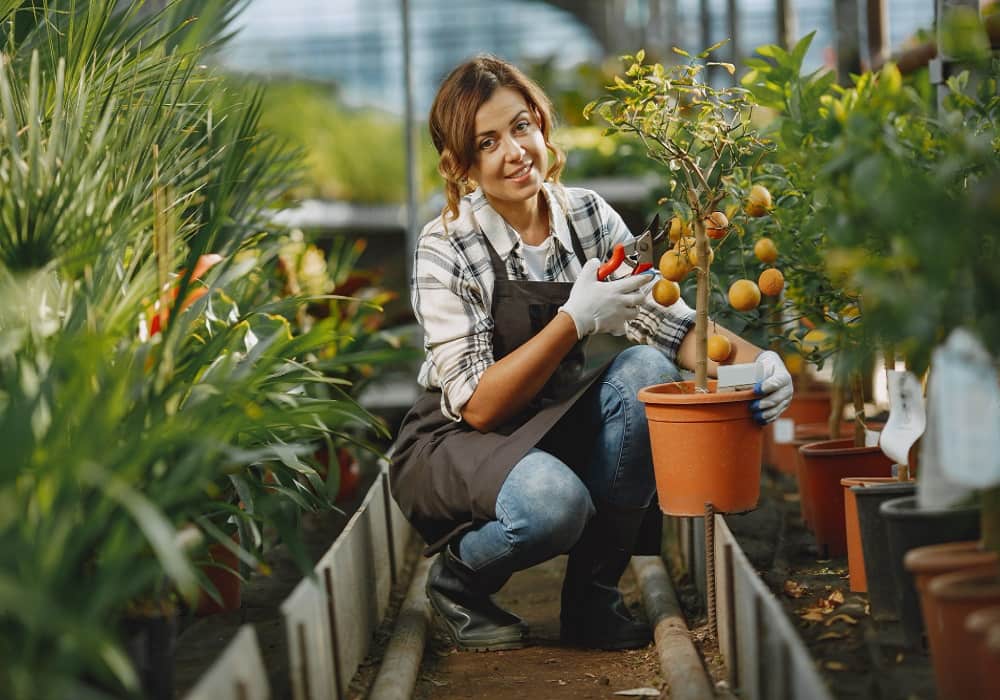
Remove dry leaves and faded flowers when needed. Check the underside of leaves for insects, spots or unusual changes. Prune damaged branches with clean gardening tools and add compost according to the plant’s requirements.
Also rotate containers occasionally when plants receive uneven light, provided the variety can tolerate the change.
Keep a small gardening diary to record new plantings, watering changes and flowering periods. This can help you understand which plants perform well in your home’s conditions.
Conclusion
Creating a beautiful home garden is a gradual process. Start by understanding your available space, selecting suitable plants and preparing good growing conditions. Once you become familiar with sunlight, soil moisture and basic plant care, maintaining a garden becomes much easier.
For those exploring gardening for beginners in India, the best approach is to begin with a manageable collection and learn from everyday experience. With patience, regular care and a little creativity, even a small corner of your home can become a lovely green retreat.
Frequently Asked Questions
How can beginners start gardening at home in India?
Begin with a few easy-to-manage plants. Observe the sunlight in your available space, select suitable pots, prepare well-draining soil and understand the watering needs of each plant.
Which plants are suitable for beginner gardeners?
Money plant, aloe vera, spider plant, snake plant, marigold and portulaca are popular options. Their suitability depends on sunlight, temperature and growing conditions.
How often should home garden plants be watered?
There is no single watering schedule for all plants. Check the soil moisture and consider the plant variety, pot size, weather and sunlight before watering.
Can I create a garden in a small balcony?
Yes. Use railing planters, hanging pots, vertical plant stands and compact containers to make better use of limited space. Keep adequate room for plant growth and movement.
What is the best soil mixture for home gardening?
A suitable potting mixture should support the roots, retain some moisture and allow excess water to drain. Garden soil, compost and suitable materials such as cocopeat can be combined according to the plant’s needs.