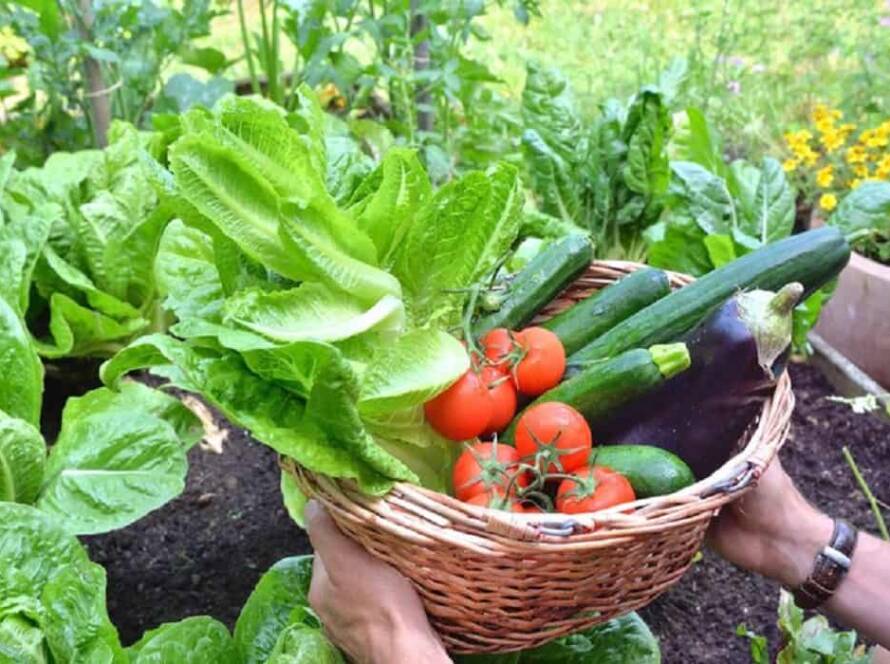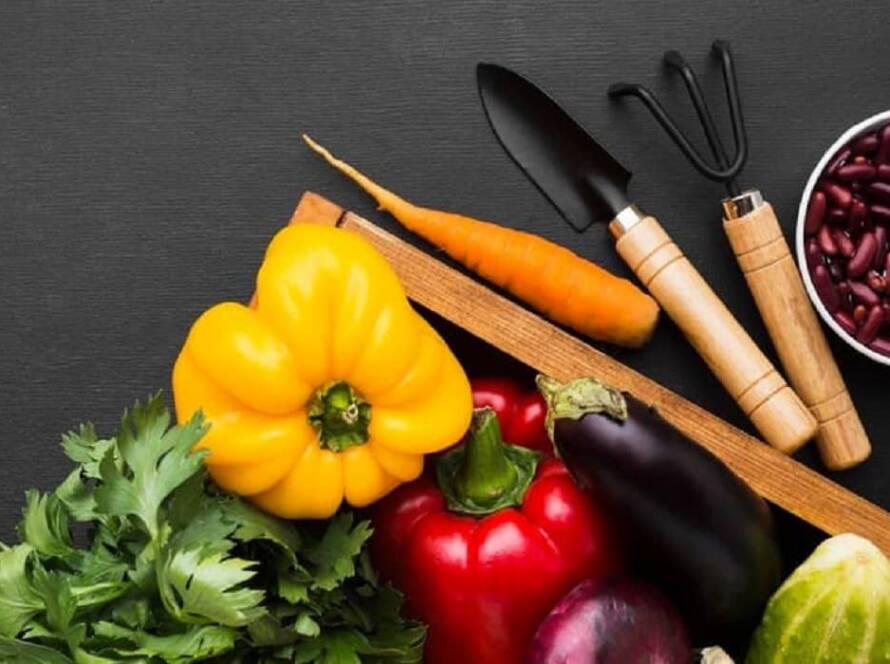

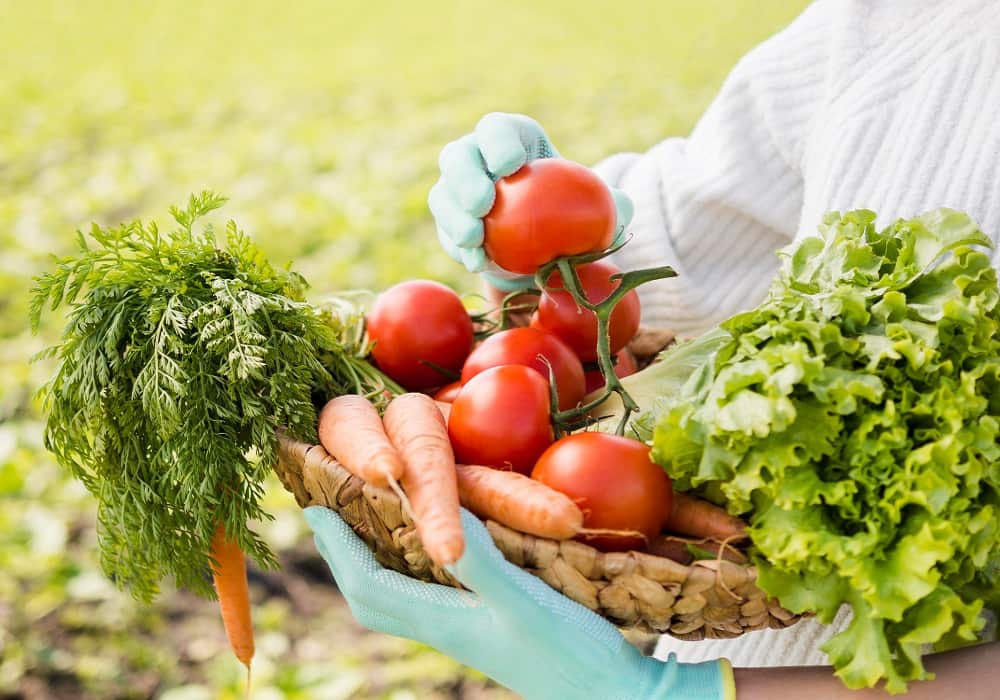
Growing fresh vegetables at home is a rewarding experience. It gives you access to fresh produce, makes better use of your available space, and adds a refreshing touch of greenery to your surroundings. However, choosing the right crops at the right time is important for a healthy and productive garden. Different vegetable garden plants grow best in different weather conditions, so understanding seasonal planting can make kitchen gardening easier and more successful.
Whether you have a balcony, terrace, backyard, or a small space near your home, you can grow a variety of vegetables with proper planning and basic care. Let’s explore some seasonal vegetables that are suitable for Indian home gardens.
Best Winter Vegetables to Grow at Home
Winter is one of the most suitable seasons for growing vegetables in many parts of India. The cooler weather supports the growth of several leafy vegetables and root crops.
Some good choices include:
- Spinach: Easy to grow in pots and grow bags. It provides fresh leaves for regular harvesting.
- Radish: Grows well in loose soil and is suitable for containers with enough depth.
- Carrot: Needs loose, well-draining soil and a sufficiently deep container for proper root development.
- Green Peas: A good option for winter gardens. Provide support to climbing varieties.
- Cauliflower: Grows best in cool weather and needs adequate space and regular feeding.
- Fenugreek (Methi): A quick-growing leafy vegetable that can be harvested in a few weeks.
These vegetables are useful choices for gardeners who want fresh leafy greens and seasonal produce during the cooler months.
Best Summer Vegetables for Your Kitchen Garden
Summer gardening can be challenging because high temperatures and strong sunlight can affect plant growth. However, several vegetables thrive in warm conditions when they receive proper watering and care.
Consider growing these summer favourites:
- Okra (Bhindi): A warm-season vegetable that grows well in sunny locations and produces regularly.
- Cucumber: A fast-growing climber that needs support, sunlight, and consistent moisture.
- Bottle Gourd: Requires space for its vines to spread or climb. It is suitable for terrace and backyard gardens.
- Bitter Gourd: A productive climber that grows well in warm weather with a proper support structure.
- Cowpea: Can grow in warm conditions and is suitable for many Indian home gardens.
- Amaranth: A leafy vegetable that grows well in warm weather and can be harvested regularly.
During summer, water your plants according to their needs, preferably in the early morning or evening. Adding mulch around the base can also help retain soil moisture.
Best Monsoon Vegetables to Grow
The monsoon season brings moisture and favourable growing conditions for several vegetables. However, heavy rainfall and waterlogged soil can damage roots and encourage fungal problems.
Some suitable options include:
- Okra: Can grow during warm and rainy weather, provided the soil drains well.
- French Beans: A good seasonal option that needs proper sunlight and support, depending on the variety.
- Ridge Gourd: A climbing vegetable that grows well with a sturdy trellis.
- Bottle Gourd: Can grow during the rainy season when drainage and airflow are managed properly.
- Cucumber: Suitable for warm, moist conditions, but avoid leaving its roots in standing water.
Use containers with drainage holes and place them where plants receive enough sunlight. Remove damaged leaves and check regularly for pests to keep your garden healthy.
Tips for Growing Healthy Seasonal Vegetables
Choosing suitable crops is only one part of successful kitchen gardening. Proper growing conditions and regular care also make a big difference.
Choose the right containers: Select pots and grow bags according to the root growth and size of each plant. Leafy vegetables need less depth, while carrots and radishes require deeper containers.
Prepare healthy soil: Use a loose, well-draining growing mix with compost or well-decomposed organic matter. Good soil supports root development and provides essential nutrients.
Provide adequate sunlight: Most fruiting vegetables need around six to eight hours of sunlight daily. Leafy vegetables can often manage with slightly less, depending on local conditions.
Water carefully: Check the soil before watering. Keep it suitably moist but avoid overwatering, as excess moisture can cause root problems.
Harvest at the right time: Pick vegetables when they reach a suitable size. Regular harvesting can encourage continued production in crops such as okra and beans.
For more practical advice on setting up and maintaining a home garden, explore our guide on tips for gardening at home.
Plan Your Kitchen Garden According to the Season
A productive kitchen garden does not need a large space or expensive equipment. Start with a few easy-to-grow vegetables that suit your local climate and available sunlight. You can also sow small batches at different intervals so that your garden provides a regular supply of fresh produce.
Remember that planting seasons can vary across India depending on the region and local weather. Choose suitable varieties, check the seed packet instructions, and adjust your planting schedule accordingly.
Conclusion
Growing seasonal vegetables is a simple way to enjoy fresh produce while making your home greener. From spinach and peas in winter to okra and cucumber in summer, there are plenty of vegetable garden plants to choose from throughout the year. With suitable containers, healthy soil, proper watering, and regular care, even beginners can create a productive kitchen garden at home.
Frequently Asked Questions
Which vegetables are easiest to grow in a kitchen garden?
Spinach, fenugreek, radish, okra, and cucumber are good options for beginners. They can grow well in home gardens with suitable sunlight and regular care.
Which vegetables can I grow in pots at home?
You can grow tomatoes, chillies, spinach, radish, carrots, okra, and fenugreek in pots. Choose containers according to the size and root requirements of each plant.
What is the best season for growing vegetables in India?
Winter, summer, and monsoon seasons all offer suitable growing opportunities. The best season depends on the vegetable variety and your local climate.
How much sunlight do vegetable plants need?
Most fruiting vegetables need six to eight hours of direct sunlight. Leafy vegetables may grow with around four to six hours, depending on the variety and weather.
How can I keep my kitchen garden productive throughout the year?
Grow seasonal vegetables, use quality seeds, maintain healthy soil, provide proper sunlight, and sow new batches at regular intervals. This helps maintain a continuous supply of fresh vegetables.