
Gardening at home is one of the most rewarding and relaxing hobbies you can adopt. Whether you live in a small apartment or have a spacious backyard, growing plants brings freshness, beauty, and positivity to your home. With the right tips for gardening at home, you can create your own little green paradise and even grow organic vegetables and herbs for your kitchen.
In India, where sunlight and seasonal changes vary across regions, a little knowledge about soil, watering, and plant care can make all the difference. Let’s explore some simple and effective gardening tips to help you get started on your home gardening journey.
1. Choose the Right Location
The first and most important step in home gardening is selecting the right spot. Most plants require at least 4–6 hours of sunlight daily.
- If you live in an apartment, choose a balcony, terrace, or window ledge with good sunlight.
- For shaded areas, go for indoor plants like snake plant, money plant, or peace lily.
- If you have a backyard, choose a space with good drainage and balanced exposure to sunlight.
Tip: Always observe your space for a few days to understand where sunlight falls before placing your pots.
2. Use Good Quality Soil
Healthy soil is the foundation of a thriving garden. For home gardens, loamy soil with good drainage works best.
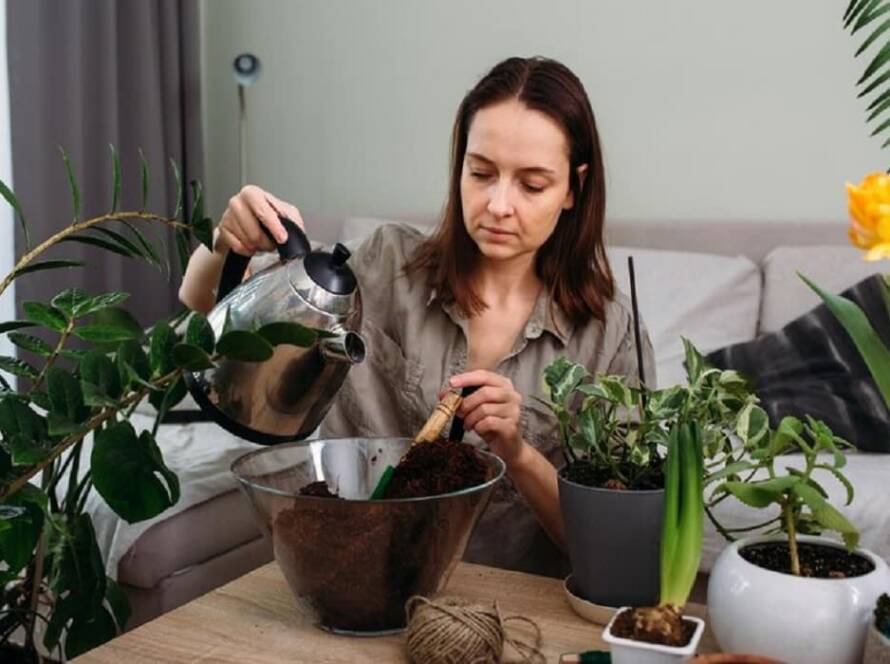
Mix garden soil with organic compost, coco peat, and sand in equal parts. This combination ensures that your plants get proper nutrients and moisture without waterlogging.
You can also buy ready-to-use potting mix available in garden stores if you’re a beginner.
Tip: Add organic compost every 15–20 days to keep the soil fertile.
3. Select the Right Plants for Your Space
Choosing the right plants is crucial. Start with easy-to-grow varieties that suit your climate and space.
For sunny areas:
- Tomatoes, chillies, basil, marigold, hibiscus
For shaded or indoor spaces:
- Money plant, aloe vera, ferns, peace lily, snake plant
Tip: Always check the plant’s sunlight and watering requirements before buying.
4. Water Your Plants the Right Way
One of the most common mistakes in home gardening is overwatering. Plants need water, but too much can cause root rot.
- Water early in the morning or late evening.
- Use a watering can for a gentle flow instead of pouring directly.
- Check the soil with your finger—if the top inch is dry, it’s time to water.
Tip: For busy schedules, install self-watering pots or a drip irrigation system for convenience.
5. Provide Proper Drainage
Good drainage prevents stagnation and fungal growth. Always ensure your pots have holes at the bottom for excess water to escape.
Place a layer of pebbles or small stones at the base before adding soil.
Tip: Avoid using saucers under pots unless you empty them regularly.
6. Use Organic Fertilizers and Compost
Organic gardening is the best way to grow healthy plants without harmful chemicals. Use kitchen waste compost, cow dung, or vermicompost to nourish your soil naturally.
You can make compost at home using vegetable peels, fruit scraps, dry leaves, and coffee grounds.
Tip: Composting not only improves soil health but also reduces household waste.
7. Control Pests Naturally
Pests like aphids, mealybugs, and whiteflies can harm your plants. Instead of using chemical pesticides, try natural remedies:
- Mix neem oil with water and spray it weekly.
- Use garlic or chilli spray as a natural repellent.
- Encourage ladybugs—they’re natural pest controllers!
Tip: Regularly inspect the undersides of leaves for pests. Early detection helps protect your plants.
8. Prune and Trim Regularly
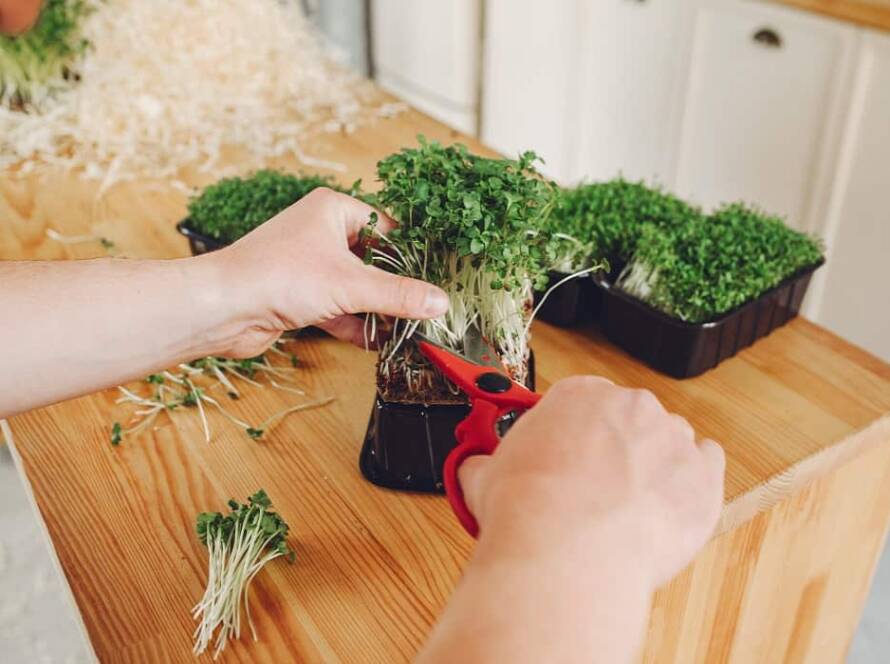
Pruning helps plants grow stronger and healthier. Remove dry leaves, dead flowers, and damaged branches regularly.
- It allows better air circulation.
- Encourages new growth and flowering.
Tip: Use clean, sharp scissors or pruning shears to avoid damaging the plant.
9. Reuse and Recycle for Gardening
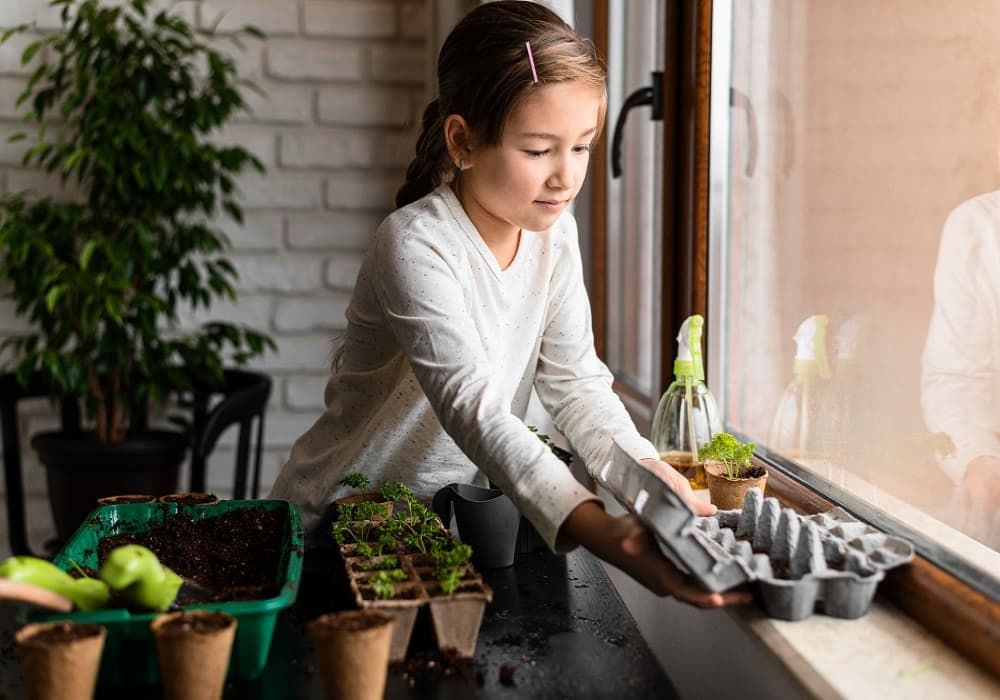
Gardening at home doesn’t need expensive materials. You can reuse plastic bottles, jars, buckets, and tins as plant pots.
- Cut bottles in half for seedlings.
- Use coconut shells or broken mugs as decorative planters.
Tip: This not only saves money but also promotes sustainable living.
10. Learn and Experiment
Every garden is unique. Keep experimenting with new plants and arrangements.
- Rotate seasonal crops—grow spinach, coriander, and mint in winter; okra and brinjal in summer.
- Join local gardening groups or online forums to learn from other gardeners.
Tip: Keep a gardening journal to track your plant growth and care routine.
Benefits of Gardening at Home
- Improves air quality: Plants purify indoor air naturally.
- Reduces stress: Gardening is a proven stress-buster and boosts mood.
- Provides organic produce: Grow fresh herbs and vegetables for your family.
- Enhances home décor: Adds beauty and freshness to your surroundings.
Frequently Asked Questions (FAQs)
1. What are the best plants for beginners in home gardening?
Some easy options include money plant, aloe vera, mint, tulsi, and marigold. These plants require minimal care and grow well in most Indian conditions.
2. How often should I water my plants at home?
It depends on the type of plant and season. Most plants need watering every 2–3 days, but always check soil moisture before watering.
3. Can I use kitchen waste as fertilizer?
Yes! You can compost fruit peels, vegetable scraps, tea leaves, and eggshells. Avoid cooked or oily food waste.
4. What’s the best time to start gardening at home in India?
You can start anytime, but spring and post-monsoon (September–November) are ideal for most plants.
5. How do I prevent pests in my home garden?
Use neem oil spray or garlic-chilli spray once a week. Keep your garden clean and remove dead leaves to avoid pest buildup.
6. Do I need special soil for balcony gardening?
Yes, use lightweight potting mix made from garden soil, coco peat, and compost for balcony or terrace gardens.
Conclusion
With these simple and effective tips for gardening at home, anyone can turn a small space into a beautiful green corner. Gardening not only adds charm to your home but also promotes a healthy lifestyle and a deeper connection with nature.