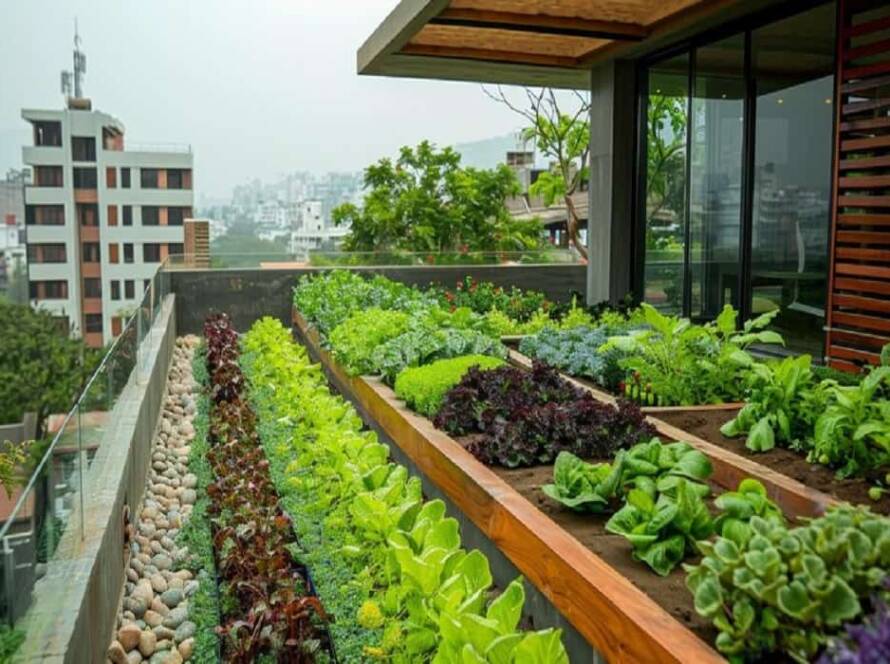

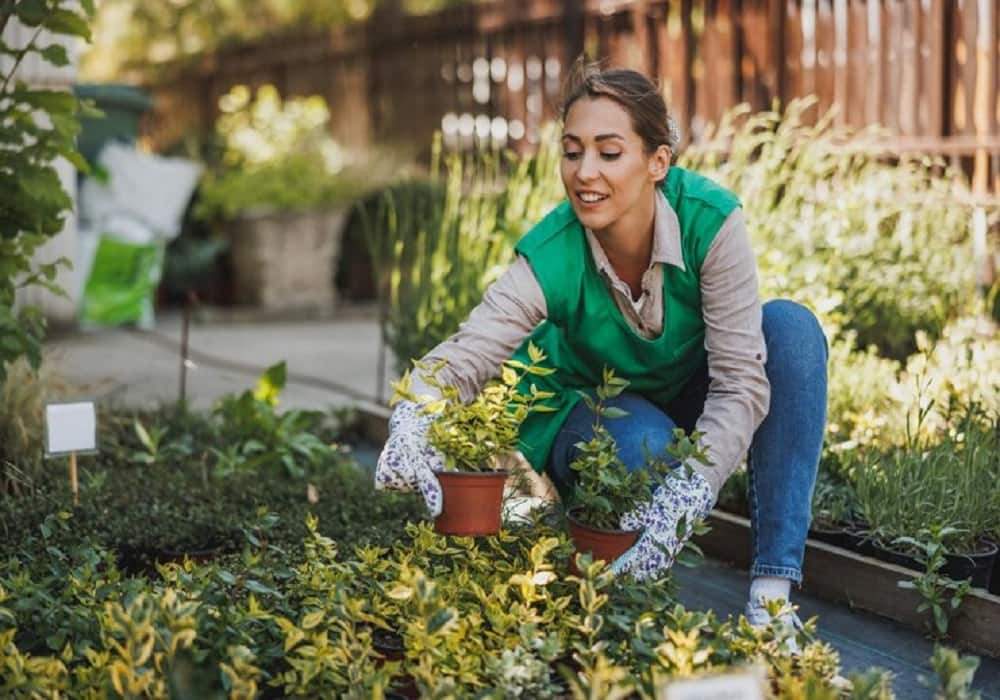
Creating a green space at home is one of the best ways to enjoy nature, reduce stress, and improve your surroundings. Whether you have a balcony, terrace, backyard, or just a sunny window, gardening can be simple and rewarding. Many people think gardening needs a lot of space or experience, but the truth is anyone can start with a few basic steps.
In this guide, we will share practical tips for gardening at home that help beginners grow healthy plants with confidence. These ideas are easy to follow and suitable for Indian homes as well.
Why Home Gardening is a Great Idea
Home gardening gives you fresh air, natural beauty, and a peaceful hobby. It can also provide herbs, flowers, and vegetables for daily use. Watching plants grow brings happiness and a sense of achievement.
Another major benefit is better mental health. Spending time with plants can reduce stress and help you feel calm. That is why more families are choosing gardening as part of a healthy lifestyle.
When you follow the right tips for gardening at home, even small spaces can become beautiful green corners.
Choose the Right Space for Plants
The first step is selecting a suitable place. Most plants need sunlight, fresh air, and enough room to grow. A balcony, terrace, courtyard, or sunny window can work well.
Observe how much sunlight your chosen spot gets during the day. Some plants need full sun, while others prefer partial shade. If your area gets limited sunlight, choose shade-loving plants.
Choosing the right location is one of the most important tips for gardening at home because it directly affects plant growth.
Start with Easy Plants
Beginners should always begin with low-maintenance plants. This helps build confidence and makes gardening enjoyable.
Good beginner plants include:
- Money plant
- Tulsi
- Aloe vera
- Mint
- Snake plant
- Marigold
- Chili plant
These plants are hardy and adapt well in many home environments. Starting simple is one of the smartest tips for gardening at home.
Use Good Quality Soil
Healthy plants begin with healthy soil. Soil should be loose, nutrient-rich, and able to drain excess water properly.
You can prepare a simple potting mix using garden soil, compost, and cocopeat. Compost adds nutrients, while cocopeat helps retain moisture.
Avoid using hard soil that becomes compact. Roots need space to breathe and grow. Using quality soil is one of the best tips for gardening at home for long-term success.
Water Plants Correctly
Watering mistakes are common for beginners. Too much water can rot roots, while too little water can dry the plant.
Check the top layer of soil before watering. If it feels dry, water the plant. If it still feels moist, wait a little longer.
The best time to water is early morning or evening. This reduces water loss in heat and helps roots absorb moisture better.
Balanced watering is among the most useful tips for gardening at home.
Give Proper Sunlight
Sunlight is food for plants. Without enough light, plants may become weak, pale, or stop growing.
Flowering and vegetable plants usually need more sunlight. Indoor foliage plants often need indirect light.
Rotate pots every few days if one side gets more light than the other. This helps plants grow evenly. Proper sunlight management is one of the most effective tips for gardening at home.
Feed Plants with Natural Fertilizers
Plants need nutrients regularly. Instead of relying only on chemical fertilizers, try natural options like compost, vermicompost, banana peel compost, or cow dung manure.
Natural fertilizers improve soil health and are safer for edible plants. Feed plants every few weeks depending on the plant type.
Using organic nutrition is one of the healthiest tips for gardening at home.
Keep Pots Clean and Well Drained
Always use pots with drainage holes. This prevents water from collecting at the bottom and damaging roots.
Clean dry leaves, weeds, and fallen waste from pots regularly. A clean growing area reduces pests and diseases.
Good drainage and hygiene are practical tips for gardening at home that many people ignore.
Protect Plants from Pests Naturally
Small insects, fungus, and leaf damage are common in home gardens. Do not panic. Most problems can be controlled naturally.
Use neem oil spray, soap water spray, or remove infected leaves by hand. Keep enough space between plants for airflow.
Check leaves weekly so you can solve problems early. Pest control is one of the ongoing tips for gardening at home every gardener should learn.
Prune and Repot When Needed
Pruning means removing dead leaves, dry branches, or weak growth. This helps the plant focus energy on healthy growth.
Repot plants when roots outgrow the container or growth slows down. Move them into a slightly larger pot with fresh soil.
Regular maintenance like pruning and repotting is among the smartest tips for gardening at home.
Grow Seasonal Plants
Plants grow better when matched with the season.
Summer
- Okra
- Chili
- Basil
Monsoon
- Spinach
- Coriander
- Mint
Winter
- Carrot
- Peas
- Cabbage
Growing according to season improves results and reduces effort. Seasonal planning is one of the easiest tips for gardening at home.
Be Patient and Consistent
Plants need time. Seeds do not grow overnight, and some plants take weeks or months to show progress.
Spend a few minutes daily checking moisture, leaves, and sunlight. Consistency matters more than doing too much once.
Patience is perhaps the most valuable of all tips for gardening at home.
Common Mistakes to Avoid
Many beginners fail because of a few avoidable mistakes:
- Overwatering plants
- Using poor soil
- Keeping plants in dark corners
- Ignoring pests too long
- Planting too many pots at once
- Expecting instant growth
Avoiding these errors makes gardening smoother and more enjoyable.
Conclusion
Home gardening is a beautiful habit that brings freshness, peace, and health into daily life. You do not need a large space or expert knowledge to begin. With the right tips for gardening at home, anyone can grow healthy plants and enjoy the joy of nature at home.
Start with a few easy plants, care for them regularly, and grow your skills step by step. If you also want to grow fresh food naturally, explore plants for kitchen garden in india and turn your home into a productive green space.
FAQs
1. What are the best tips for gardening at home for beginners?
Start with easy plants, use good soil, give proper sunlight, and avoid overwatering.
2. Can I do gardening in a small apartment?
Yes, balconies, windows, and vertical spaces are great for home gardening.
3. How often should I water home garden plants?
Water when the top soil feels dry. Frequency depends on weather and plant type.
4. Is sunlight necessary for all plants?
Most plants need light, but some indoor plants grow well in indirect sunlight.
5. How can I protect plants from pests naturally?
Use neem oil spray, keep pots clean, and remove damaged leaves early.