
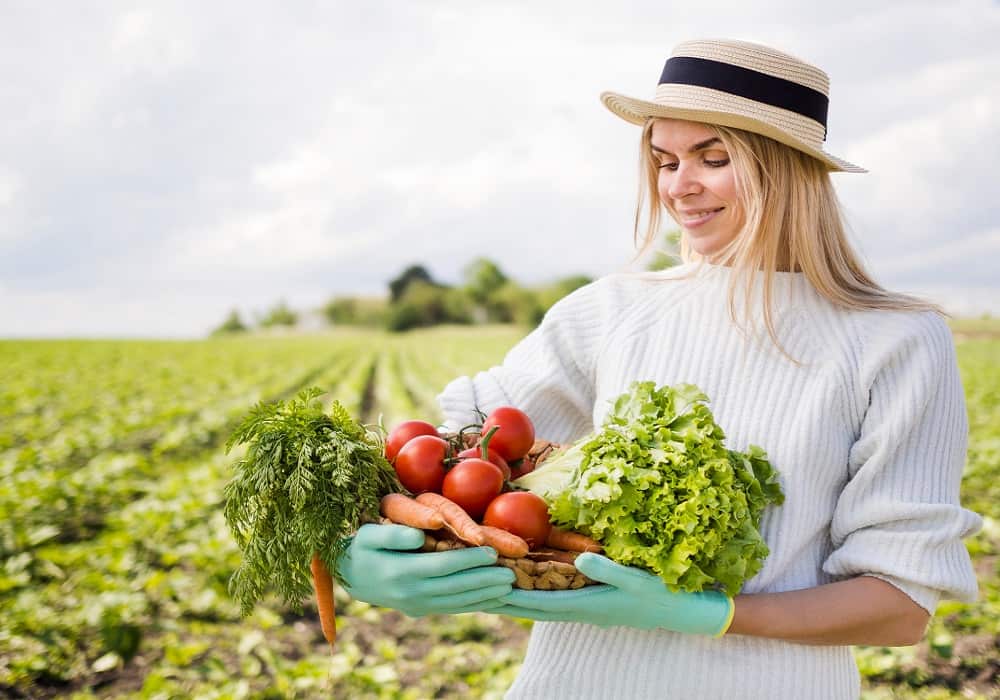
Growing your own food at home is one of the most rewarding habits you can build. It is healthy, budget-friendly, and also gives a fresh taste that store-bought vegetables often cannot match. With the right vegetable garden plants, even a small space like a balcony, terrace, or backyard can turn into a green food source.
In this blog, we will explore easy vegetable plants you can grow at home, how to take care of them, and simple tips to help your garden stay healthy and productive.
Why Grow Vegetable Garden Plants at Home
Home gardening is becoming popular in many households because it offers fresh and chemical-free food. When you grow your own vegetables, you know exactly what goes into your soil and plants.
Another big benefit is freshness. Vegetables picked from your garden are more nutritious and taste better. Also, growing vegetable garden plants reduces your grocery expenses and supports a more sustainable lifestyle.
It also brings a peaceful feeling. Gardening reduces stress and helps you connect with nature in your daily life.
Best Vegetable Garden Plants for Beginners
If you are new to gardening, start with easy-to-grow plants. These require less care and grow quickly.
Tomatoes are one of the most popular choices. They grow well in pots and need sunlight and regular watering. Spinach is another great option because it grows fast and can be harvested multiple times.
Chilies, coriander, and mint are also excellent vegetable garden plants for beginners. They do not need much space and can grow even in small containers.
Radishes and beans are also easy to grow and give quick results, making them perfect for first-time gardeners.
How to Choose the Right Plants for Your Space
You must comprehend your place before planting. If you have a balcony or small terrace, go for plants that grow well in pots.
If you have a backyard, you can grow larger crops like brinjal, bottle gourd, or okra. Sunlight is also very important. Most vegetable garden plants need at least 4 to 6 hours of sunlight daily.
Soil quality matters too. Use nutrient-rich soil with proper drainage to help your plants grow strong and healthy.
Basic Care Tips for Healthy Growth
Watering is one of the most important parts of gardening. Make sure your plants get enough water but avoid overwatering. Too much water can damage roots.
Use organic fertilizers like compost or kitchen waste to feed your plants naturally. This improves soil quality and keeps your vegetables healthy.
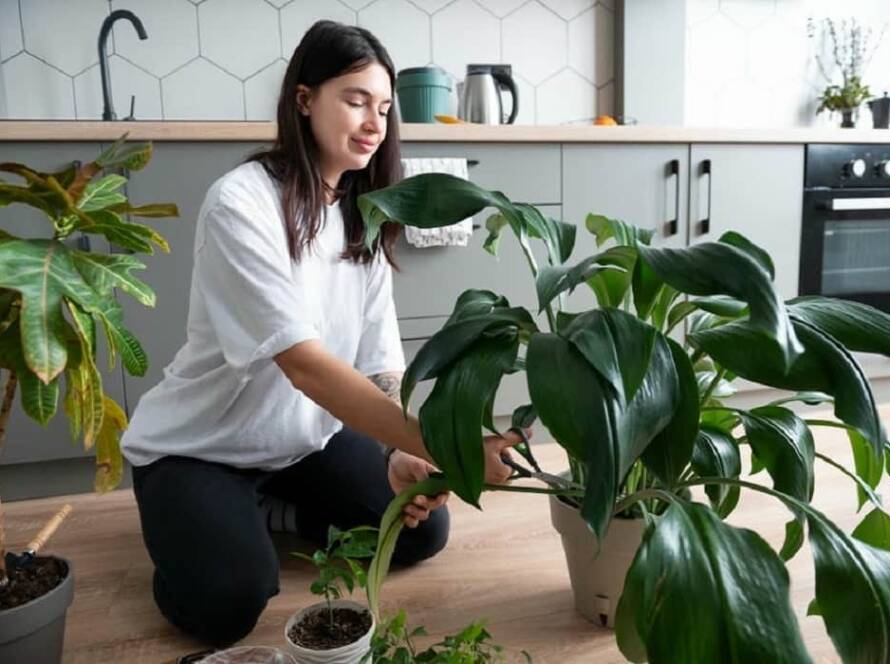
Regular pruning is also helpful. Removing dry leaves helps plants grow better and stay disease-free.
These simple habits can make your vegetable garden plants grow faster and healthier.
Common Vegetable Garden Plants You Can Grow Year-Round
Some vegetables grow well in almost every season. These are perfect for home gardening.
Spinach and fenugreek are leafy greens that grow quickly and can be harvested multiple times. Tomatoes and chilies also grow well in most climates.
Coriander is another easy plant that adds freshness to your cooking. These vegetable garden plants are ideal for continuous home use.
Carrots and radishes are also good seasonal choices depending on your weather conditions.
Benefits of Growing Vegetable Garden Plants
One of the biggest benefits is health. Fresh vegetables are rich in nutrients and free from harmful chemicals.
It also helps you save money on groceries. Instead of buying vegetables every day, you can simply harvest them from your garden.
Gardening also improves mental health. Spending time with plants reduces stress and brings positivity to your daily routine.
Growing vegetable garden plants also teaches patience and responsibility, especially for children.
How to Start a Small Home Vegetable Garden
Starting is very simple. Expensive tools and a vast area are not necessary. Begin with a few pots or containers.
Fill them with good soil and plant easy vegetables like tomatoes, spinach, or mint. Place them where they can get enough sunlight.
Water them regularly and observe their growth. As you gain experience, you can expand your garden with more vegetable garden plants.
Organic Gardening for Better Results
Organic gardening means avoiding chemical fertilizers and pesticides. Instead, use natural compost, cow dung, or kitchen waste.
This keeps your vegetables safe and healthy for consumption. Organic methods also improve soil fertility over time.
Healthy soil leads to stronger plants and better harvest. This is one of the most important secrets of successful vegetable garden plants.
Common Mistakes to Avoid
Many beginners make mistakes like overwatering or using poor soil. Another common mistake is planting too many crops in a small space.
Lack of sunlight can also slow down plant growth. Always make sure your plants get enough light and air circulation.
Avoid ignoring pests. Regularly check your plants and take action early if you notice any damage.
Conclusion
Growing your own vegetables is a simple and rewarding way to improve your lifestyle. With the right care and knowledge, anyone can grow healthy and fresh food at home.
Choosing the right vegetable garden plants helps you start small and grow successfully over time. Whether you have a balcony or a backyard, you can always create your own green space.
If you want more practical guidance, you can explore tips for gardening at home to improve your results and make your garden even better.
FAQs
1. What are the easiest vegetable garden plants to grow at home
Tomatoes, spinach, mint, coriander, and chilies are some of the easiest plants for beginners.
2. Can I grow vegetable plants in pots
Yes, many vegetable garden plants grow well in pots, especially in small spaces like balconies.
3. How much sunlight do vegetable plants need
For good growth, most veggies require four to six hours of sunlight per day.
4. What is the best soil for vegetable gardening
Well-drained, nutrient-rich soil mixed with organic compost is best for vegetable plants.
5. How often should I water vegetable garden plants
Water them regularly but avoid overwatering. Check soil moisture before watering.