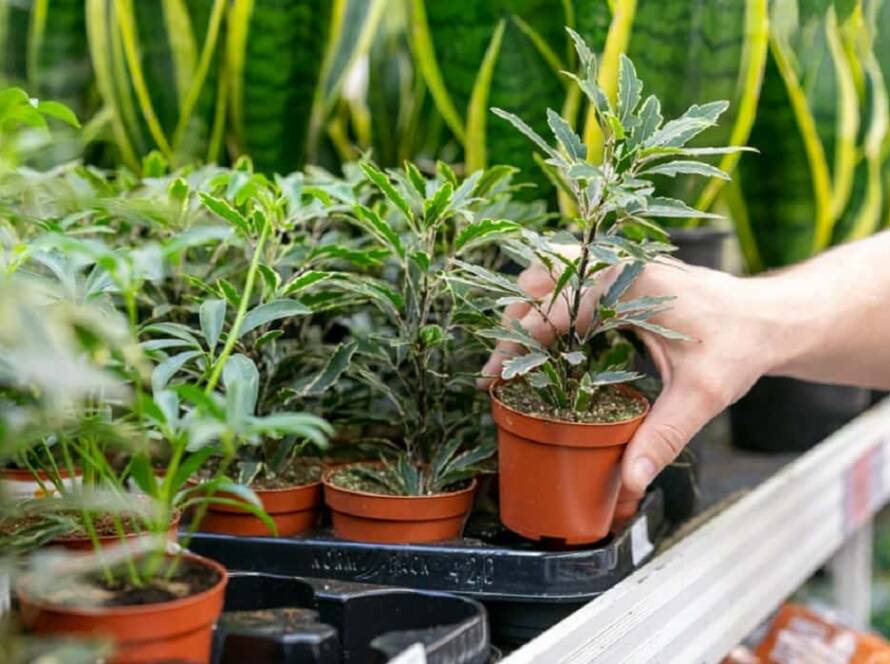


Imagine stepping onto your terrace and picking fresh tomatoes, green chillies, or coriander for your next meal. A rooftop garden can make this possible, even if you live in a city and do not have a backyard. With suitable containers, healthy soil, and a little planning, your unused terrace can become a productive growing space.
These terrace vegetable garden ideas in India are designed for different budgets, spaces, and gardening experience levels. Whether you have a compact rooftop or a large open terrace, you can create a garden that suits your home and local climate.
20 Terrace Vegetable Garden Ideas to Try
1. Start With Simple Grow Bags
Grow bags are convenient for beginners because they are available in different sizes and are easy to arrange. Use them for tomatoes, chillies, spinach, and other vegetables suited to your climate.
2. Create a Vertical Vegetable Garden
Use sturdy vertical planters or wall-mounted containers for herbs and compact leafy vegetables. Secure every planter properly and make sure water does not damage the terrace wall.
3. Grow Vegetables in Raised Beds
Raised beds provide a dedicated growing area and make planting and harvesting more comfortable. Before installing them, check that the terrace can safely support their combined weight.
4. Keep a Fresh Herb Corner
Reserve one section for coriander, mint, methi, and other commonly used herbs. Smaller pots let you harvest only what you need for daily cooking.
5. Use Large Pots for Tomatoes
Tomatoes can grow well in suitable containers when they receive enough sunlight, nutrients, and support. Choose varieties appropriate for container growing and provide a stake or cage when needed.
6. Add Green Chillies to Your Collection
Green chilli plants are useful for Indian kitchens and can grow in medium-sized pots. Place them in a sunny spot and avoid keeping their roots constantly waterlogged.
7. Try a Leafy Vegetable Bed
Dedicate a wide planter to spinach, amaranth, or methi during the right growing season. Sow small batches at intervals to spread out your harvest.
8. Grow Cucumbers on a Trellis
Climbing cucumber varieties can make good use of vertical space. Use a large container, provide strong support, and guide the growing vines gently along the trellis.
9. Make Space for Okra
Okra, commonly called bhindi, is a useful choice for a sunny rooftop during suitable warm weather. Give each plant enough room and harvest pods while they are tender.
10. Plant Radishes in Deep Containers
Radishes suit cooler growing periods in many parts of India. Choose containers deep enough for the variety and use loose soil so the roots can develop properly.
11. Build a Recycled Container Garden
Clean, suitable buckets and other reusable containers can help reduce setup costs. Add proper drainage holes and avoid containers that previously held harmful chemicals.
12. Arrange Pots on a Plant Stand
A sturdy tiered stand can organise several small pots without spreading them across the entire terrace. Place taller plants where they will not unnecessarily shade shorter crops.
13. Create a Family Kitchen Garden
Assign a few containers to vegetables that your household uses regularly. Growing familiar ingredients can make harvesting easier and help children learn about plant care.
14. Grow Seasonal Vegetables
Plan your garden around local temperatures instead of planting every crop throughout the year. Methi, spinach, and radish often suit cooler periods, while okra can suit warmer conditions.
15. Set Up a Composting Corner
If you have enough space, use a suitable compost bin to turn plant-based kitchen scraps into compost. Keep it covered and manage moisture properly to discourage pests and unpleasant smells.
16. Install Simple Drip Irrigation
A small drip system can deliver water directly to the growing medium and reduce daily watering work. Check the outlets regularly to ensure each container receives enough water.
17. Create a Budget-Friendly Rooftop Garden
Begin with a few pots, basic gardening tools, compost, and easy-to-grow seeds. Add more containers gradually instead of buying everything at once.
18. Keep Walking Paths Clear
Arrange your terrace vegetable garden so you can reach each pot without stepping over hoses or containers. Clear paths make watering, pruning, and harvesting safer and easier.
19. Protect Plants From Harsh Weather
In hot regions, protect sensitive plants from intense afternoon sun when needed. During heavy rain or strong winds, check drainage, secure supports, and move vulnerable containers to a safer location.
20. Combine Vegetables With Flowering Plants
Add suitable flowering plants near your vegetable pots to make the terrace more colourful. Choose varieties that suit your climate and avoid overcrowding crops that need plenty of sunlight.
Tips for Growing Vegetables on a Terrace
Successful growing vegetables on terrace spaces starts with checking the basics. Make sure your roof can safely support the garden, containers, soil, and water. Use lightweight growing arrangements where suitable, and keep drainage outlets clear.
Choose vegetables according to the sunlight available, use a well-draining potting mix, and check soil moisture before watering. Containers can dry quickly in summer but may remain wet longer during cooler or rainy periods.
For more ideas on caring for plants indoors in hot and dry conditions, read our guide to tips for indoor gardening in Rajasthan.
Frequently Asked Questions
1. Which vegetables are best for a terrace garden in India?
Tomatoes, green chillies, spinach, methi, coriander, radish, and okra are useful options. The best choices depend on local weather, sunlight, and container size.
2. Can I create a terrace vegetable garden on a budget?
Yes. Start with a few containers, suitable seeds, and a good growing mix. Reuse safe containers where possible and expand as you gain experience.
3. How much sunlight does a terrace vegetable garden need?
Many fruiting vegetables need several hours of direct sunlight each day. Leafy vegetables may tolerate some shade, depending on the variety and weather.
4. How often should I water rooftop vegetables?
Check the soil before watering. Requirements change with plant type, container size, temperature, and rainfall, so a fixed daily schedule will not suit every pot.
5. What are the main benefits of rooftop vegetable gardening?
A terrace garden can provide fresh produce, make better use of available space, and offer an enjoyable gardening activity at home.
Conclusion
A productive terrace does not need to be filled with expensive equipment or dozens of plants. Begin with a few vegetables your family enjoys, arrange your containers carefully, and learn which crops grow best in your local conditions. With regular care and seasonal planning, your terrace vegetable garden can become a practical and rewarding part of your home.