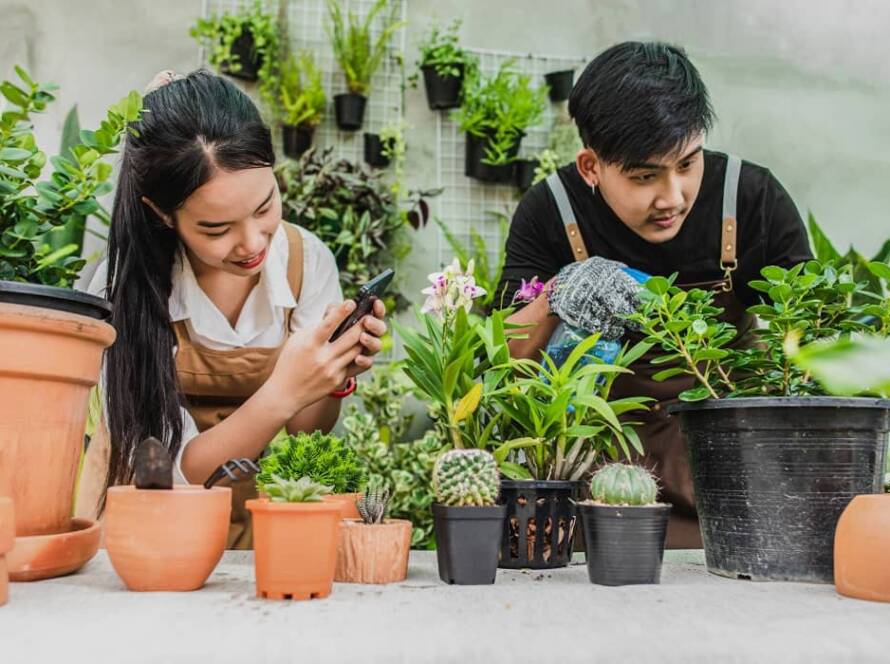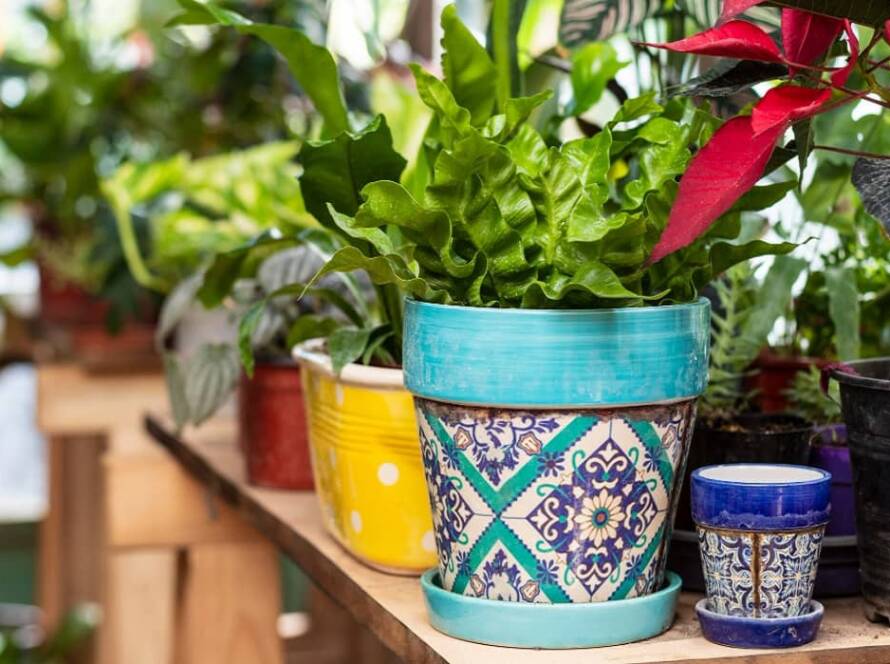

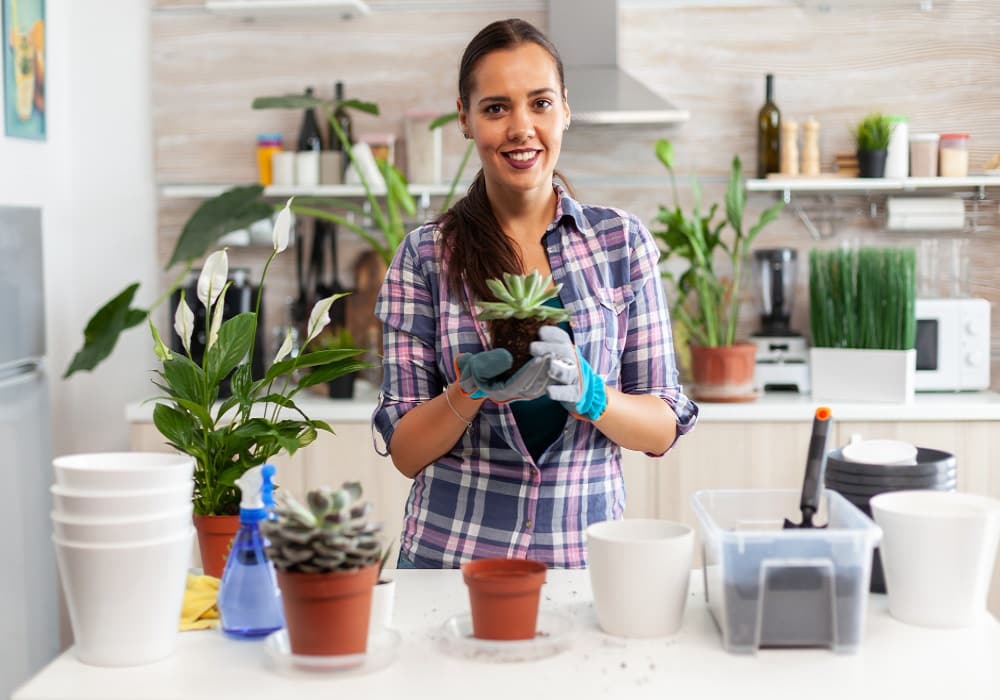
Home gardening has become more than just a hobby. For many families, it is a relaxing way to stay connected with nature while growing fresh plants, flowers, and vegetables at home. Whether you have a balcony, terrace, or small backyard, gardening can turn any space into a peaceful green corner.
Many beginners feel confused about where to start. They often buy plants with excitement but struggle to keep them healthy. The good news is that successful gardening does not require expensive tools or expert knowledge. By following the right tips for gardening at home, anyone can grow a healthy and beautiful garden with confidence.
Choose the Right Location for Your Plants
One of the most important steps in home gardening is selecting the right place for your plants. Different plants need different amounts of sunlight. Most vegetables and flowering plants grow best when they receive at least 5 to 6 hours of sunlight daily.
Before buying plants, observe your balcony, terrace, or garden area for a few days. Notice where sunlight stays the longest. Leafy vegetables like spinach and coriander can grow in partial sunlight, while tomatoes and chilies need more direct light.
Good airflow is also important. Plants kept in closed corners may attract fungus or pests more easily. A well-ventilated area helps plants stay healthy and fresh.
Start Small Instead of Growing Too Much
Many beginners make the mistake of planting too many things at once. This often becomes difficult to manage later. A small garden is easier to care for and helps you learn gradually.
Start with low-maintenance plants like mint, tulsi, aloe vera, money plant, or marigold. These plants grow well in Indian weather and require less attention. Once you gain confidence, you can slowly add vegetables and flowering plants.
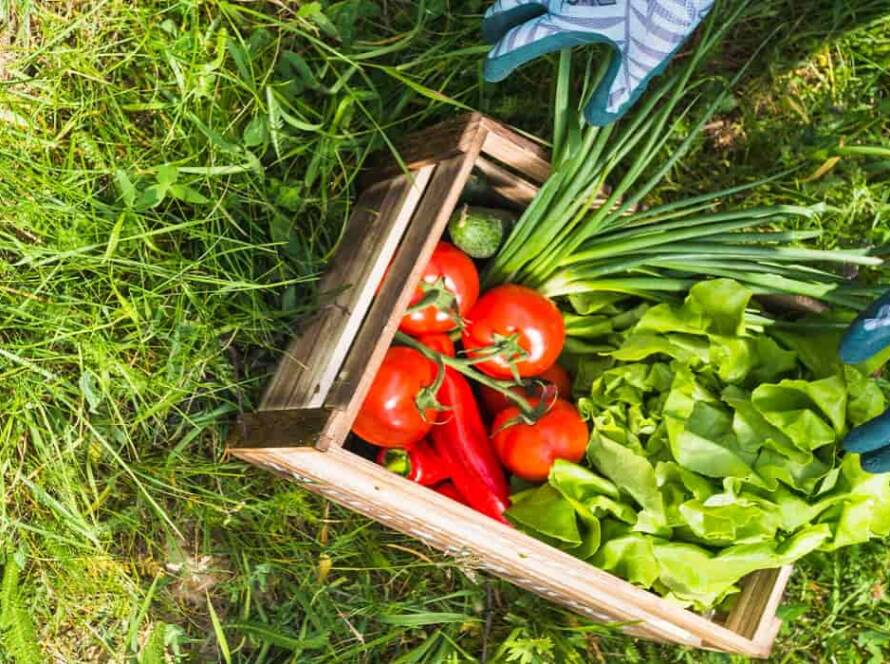
If you are interested in growing your own food, you can also explore kitchen garden vegetables in india such as tomatoes, green chilies, spinach, brinjal, and okra. These vegetables are beginner-friendly and grow successfully in containers.
Use Good Quality Soil and Natural Compost
Healthy soil is the foundation of a successful garden. Plants get nutrients, water, and support from the soil, so using the right soil mixture is very important.
A good potting mix should feel soft, loose, and well-drained. Avoid using heavy garden soil directly in pots because it may block water flow. Instead, mix normal soil with cocopeat and organic compost for better results.
Natural compost made from kitchen waste can also improve plant growth. Fruit peels, vegetable scraps, tea leaves, and dry leaves can be turned into homemade compost. This not only saves money but also reduces household waste.
One of the best tips for gardening at home is to feed plants naturally instead of depending too much on chemical fertilizers.
Water Plants the Right Way
Although watering might seem easy, one of the main causes of plant death is overwatering. Many novices water their plants daily without inspecting the soil.
Touching the earth before watering is the best approach. Water the plant if the top layer seems dry. During summer, plants may need more water, while in winter, watering frequency should be lower.
Since the soil remains moist for a longer period of time in the morning, this is typically the optimum time to water plants. Avoid watering during the hottest part of the day because water evaporates quickly.
Also, make sure pots have drainage holes. Excess water should flow out easily to prevent root damage.
Pick Easy Plants for Beginners
Choosing beginner-friendly plants can make gardening more enjoyable and less stressful. Some plants naturally grow faster and require minimal care.
Here are a few easy plants for Indian homes:
- Tulsi
- Mint
- Snake plant
- Aloe vera
- Curry leaves
- Marigold
- Tomato
- Chili
These plants can survive in different weather conditions and are suitable for small spaces. For novices with little indoor sunshine, indoor plants like pothos and peace lilies are also excellent choices.
Beginning with simple plants boosts self-esteem and inspires regular gardening.
Protect Plants from Pests Naturally
Pests are common in every garden, but they can be controlled naturally without harsh chemicals. Small insects like aphids, mealybugs, and caterpillars often damage leaves and stems.
One simple solution is neem oil spray. Mixing neem oil with water and spraying it once a week can help protect plants naturally. Garlic spray and soap water solutions are also useful for controlling pests.
Keep checking leaves regularly, especially the underside, because insects usually hide there. Removing damaged leaves early can stop pests from spreading.
Healthy plants are naturally stronger against diseases. That is why proper sunlight, good soil, and balanced watering are very important.
Be Patient and Enjoy the Gardening Journey
Gardening teaches patience. Plants take time to grow, and every gardener learns through experience. Sometimes plants may dry out, leaves may turn yellow, or seeds may not sprout. This is completely normal for beginners.
Instead of feeling disappointed, treat every mistake as a learning opportunity. Even experienced gardeners continue learning new things every season.
Spend a few minutes daily with your plants. Water them, clean dry leaves, and observe their growth. Gardening is not only good for plants but also helps reduce stress and improve mental peace.
The joy of seeing a new flower bloom or harvesting your first tomato is truly special.
Conclusion
Creating a home garden is easier than many people think. With the right tips for gardening at home, beginners can successfully grow healthy plants even in small spaces. Start small, choose the right plants, use healthy soil, and care for your garden regularly.
Gardening is not about perfection. It is about enjoying the process and building a deeper connection with nature. With patience and consistency, your small garden can become a beautiful green space filled with life and freshness.
FAQs
1. What are the best tips for gardening at home for beginners?
Start with easy plants, use good soil, provide proper sunlight, and avoid overwatering. Begin with a small garden and learn gradually.
2. Which vegetables are easiest to grow at home in India?
Tomatoes, spinach, chilies, coriander, mint, and okra are among the easiest vegetables for beginners in India.
3. How often should I water my plants?
Water plants only when the top layer of soil feels dry. Most plants do not need watering every day.
4. Can I grow plants on a balcony?
Yes, many vegetables, herbs, and flowering plants grow well on balconies if they receive enough sunlight.
5. Is compost necessary for home gardening?
Yes, compost improves soil quality and provides important nutrients that help plants grow healthier and faster.