
Starting a home garden is one of the best ways to enjoy fresh vegetables, fragrant herbs, and colorful flowers right outside your door. Whether you have a spacious backyard, a terrace, a balcony, or just a few pots near a sunny window, gardening is a rewarding hobby that brings you closer to nature. By following the right home gardening tips for beginners, you can grow healthy plants, save money on groceries, and enjoy chemical-free produce throughout the year.
If you are new to gardening, this guide will help you build a thriving garden with simple and practical techniques.
Why Start Home Gardening?
Home gardening offers much more than beautiful greenery. It improves air quality, reduces stress, encourages physical activity, and provides access to fresh, organic fruits and vegetables. Growing your own food also gives you complete control over the use of fertilizers and pesticides.
With a little patience and consistent care, even beginners can create a productive garden at home.
Choose the Right Location
One of the most important home gardening tips for beginners is selecting a suitable location. Most vegetables and flowering plants require at least 6 to 8 hours of sunlight every day.
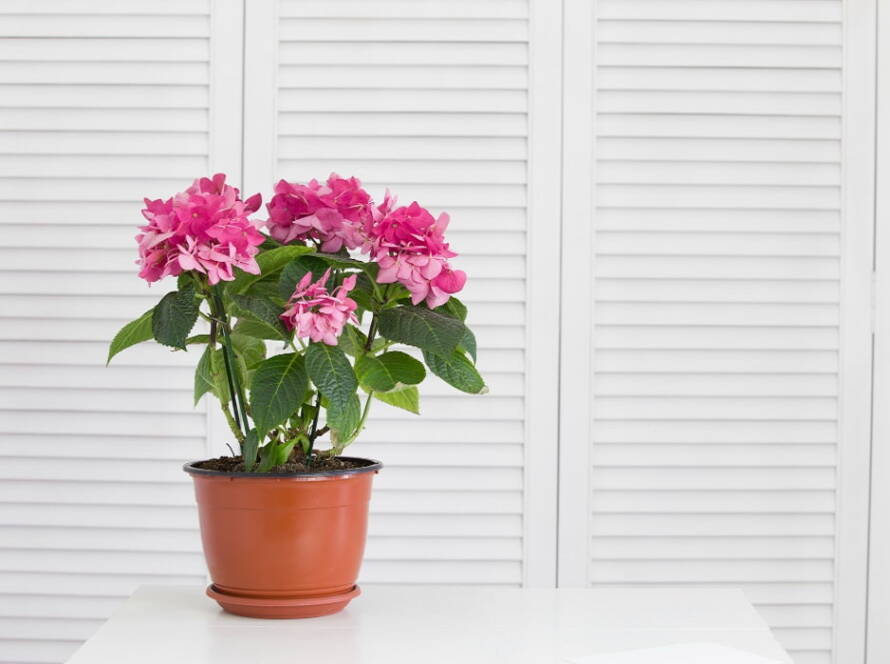
Before planting, observe your available space and choose an area that receives enough natural light. If you have limited space, balconies, terraces, or windowsills can also support healthy plant growth with the right containers.
Start with Easy-to-Grow Plants
As a beginner, avoid choosing plants that require advanced care. Instead, start with varieties that grow quickly and need minimal maintenance.
Some beginner-friendly plants include:
- Coriander
- Mint
- Spinach
- Tomatoes
- Green chilies
- Fenugreek
- Lettuce
- Marigold
These plants help you gain confidence while learning the basics of gardening.
Use Good Quality Soil
Healthy soil is the foundation of a successful garden. A nutrient-rich, well-drained potting mix helps roots develop properly and improves plant growth.
A balanced soil mixture generally contains:
- Garden soil
- Organic compost
- Coco peat
- Sand for drainage
Adding compost regularly improves soil fertility and supports long-term plant health.
Select Suitable Containers
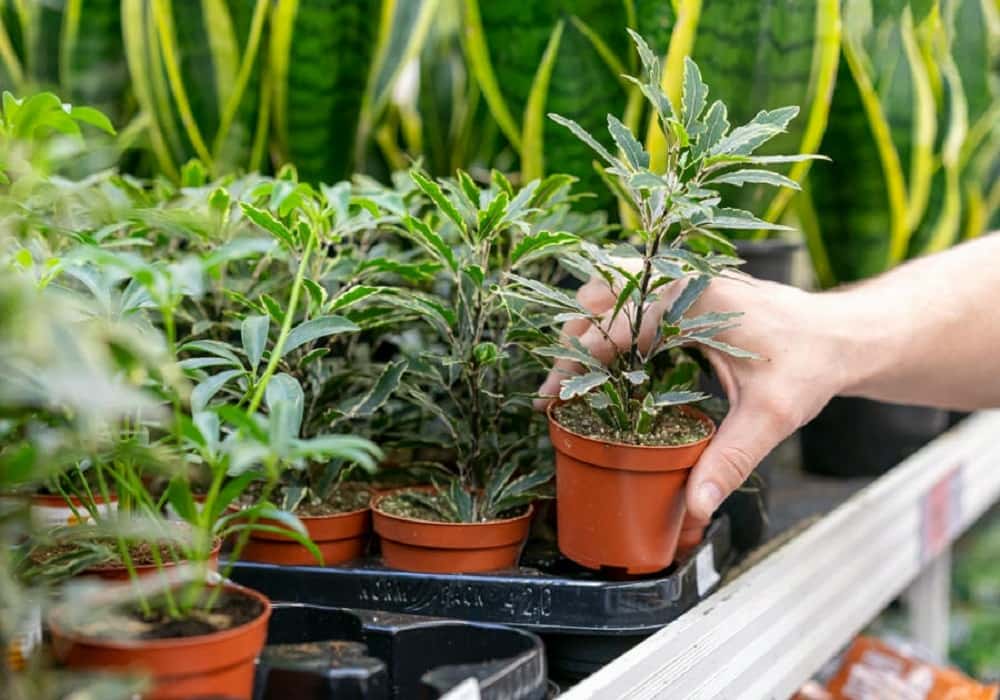
If you are gardening in limited spaces, containers are an excellent option. Ensure every pot has proper drainage holes to prevent waterlogging.
Choose container sizes according to plant requirements. Larger vegetables like tomatoes require deeper pots, while herbs can grow comfortably in smaller containers.
Water Plants Correctly
Proper watering is another essential part of home gardening tips for beginners. Both overwatering and underwatering can damage plants.
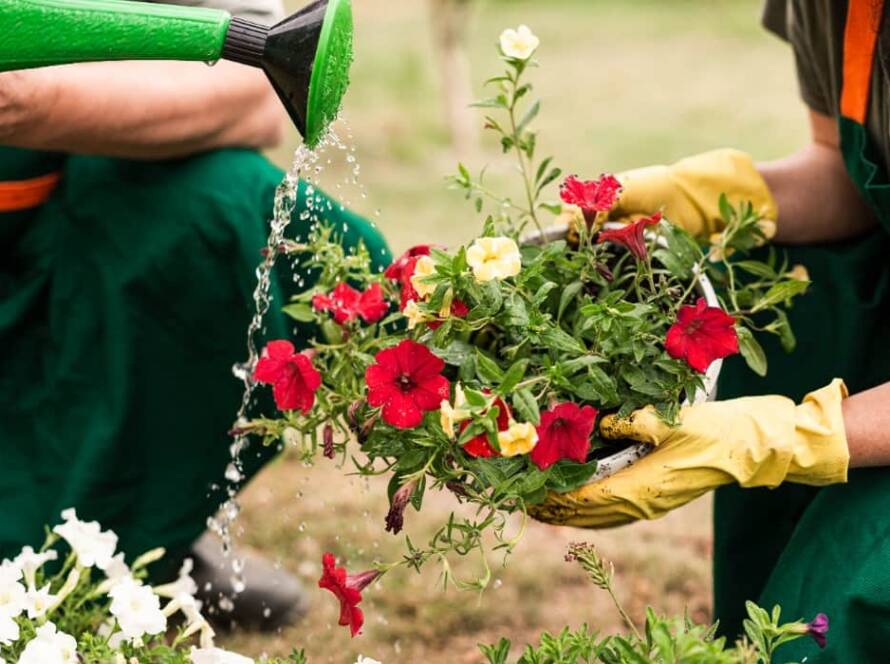
Water early in the morning or during the evening to reduce evaporation. Before watering, check whether the top layer of soil feels dry. Deep watering encourages stronger root development.
Feed Plants with Organic Fertilizers
Organic fertilizers improve plant growth naturally without harmful chemicals.
You can use:
- Vermicompost
- Homemade compost
- Cow manure
- Neem cake
- Banana peel fertilizer
- Eggshell powder
Applying organic fertilizers every few weeks keeps plants healthy and productive.
Protect Plants from Common Pests
Pests are common in home gardens, but they can often be managed naturally.
Simple pest control methods include:
- Spraying diluted neem oil
- Removing damaged leaves
- Keeping the garden clean
- Avoiding excess watering
- Encouraging beneficial insects like ladybugs
Regular inspection allows you to identify problems before they spread.
Learn Seasonal Gardening
Different plants perform better during different seasons. Growing seasonal vegetables increases productivity and reduces maintenance.
For example:
- Winter: Carrots, spinach, peas, cabbage
- Summer: Okra, cucumber, bottle gourd
- Rainy season: Beans, chilies, tomatoes
Planning your garden according to the season leads to healthier harvests.
Prune and Maintain Regularly
Remove yellow, dry, or diseased leaves regularly. Pruning encourages fresh growth, improves airflow, and helps plants focus their energy on producing flowers and fruits.
Clean gardening tools after use to reduce the spread of plant diseases.
Grow Your Own Fresh Vegetables
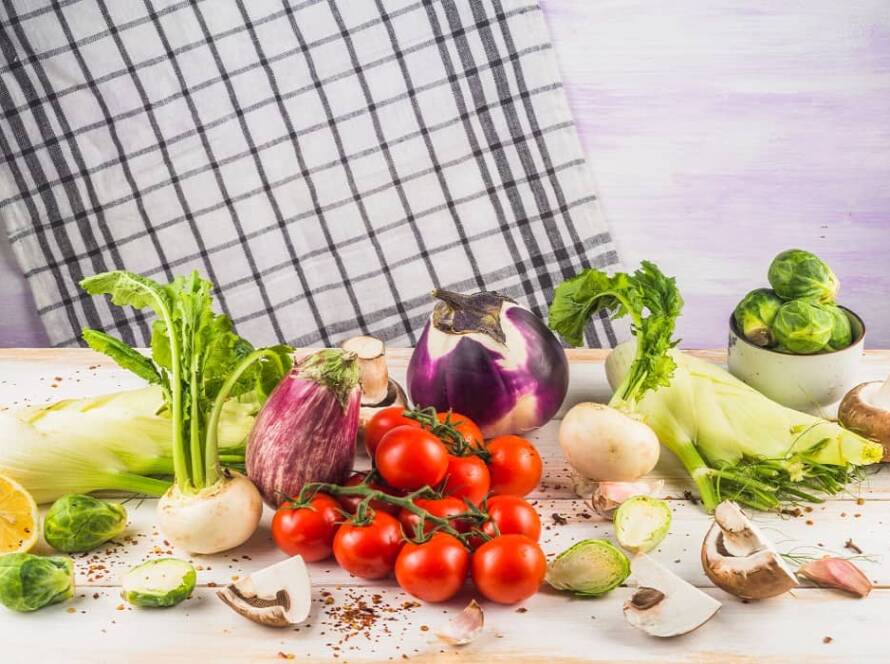
Once you become comfortable with the basics, you can expand your garden by adding more vegetable garden plants that suit your climate and available space. Growing a variety of vegetables ensures a continuous supply of fresh produce while making your gardening journey more enjoyable.
Be Patient and Keep Learning
Gardening is a continuous learning experience. Every season teaches something new, from understanding soil health to improving watering schedules and pest control techniques.
Don’t be discouraged if some plants fail initially. Even experienced gardeners learn through observation and practice. With consistency, your confidence and gardening skills will improve over time.
Conclusion
Following these home gardening tips for beginners can help you build a healthy and productive garden, regardless of the space available. Start with simple plants, use nutrient-rich soil, water wisely, and feed your plants with organic fertilizers. Regular care and patience will reward you with fresh vegetables, beautiful flowers, and a greener home.
Whether your goal is growing herbs on a balcony or creating a complete kitchen garden, every small step brings you closer to enjoying fresh and organic harvests throughout the year.
Frequently Asked Questions
1. What are the best home gardening tips for beginners?
Start with easy-to-grow plants, choose a sunny location, use quality soil, water properly, and feed plants with organic compost regularly.
2. Which vegetables are easiest for beginners to grow?
Tomatoes, spinach, coriander, mint, green chilies, lettuce, and fenugreek are among the easiest vegetables for new gardeners.
3. How often should I water my home garden?
Water only when the top inch of soil feels dry. Most plants prefer deep watering once the soil begins to dry rather than frequent shallow watering.
4. Can I start gardening without a backyard?
Yes. You can successfully grow vegetables, herbs, and flowers in containers on balconies, terraces, patios, or sunny windowsills.
5. What is the best fertilizer for home gardens?
Organic fertilizers such as vermicompost, compost, neem cake, and well-rotted cow manure are excellent choices for healthy plant growth.