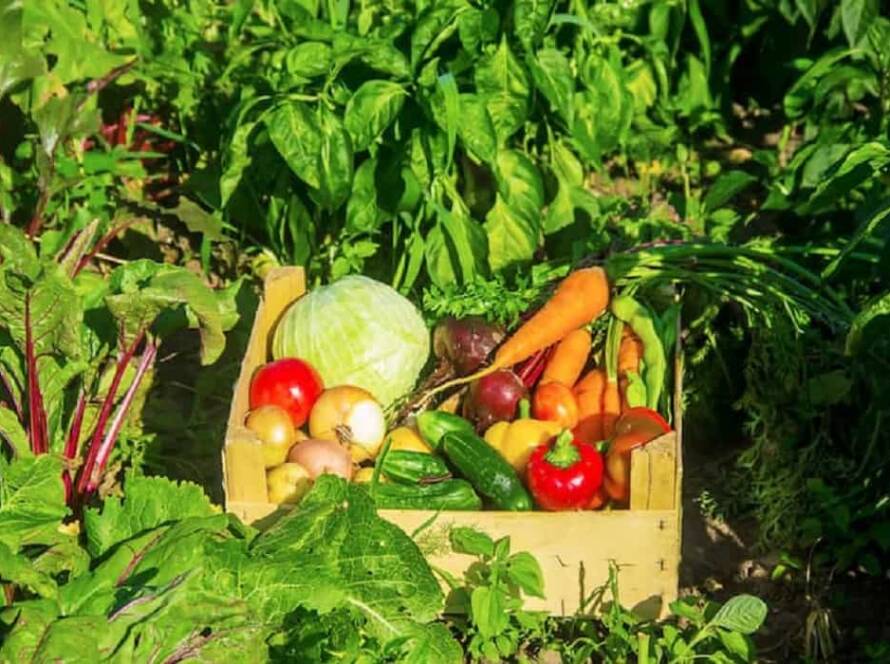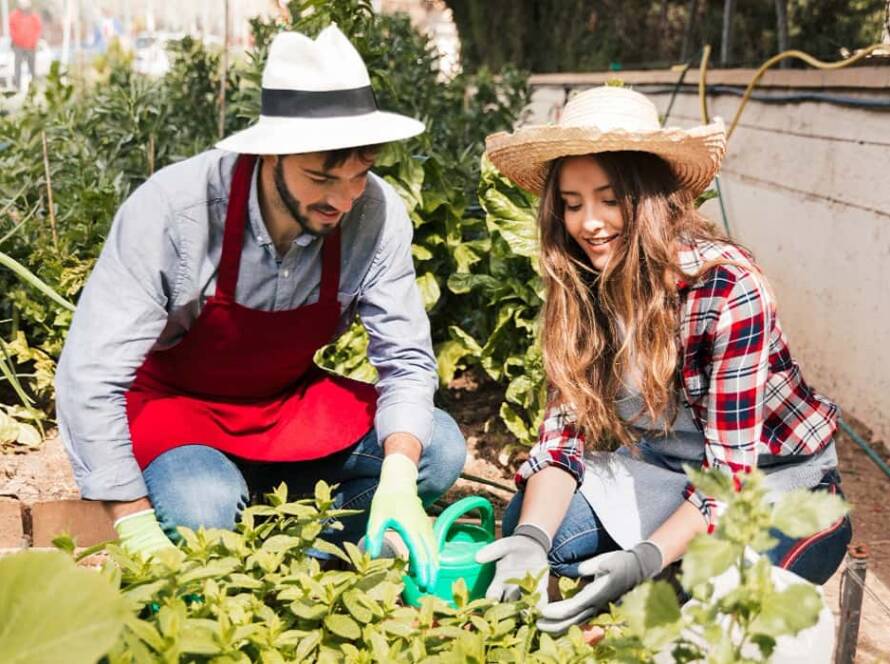

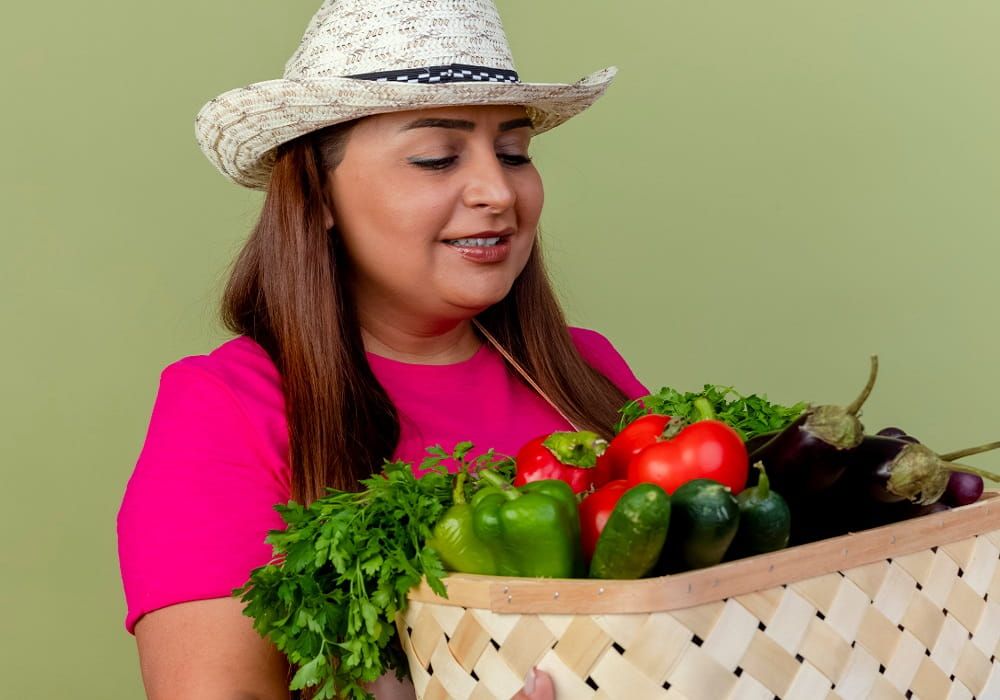
Growing vegetables at home is a rewarding way to enjoy fresh produce while spending more time around nature. You do not need a large backyard to start. A balcony, terrace, kitchen garden, or a few suitable containers can provide enough space for several quick-growing crops. Choosing the fastest growing vegetables at home in India can be especially encouraging for beginners because shorter harvest times let you see the results of your effort sooner.
India has varied climates, so vegetable growth depends on your location, season, sunlight, and growing method. With healthy soil, proper watering, and regular care, you can create a productive vegetable garden naturally and enjoy fresh harvests at home.
Choose Vegetables According to the Season
Seasonal planting is one of the easiest ways to encourage healthy growth. Vegetables perform best when temperature and growing conditions match their natural requirements.
Radish, spinach, fenugreek, coriander, and some leafy greens can provide relatively quick results under suitable conditions. Warm-season crops such as okra, beans, and some varieties of cucumber can also grow efficiently when planted at the right time.
Before planting, check which vegetables are suitable for your local climate and current season. This simple step can save time and improve your chances of a healthy harvest.
Start With Quality Seeds
Healthy seeds are the foundation of a productive vegetable garden. Choose fresh seeds from a reliable source and check the recommended growing season before sowing.
Seeds should be planted at an appropriate depth. Planting too deeply can make it difficult for seedlings to emerge, while planting too shallowly may leave them exposed.
For beginners, starting with a few easy vegetables is often better than planting many varieties at once. This allows you to understand each crop’s requirements and build confidence.
Use Healthy, Well-Draining Soil
Fast-growing vegetables need a growing medium that supports healthy root development. Heavy or compacted soil can restrict roots and hold too much moisture.
For containers, use a light potting mix that combines suitable soil with compost and materials that improve drainage. Well-prepared compost can add organic matter and support soil health.
Avoid excessive fertiliser. Healthy soil, suitable nutrients, and proper watering usually provide a better foundation than frequent feeding.
Give Plants Enough Sunlight
Most vegetables require good sunlight for strong growth. Before placing containers or preparing a garden bed, observe how much sunlight your space receives during the day.
Leafy vegetables may tolerate some shade, while many fruiting vegetables need several hours of direct sunlight. Keep taller plants from blocking light from smaller crops.
In very hot regions, sensitive plants may need protection from harsh afternoon sunlight. A little shade during extreme heat can help reduce stress without completely blocking light.
Water Consistently, Not Excessively
Watering is one of the most important parts of growing the fastest growing vegetables at home in India. Too little water can slow growth, while too much can create root problems.
Check the top layer of soil before watering. If it feels dry, water thoroughly and allow excess water to drain away. If the soil is still moist, wait before watering again.
Container plants may dry faster during hot weather, so check them more frequently. However, avoid following a fixed daily schedule without considering soil moisture.
Use Natural Organic Matter
Organic matter can improve soil structure and create a healthier environment for vegetable roots. Compost made from suitable kitchen and garden waste can be useful when it is properly prepared.
Add compost in moderate quantities and mix it into the growing medium as appropriate. Natural soil improvement works best as part of a balanced routine that includes proper sunlight and watering.
Provide Enough Space
Overcrowded plants compete for sunlight, water, nutrients, and airflow. This can slow growth and create conditions that encourage certain pest or disease problems.
Follow the recommended spacing for each vegetable. If you are using containers, choose a pot that provides enough room for the plant’s roots.
Vertical supports can be useful for crops such as beans and climbing vegetables. They help save floor space while keeping plants organised.
Keep an Eye on Pests
Regular observation can help you identify problems before they become serious. Check the underside of leaves, new shoots, and stems for signs of insects or damage.
Remove heavily affected leaves when appropriate and keep fallen plant material away from the growing area. Good airflow, proper spacing, and clean garden conditions can also support healthier plants.
Natural pest management methods can be considered when needed, depending on the type of pest and crop.
Harvest at the Right Time
Harvesting at the appropriate stage can encourage continued production in many vegetables. Leafy greens can often be harvested gradually, while vegetables such as radish and beans should be picked according to their recommended maturity.
Avoid leaving mature vegetables on the plant for too long when regular harvesting is recommended. Frequent harvesting can help maintain productivity for certain crops.
Growing a few quick crops together can also provide a more regular supply of fresh produce.
Make the Most of Small Spaces
You can grow quick vegetables even without a large garden. Pots, grow bags, raised containers, and vertical supports can help maximise available space.
Balconies and terraces can be used for leafy greens, herbs, chillies, radishes, and other suitable vegetables. For more inspiration, explore kitchen garden vegetables in india and choose crops that fit your space and local growing conditions.
Conclusion
Growing the fastest growing vegetables at home in India does not require complicated techniques. The right seasonal choices, healthy seeds, well-draining soil, suitable sunlight, careful watering, and regular observation can make home vegetable gardening much easier.
Start with a few quick-growing crops and learn how they respond to your local conditions. With patience and consistent care, even a small balcony or terrace can become a productive source of fresh, homegrown vegetables.
FAQs
1. Which are some of the fastest growing vegetables for home gardens in India?
Radish, spinach, fenugreek, coriander, and some leafy greens can provide relatively quick harvests under suitable conditions. Growth time depends on the variety, season, and climate.
2. Can fast-growing vegetables be grown in pots?
Yes. Many quick-growing vegetables can be grown successfully in containers as long as the pots have proper drainage, suitable soil, enough space, and adequate sunlight.
3. How can I make vegetables grow faster naturally?
Use healthy seeds, suitable seasonal crops, nutrient-rich soil, proper sunlight, consistent watering, and enough space. Avoid overcrowding and monitor plants regularly.
4. How often should I water a home vegetable garden?
Check the soil before watering. Water when the upper layer becomes dry and avoid keeping the soil continuously wet.
5. Is compost useful for growing vegetables?
Yes. Properly prepared compost adds organic matter and can improve soil structure. Use it in suitable amounts based on the plant and growing medium.