
Bringing greenery indoors is a simple way to make your home feel fresh, peaceful, and welcoming. For people living in Jaipur, indoor gardening can be especially useful because outdoor plants may face intense summer heat, dry winds, dust, and sudden weather changes. With the right approach, you can create a healthy indoor garden even in a small apartment or home.
These indoor gardening tips in jaipur can help beginners and experienced plant lovers choose suitable plants, provide proper care, and keep houseplants healthy throughout the year.
Choose Indoor Plants Suitable for Jaipur
The first step to successful indoor gardening is choosing plants that can adapt well to indoor conditions. Not every plant enjoys limited sunlight or air-conditioned environments.
Popular choices include Snake Plant, Money Plant, Spider Plant, Peace Lily, Aloe Vera, ZZ Plant, and Pothos. These plants are generally easy to care for and can work well in different indoor spaces.
Before buying a plant, consider its sunlight, watering, humidity, and space requirements. Choosing plants according to your home conditions is much better than selecting them only for their appearance.
Provide the Right Amount of Light
Light is one of the most important factors in indoor gardening. Even low-maintenance plants need some amount of natural or suitable artificial light to grow properly.
Place plants near windows where they can receive bright, indirect sunlight. Avoid keeping sensitive plants directly against a hot window during Jaipur’s summer months, as strong afternoon sunlight can scorch leaves.
If a room receives very little natural light, consider using a suitable grow light. Rotate your pots occasionally so different sides of the plant receive enough light and growth remains balanced.
Be Careful with Watering
Overwatering is one of the most common problems faced by indoor gardeners. During Jaipur’s hot weather, it may be tempting to water plants frequently, but the soil should be checked before every watering.
Insert your finger about an inch into the soil. If the top layer feels dry, the plant may need water. If it is still moist, wait before watering again.
Always use pots with drainage holes. Excess water should be able to escape easily because standing water around the roots can cause root rot and other problems.
Use a Good Potting Mix
Healthy roots need air, moisture, and nutrients. A heavy garden soil may not always be ideal for indoor pots because it can retain too much water and become compacted.
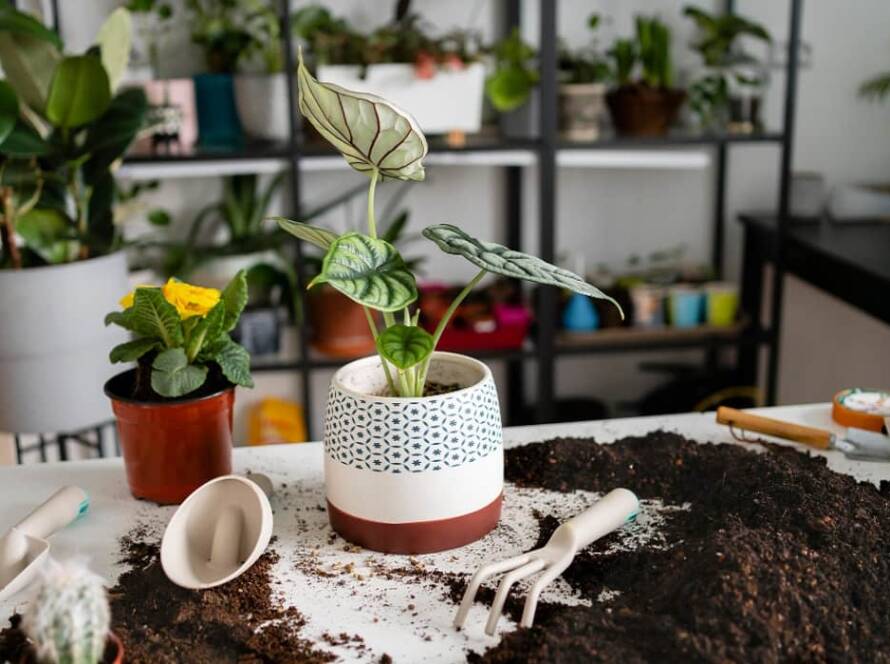
Use a well-draining potting mix suitable for the plant you are growing. Depending on the plant, the mix can include materials such as cocopeat, compost, garden soil, and materials that improve drainage.
Refresh the soil when it becomes compacted or when the plant has outgrown its pot. Healthy soil supports stronger roots and better overall plant growth.
Maintain Clean and Healthy Leaves
Dust can accumulate quickly on indoor plant leaves, particularly in a dry and dusty environment. A layer of dust can reduce the amount of light reaching the leaves.
Gently wipe broad leaves with a clean, damp cloth when needed. Remove yellow, damaged, or dead leaves using clean gardening scissors. Regular cleaning also gives you a chance to notice pests or unusual spots early.
Avoid using harsh household cleaning products on leaves. Simple and gentle care is usually enough.
Manage Jaipur’s Summer Heat
Jaipur can experience very high temperatures during summer, and indoor spaces near windows can become surprisingly hot. Keep heat-sensitive plants away from direct afternoon sunlight and hot surfaces.
Air conditioners can also make indoor air dry. If your plants prefer higher humidity, grouping plants together can create a slightly more humid environment. However, avoid placing plants directly under strong AC airflow.
Good ventilation is also important. Fresh air can help reduce excessive moisture and discourage certain fungal problems.
Feed Plants at the Right Time
Plants grown in containers eventually use nutrients available in their potting mix. Providing a suitable fertilizer occasionally can support healthy leaves, roots, and growth.
Use a balanced fertilizer according to the plant’s needs and follow the recommended quantity. Avoid adding excessive fertilizer because more is not always better and can damage roots.
During periods of active growth, plants may benefit more from feeding than during slower growth periods. Always consider the plant species and its growing conditions.
Check for Pests Regularly
Indoor plants can still attract pests such as mealybugs, aphids, spider mites, and scale insects. Check the underside of leaves, stems, and new growth regularly.
If you notice a small pest problem early, isolate the affected plant from other plants. Remove visible pests and use a plant-safe treatment suitable for the specific problem.
Regular inspection is one of the easiest indoor gardening tips in jaipur because early action can prevent pests from spreading throughout your indoor collection.
Choose the Right Location
Every room has a different light and temperature level. A bright living room may be suitable for plants that need more light, while a lower-light corner may work better for Snake Plant or ZZ Plant.
Keep plants away from constantly moving doors, strong AC vents, and extremely hot windows. Also consider pets and children when selecting plant locations, as some houseplants may not be suitable around them.
If you also enjoy growing edible plants, you can explore ideas for plants for kitchen garden in india to create a productive green space at home.
Create a Simple Indoor Gardening Routine
You do not need to spend hours caring for plants every day. A simple weekly routine can make indoor gardening easier.
Check the soil moisture, inspect leaves for pests, remove dead growth, rotate pots when necessary, and clean dusty leaves. Once every few weeks, check whether roots are becoming crowded or whether the plant needs fresh soil.
The key is consistency. Small amounts of regular care can make a noticeable difference to plant health.
Conclusion
Indoor gardening can bring natural beauty and a calming atmosphere into your Jaipur home. By choosing suitable plants, providing enough light, avoiding overwatering, using well-draining soil, and protecting plants from extreme heat, you can build a healthy indoor garden without complicated techniques.
These indoor gardening tips in jaipur are easy to follow and can help you enjoy greener, healthier houseplants throughout the year. Start with a few easy-care plants, understand their needs, and gradually expand your collection as your confidence grows.
FAQs
Which plants are best for indoor gardening in Jaipur?
Snake Plant, Money Plant, Pothos, Spider Plant, ZZ Plant, Peace Lily, and Aloe Vera are popular choices. The best option depends on the light and temperature conditions inside your home.
How often should indoor plants be watered in Jaipur?
There is no fixed watering schedule for every plant. Check the soil before watering and water when the upper layer becomes dry, while avoiding waterlogging.
Can indoor plants survive Jaipur’s summer heat?
Yes, many indoor plants can survive Jaipur’s summer when protected from intense direct sunlight and excessive heat. Keep them in suitable locations with good airflow and monitor soil moisture.
Why are my indoor plant leaves turning yellow?
Yellow leaves can result from overwatering, poor drainage, insufficient light, nutrient problems, or natural aging. Check the plant’s growing conditions before changing your watering routine.
How can I protect indoor plants from pests?
Inspect leaves and stems regularly, isolate affected plants, remove visible pests, and use an appropriate plant-safe treatment when necessary. Good airflow and proper watering can also support healthier plants.