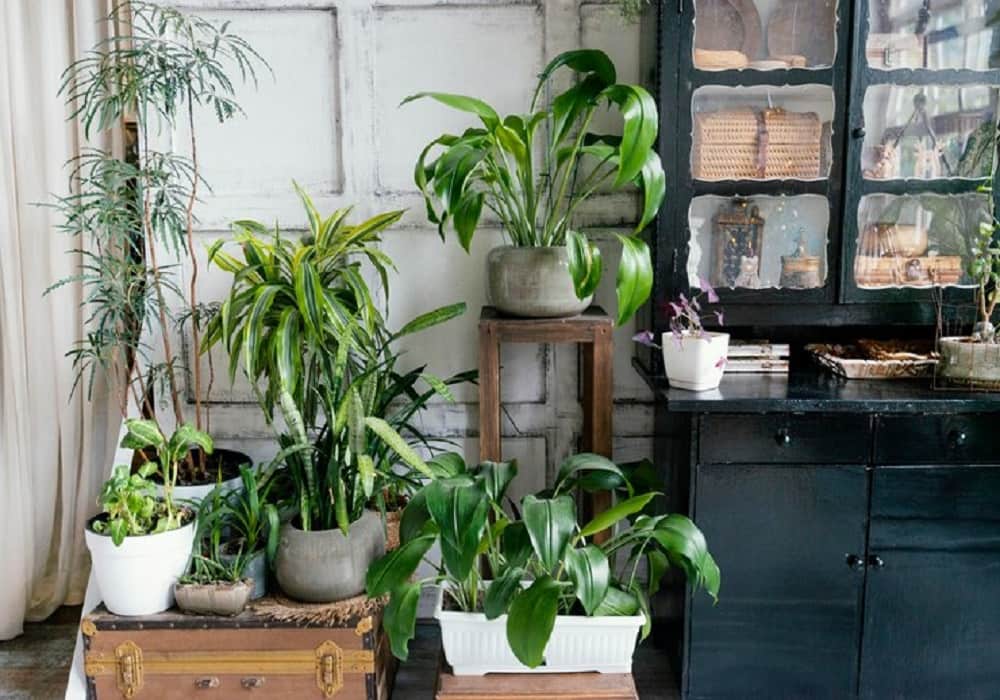

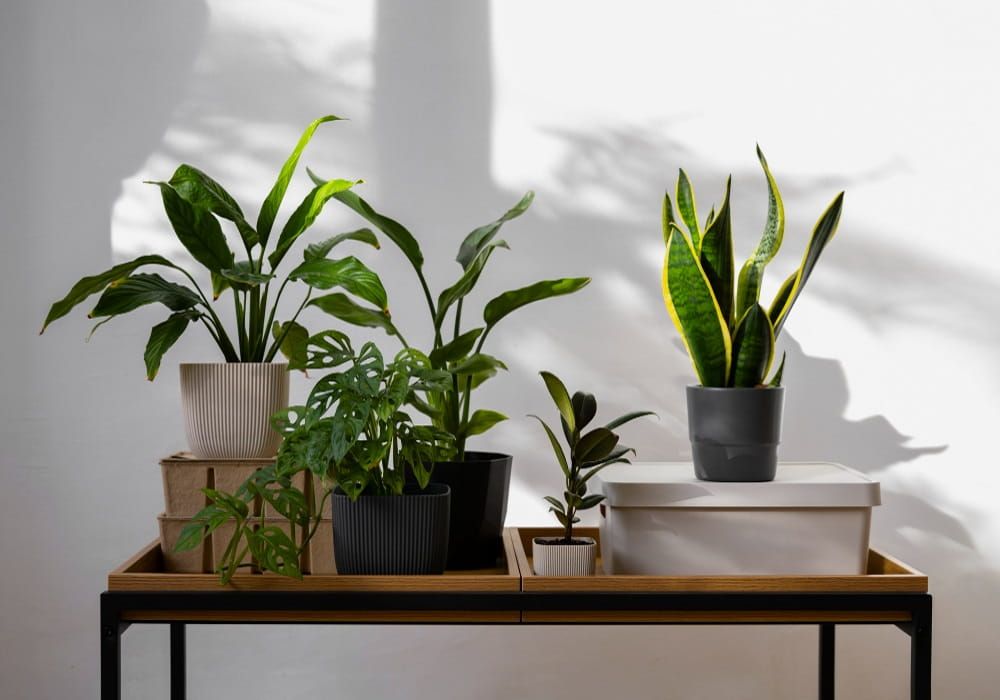
Bringing greenery inside your home is one of the easiest ways to create a fresh and peaceful environment. Indoor plants not only add beauty to your space but also help improve air quality and support a healthier lifestyle. In today’s busy urban life, where pollution and stress are common, having best indoor plants at home can make a noticeable difference.
Whether you live in a small apartment or a spacious house, adding a few indoor plants can instantly lift the mood and make your space feel more lively and refreshing.
Why Indoor Plants Are Important for Your Home
Indoor plants play an important role in improving the overall environment of your home. They help in filtering toxins from the air and increase oxygen levels, which makes the air cleaner and fresher.
Apart from air purification, indoor plants also reduce stress and create a calming atmosphere. Spending time around greenery can help you feel relaxed and improve your mental well-being. This is especially helpful if you spend most of your time indoors.
Best Indoor Plants for Fresh Air
Choosing the right indoor plants is important if you want to enjoy maximum benefits. Some plants are known for their air-purifying qualities and easy maintenance.
Snake plant is one of the most popular indoor plants as it releases oxygen even at night. Money plant is another great option that is easy to grow and helps in purifying the air. Areca palm adds a tropical feel to your home while improving humidity levels. Peace lily is known for removing harmful toxins and adding a beautiful touch to your decor.
These indoor plants are perfect for Indian homes because they require less care and can grow well in different conditions.
Indoor Plants That Are Easy to Maintain
If you are a beginner, it is always better to start with low-maintenance indoor plants. These plants do not need too much attention and can survive in basic conditions.
Plants like aloe vera, spider plant, and pothos are easy to grow and do not require frequent watering. They can adjust well to indoor environments and are perfect for people who are new to gardening.
Starting with simple indoor plants helps you build confidence and understand basic plant care.
How Indoor Plants Improve Air Quality
Indoor air can sometimes contain harmful pollutants from furniture, paints, and cleaning products. Indoor plants help absorb these toxins and release fresh oxygen.
This natural process improves air quality and makes your home a healthier place to live. Having indoor plants in your living room, bedroom, or workspace can help you breathe better and feel more energetic.
Benefits of Indoor Plants for Mental Health
Indoor plants are not just good for physical health, they also support mental well-being. Stress, anxiety, and exhaustion can all be lessened by being among plants.
The presence of indoor plants creates a peaceful and relaxing environment. Even a small green corner in your home can help you feel more connected to nature and improve your mood.
Best Places to Keep Indoor Plants
Placement of indoor plants plays an important role in their growth. Some plants need indirect sunlight, while others can grow in low light conditions.
You can place indoor plants near windows, on balconies, or in corners where they receive enough light. Bedrooms, living rooms, and even bathrooms can have suitable indoor plants depending on the lighting.
Choosing the right place ensures that your plants stay healthy and continue to provide benefits.
Tips to Take Care of Indoor Plants
Taking care of indoor plants is simple if you follow a few basic tips. Water your plants only when the soil feels dry, as overwatering can harm them. Use good quality soil that drains well and provides nutrients.
Make sure your indoor plants get enough light, even if it is indirect sunlight. Cleaning the leaves regularly helps them breathe better and stay fresh.
With a little care and attention, your indoor plants will grow well and stay healthy for a long time.
Indoor Plants for Small Spaces
Even if you have limited space, you can still enjoy the benefits of indoor plants. Small pots, hanging plants, and vertical gardens are great options for compact homes.
Plants like succulents and small herbs are perfect for small spaces. You can place them on shelves, tables, or windowsills to create a green and fresh look.
Indoor plants can easily fit into any space and make it more beautiful and lively.
Creating a Healthy Lifestyle with Indoor Plants
Indoor plants are more than just decoration. They represent a step in the direction of a healthy way of living. By improving air quality, reducing stress, and adding natural beauty, they contribute to overall well-being.
When you include indoor plants in your daily life, you also develop a connection with nature. This helps you feel more relaxed and balanced, even in a busy routine.
Conclusion
Adding indoor plants to your home is a simple yet powerful way to improve your lifestyle. They bring freshness, positivity, and better air quality, making your home a healthier place to live. Whether you are a beginner or someone who loves gardening, indoor plants are easy to grow and maintain.
Start small and gradually build your indoor garden based on your space and preference. With the right care and placement, indoor plants can thrive and continue to provide benefits for years.
If you are new to gardening and want to learn more, you can also explore our guide on home gardening tips for beginners to get started in a simple and practical way.
FAQs
1. Which indoor plants are best for air purification?
Snake plant, money plant, and peace lily are some of the best indoor plants for improving air quality.
2. How often should I water indoor plants?
Watering depends on the plant type, but generally, you should water when the soil feels dry.
3. Can indoor plants grow without sunlight?
Some indoor plants can grow in low light, but most need indirect sunlight for proper growth.
4. Are indoor plants safe for pets?
Not all indoor plants are pet-friendly. It is important to check before placing them at home.
5. Do indoor plants really improve health?
Yes, indoor plants help improve air quality, reduce stress, and create a healthier living environment.