
Have you ever looked at a neighbour’s balcony full of plants and wondered how they manage to keep everything so green? Starting your own garden may seem difficult at first, especially when you are unsure about soil, watering, sunlight, or choosing the right plants. The good news is that gardening does not require expert knowledge from day one. With the right home gardening tips for beginners, you can turn even a small corner of your house into a pleasant green space. The secret is to understand your surroundings, select suitable plants, and learn from everyday gardening experiences.
Begin With a Small Collection of Plants
Before buying several pots from a nursery, take a look at the space available at home. Notice which areas receive morning sunlight, where fresh air circulates, and which corners remain shaded throughout the day. These details will help you decide what to grow.
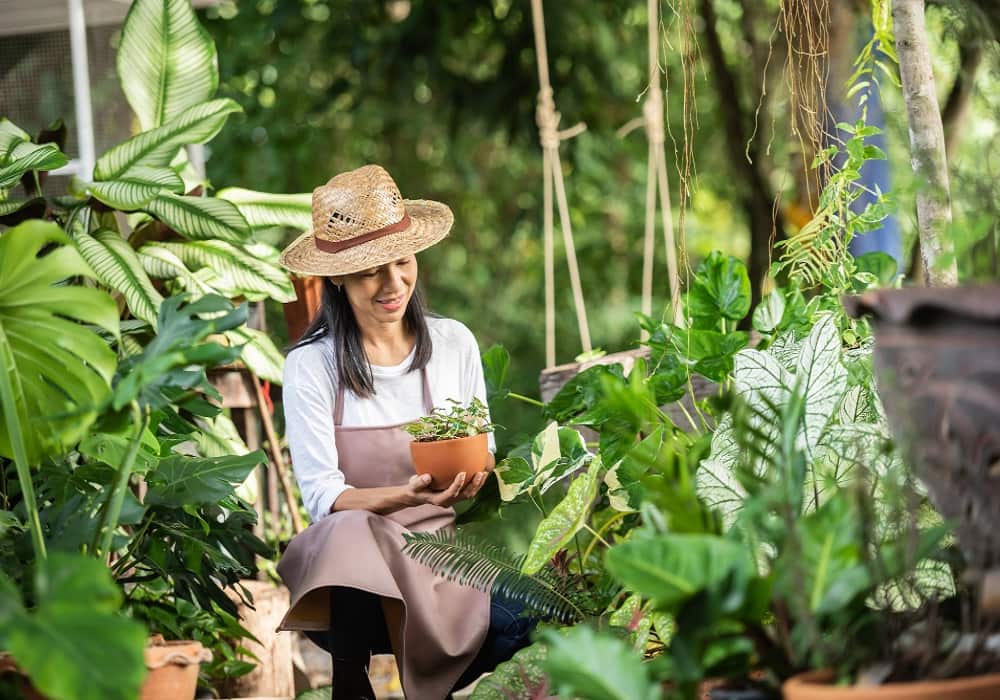
For your first collection, choose plants that match your daily routine. Tulsi, aloe vera, money plant, spider plant, and snake plant are worth considering. They are popular choices for Indian homes and offer different growing habits to learn from.
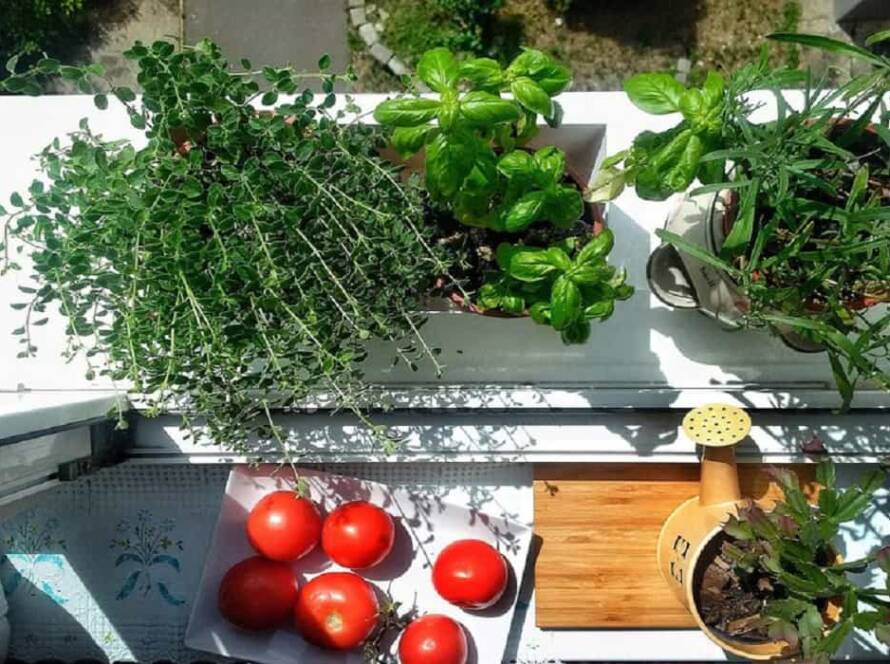
You can also try growing mint or coriander in separate containers. These herbs are useful in everyday cooking, so caring for them can become part of your regular household routine. Avoid purchasing too many plants together. Looking after a few varieties will help you understand their needs without feeling overwhelmed.
Learn to Read Your Garden Before Watering
One common mistake new gardeners make is watering every pot at the same time. However, a plant in a sunny balcony may need water more frequently than one kept near a shaded window.
Instead of following a fixed watering timetable, check the soil first. Put your finger slightly below the surface to see whether it still feels moist. When the soil is dry to the depth suitable for that plant, water it thoroughly until some excess water comes out through the drainage holes.
Pay attention to the leaves as well. Yellowing, drooping, or unusually soft stems can indicate watering or other growing problems. Do not immediately add more water whenever a plant looks unhealthy. Check the soil and roots before deciding what it needs.
Prepare Containers That Support Healthy Growth with Simple Home Gardening Tips
A good-looking pot is not necessarily a suitable home for a plant. What matters most is whether the container provides enough room for root development and allows extra water to escape.
For beginners, plastic, clay, and ceramic pots are all useful options. Clay pots allow more moisture to evaporate, while plastic containers generally retain water for longer. Select the size according to the plant rather than choosing a very large pot for every small sapling.
The growing medium also deserves attention. A mixture containing garden soil, compost, and cocopeat can be useful for many common plants. However, the proportion should be adjusted according to the variety being grown. Succulents, for example, require a faster-draining medium than many leafy plants.
If you reuse old buckets or household containers, make sufficient drainage holes at the bottom before planting.
Make Sunlight and Weather Work in Your Favour
Indian weather can change considerably across seasons and regions. A plant that grows comfortably during winter may need extra attention during the hot summer months. This is why understanding your local conditions is important.
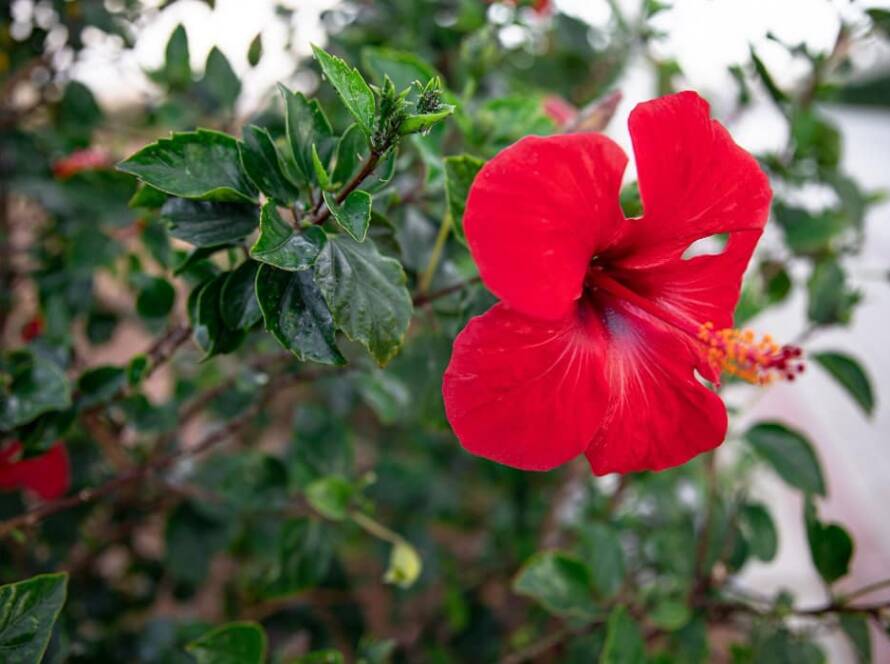
Place sun-loving plants such as marigolds and many vegetable varieties where they can receive adequate direct sunlight. Keep plants that prefer indirect light away from harsh afternoon exposure.
During peak summer in Rajasthan, container soil can dry quickly. Checking moisture more frequently and using suitable mulch around the soil surface can help reduce water loss. During the monsoon, ensure that pots do not remain waterlogged after heavy rainfall.
Move containers when necessary rather than expecting every plant to adjust to the same location throughout the year.
Use Kitchen Resources and Watch for Pests
Your kitchen can contribute to a more sustainable gardening routine. Fruit peels, vegetable scraps, and other suitable biodegradable waste can be converted into compost using a proper composting method. Well-decomposed compost can improve soil quality and provide nutrients to plants.
Avoid placing raw food scraps directly into flower pots. They may attract flies, ants, or other unwanted insects. Compost should be properly processed before being mixed into the growing medium.
Make it a habit to inspect leaves, particularly their undersides and young shoots. Small insects, sticky patches, or unusual spots may indicate a pest problem. Remove affected leaves when appropriate and use suitable pest-management methods before the problem spreads.
Build a Gardening Routine You Can Maintain
A beautiful garden is not created in a single weekend. It develops through small activities such as removing dry leaves, checking the soil, cleaning containers, and observing new growth.
Keep a simple gardening notebook to record planting dates, watering observations, and changes in plant health. This is especially useful when you are growing several varieties with different requirements.
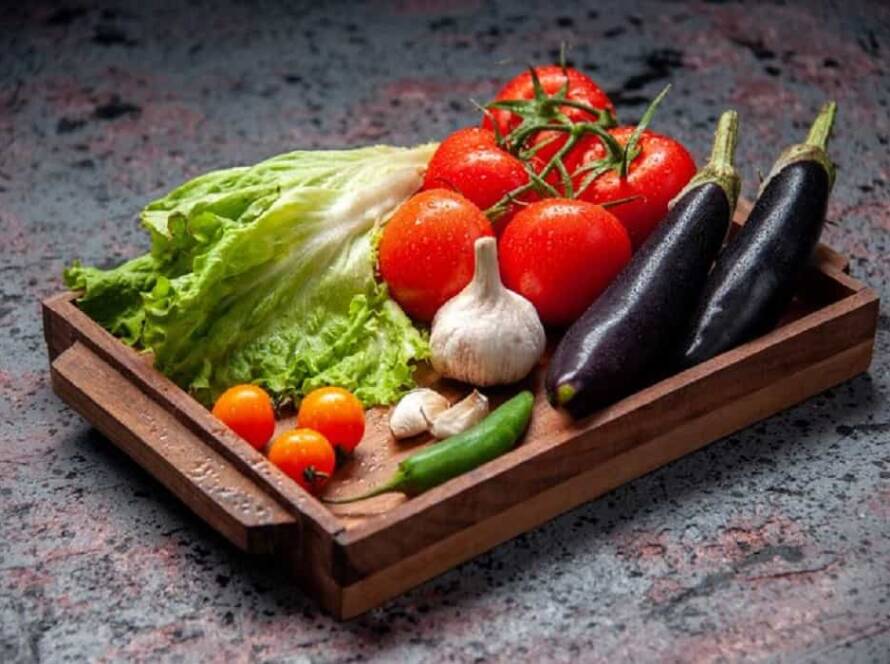
Once you become comfortable with ornamental plants and herbs, try growing seasonal vegetables. You can explore terrace vegetable garden ideas in India for inspiration on arranging containers, choosing suitable crops, and using available terrace space more effectively.
Conclusion
Your first home garden does not need to look perfect. Some plants may grow quickly, while others may take time to settle into their new surroundings. Treat these experiences as part of learning rather than reasons to give up. Start with suitable varieties, understand their basic requirements, and make small improvements as you gain confidence. With a little observation and regular care, gardening can become a rewarding part of your everyday life.
Frequently Asked Questions
Which plants should beginners grow at home in India?
Tulsi, mint, aloe vera, money plant, spider plant, and marigold are some options to consider. Select them according to the available sunlight and local weather.
Can I start gardening without a backyard?
Yes. A balcony, windowsill, entrance area, or terrace can provide enough room for a small garden. You can use railing planters, hanging pots, and compact containers.
What should I buy before starting a home garden?
Begin with a few pots, a suitable potting mix, compost, a small watering can, and basic gardening tools. You can purchase additional supplies as your garden expands.
Why are the leaves of my plants turning yellow?
Yellow leaves can result from excess watering, insufficient light, nutrient problems, or natural ageing. Check the soil and growing conditions before making changes.
How much time should beginners spend on gardening?
Around 10 to 15 minutes of daily observation and basic maintenance can be a useful starting point. Some tasks, such as repotting and pruning, may require additional time occasionally.