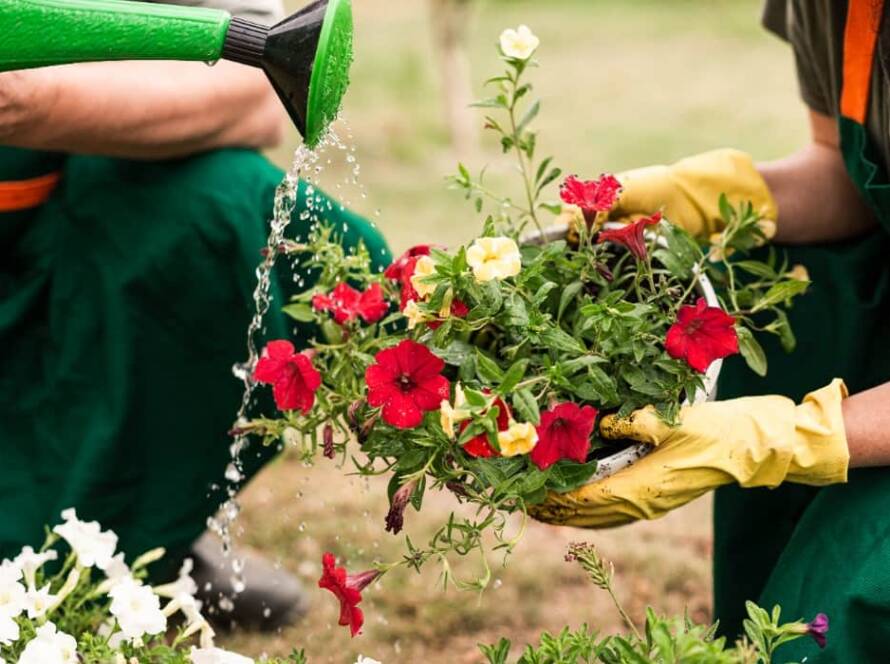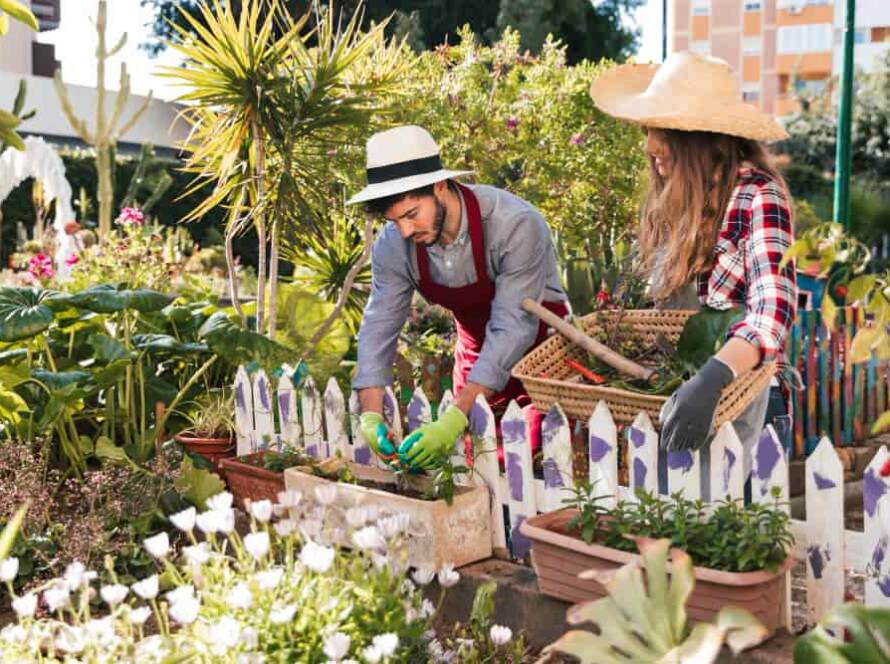


Starting a garden at home does not require expensive equipment, a large space, or years of experience. With a few basic tools and suitable plants, anyone can create a small green corner on a balcony, terrace, windowsill, or in the backyard. Following the right home gardening tips for beginners can help you avoid common mistakes and enjoy healthy plant growth from the start.
The key is to begin with a simple plan, understand your plants’ needs, and develop a regular gardening routine. Here is how you can start your first home garden without making the process complicated.
1. Choose the Right Spot for Your Garden
Before buying plants or preparing pots, look for a suitable place in your home. Most plants need sunlight, fresh air, water, and enough space for their roots to grow.
Observe the area throughout the day to understand how much sunlight it receives. Many flowering plants and vegetables grow well with around six hours of direct sunlight, while certain leafy plants can manage with less. Always check the requirements of the plants you choose.
If you live in an apartment, a balcony, sunny windowsill, or terrace can be a good starting point. For a house with outdoor space, you can use a small patch of soil or arrange containers along a wall.
Avoid overcrowding pots, as plants need room for proper growth and air circulation. In hot Indian cities, protect sensitive plants from harsh afternoon sunlight, especially during summer.
2. Start With Simple Gardening Tools
You do not need a complete gardening kit to begin. A few useful items are enough to handle most everyday tasks.
Start with a small hand trowel for filling pots and moving soil. Keep a watering can or a bottle with a gentle pouring opening to water plants without disturbing the soil. Gardening gloves can protect your hands, while pruning scissors help remove dry leaves and damaged stems.
You will also need pots or containers with drainage holes. Reused food-grade containers can work, provided they are clean and allow excess water to escape. Do not use containers that previously held harmful chemicals.
A small bucket for mixing potting material and a simple spray bottle can also be useful. Buy additional tools only when your garden grows and you understand what you actually need.
3. Pick Easy Plants for Your First Garden
Choosing suitable plants is one of the most important home gardening tips for beginners. Start with varieties that match your available sunlight, local climate, and daily routine.
Coriander and fenugreek are useful choices for a small kitchen garden. Mint can grow well in containers, although it is best kept in a separate pot because it spreads quickly. Spinach may also be suitable when temperatures and growing conditions are favourable.
For flowers, consider marigold, periwinkle, or other varieties suited to your local climate and season. If you prefer indoor greenery, choose plants based on the natural light available rather than selecting them only for their appearance.
Read the seed packet or plant label before planting. It usually provides useful information about sunlight, watering, sowing depth, and the expected growing season.
If you want to expand your kitchen garden later, explore our guide to vegetable garden plants for more planting ideas.
4. Prepare Healthy Soil and Water Correctly
Healthy soil gives plants the support and nutrients they need to develop strong roots. For container gardening, use a suitable potting mix that holds enough moisture while allowing excess water to drain. Heavy garden soil alone may become compacted inside pots.
You can use a quality ready-made potting mix or prepare a suitable blend using garden soil, compost, and a material that improves aeration, such as cocopeat or perlite. Adjust the mixture according to the plants you are growing.
Add compost in suitable amounts to support plant growth. Avoid adding fresh kitchen waste directly to small pots, as it may attract insects and create unpleasant smells.
Watering requires attention rather than a fixed daily schedule. Check the top layer of soil with your finger before watering. If it feels dry and the plant needs moisture, water thoroughly until excess water drains out. Let the soil condition guide your next watering session.
Overwatering can damage roots even when the leaves look weak. Always empty trays that collect excess water and make sure the containers have working drainage holes.
5. Build a Simple Gardening Routine
A small garden becomes easier to manage when you spend a little time caring for it regularly. Check your plants for dry leaves, damaged stems, weeds, and signs of insects. Remove unhealthy leaves when needed, and turn containers occasionally if plants are leaning towards sunlight.
Keep a simple record of planting dates, watering, and changes in plant growth. This can help you understand which plants perform well in your home and which need different conditions.
Do not worry if a seed fails to germinate or a plant grows slowly. Check the sunlight, water, soil, and temperature before making changes. Avoid applying large amounts of fertiliser in an attempt to speed up growth.
Start with just three or four plants. Once you become comfortable looking after them, gradually introduce more varieties. A manageable garden is more rewarding than a large collection of plants you cannot maintain.
Conclusion
Starting a home garden is easier when you keep things simple. Choose a suitable spot, gather a few basic tools, select beginner-friendly plants, and provide the right soil, sunlight, and water. These home gardening tips for beginners can help you build confidence while learning through everyday experience.
Remember that every plant grows at its own pace. With patience and regular care, even a small balcony or windowsill can become a fresh, green space that brings nature closer to your home.
Frequently Asked Questions
1. What are the easiest plants for beginners to grow at home?
Coriander, fenugreek, mint, marigold, and periwinkle are useful options, depending on the season, sunlight, and local climate.
2. What basic tools do I need to start gardening?
A hand trowel, watering can, gardening gloves, pruning scissors, and containers with drainage holes are enough for a small beginner garden.
3. How much sunlight does a home garden need?
Sunlight requirements vary by plant. Many vegetables and flowering plants need around six hours of direct sunlight, while some leafy plants and indoor varieties tolerate lower light.
4. How often should I water my plants?
There is no single watering schedule for every plant. Check the soil moisture, consider the weather, and water when the plant needs it. Make sure excess water can drain freely.
5. Can I start a garden without a backyard?
Yes. You can grow suitable plants in pots on a balcony, terrace, windowsill, or near a sunny window. Select containers and plants according to your available space and light.