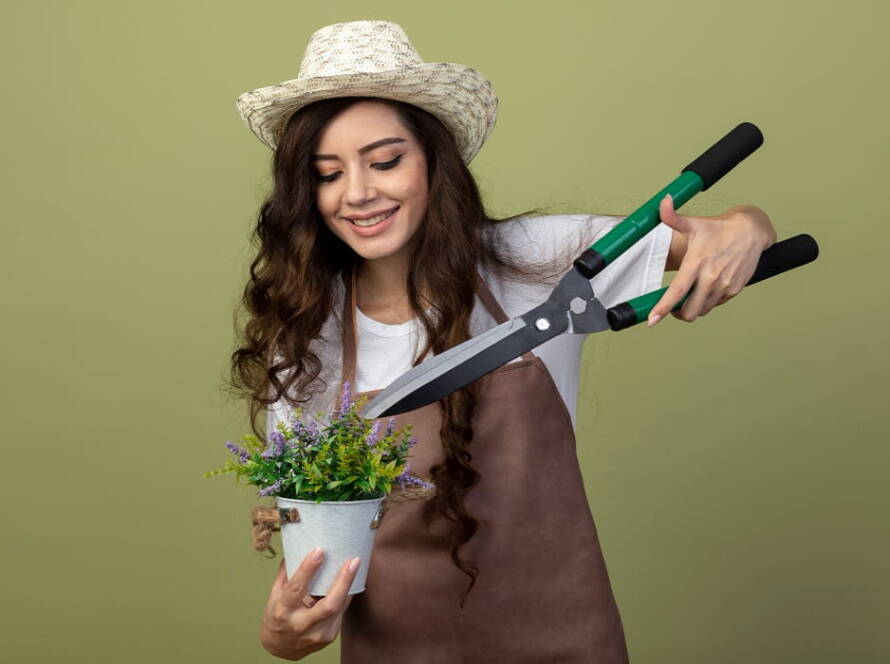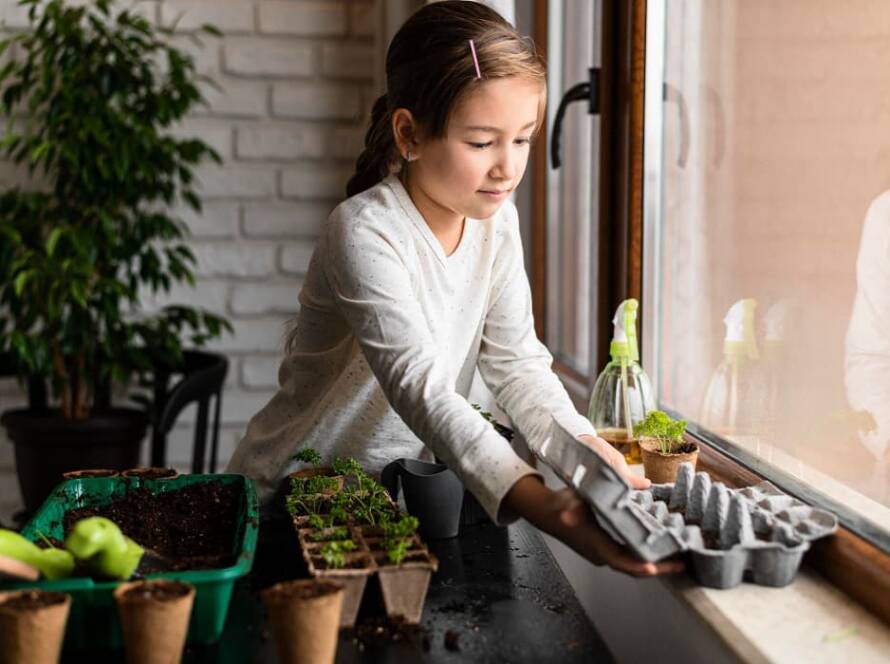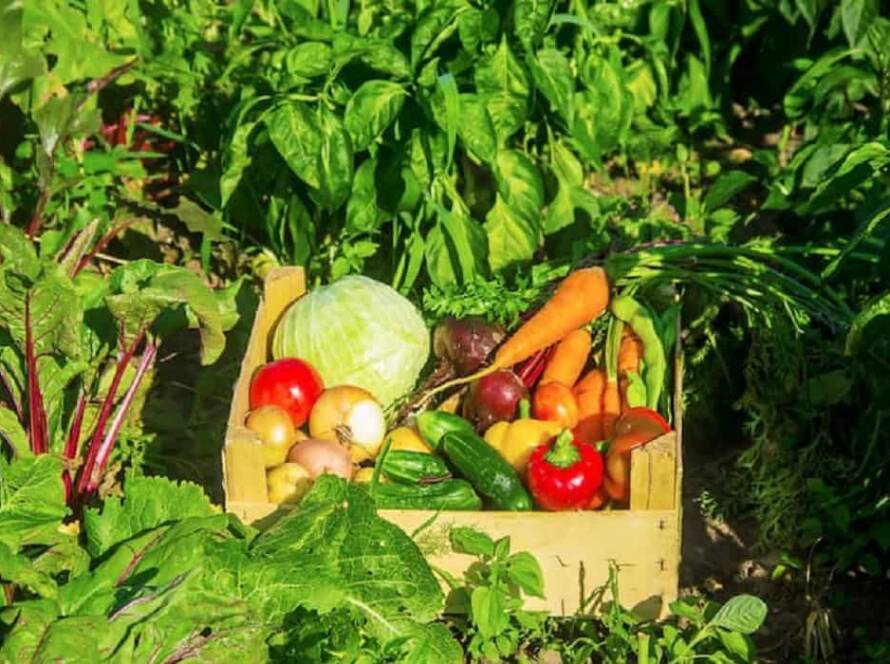

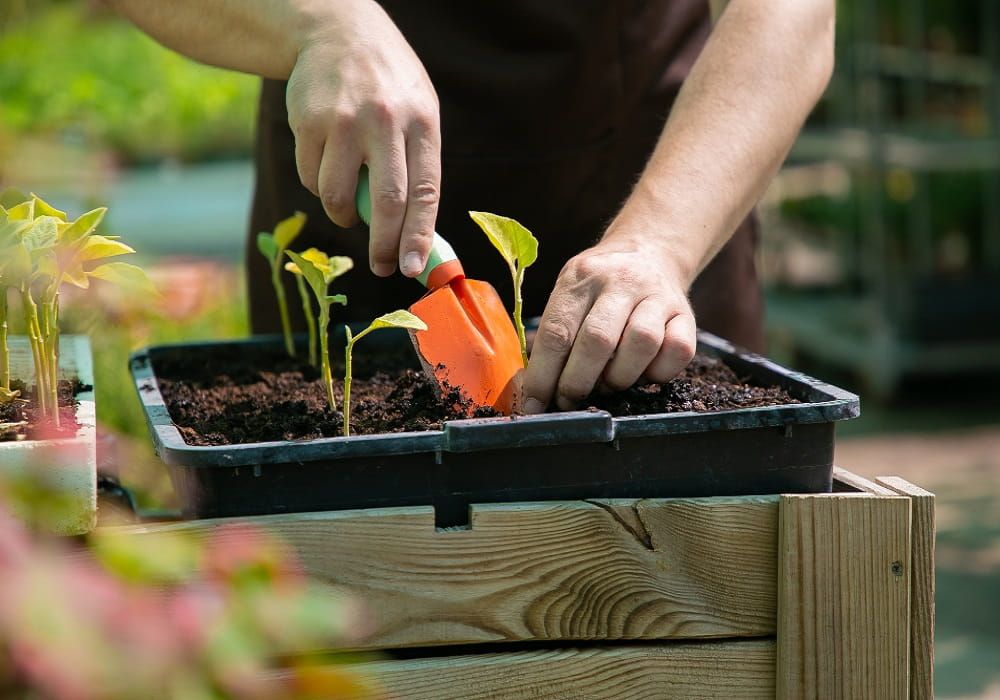
Growing plants at home can be a rewarding experience, even if you have never held a pair of gardening shears before. A few pots, suitable soil, sunlight, and regular attention are enough to begin. The key is to understand what your plants need instead of trying to care for every plant in the same way. These home gardening tips for beginners will help you build practical gardening habits and grow fresh plants with greater confidence.
Begin With a Small Collection
When starting a garden, it can be tempting to bring home several attractive plants at once. However, caring for too many varieties can quickly become confusing. Begin with three or four plants and learn their individual requirements.
Consider what you actually want from your garden. You may prefer herbs for your kitchen, vegetables for fresh produce, or flowers to make your balcony more colourful. A small collection gives you enough time to understand watering, sunlight, soil, and basic plant care.
As your experience grows, you can gradually introduce more plants.
Find the Best Spot at Home
Every plant has different light requirements. Before buying plants, observe your available space throughout the day. A balcony or terrace with several hours of sunlight may be suitable for vegetables and many flowering plants, while a shaded corner may be better for plants that prefer softer light.
Do not assume that a bright room always provides enough sunlight. Natural light passing through a window can vary depending on the direction and surrounding buildings.
Position your plants according to their needs rather than simply arranging them where they look attractive.
Prepare the Growing Medium Properly
Healthy roots are the foundation of healthy plants. Ordinary soil from outside may not always be ideal for container gardening because it can become compact and restrict drainage.
Use a light growing medium that allows both water and air to reach the roots. Adding mature compost can improve the nutrient content and support steady plant development.
Your pots should also have drainage holes. Without proper drainage, water can collect around the roots and create an unsuitable growing environment.
Learn When Your Plants Need Water
Watering is one area where beginners often need some practice. Giving a plant water every day without checking the soil can do more harm than good.
Push your finger slightly into the top layer of soil to check its moisture. If it still feels damp, wait before watering. If it has become noticeably dry, provide enough water to moisten the soil properly.
The frequency will change with temperature, humidity, pot size, and plant type. Plants may need more attention during hot, dry weather and less during periods of frequent rainfall.
Feed Plants Without Overdoing It
Plants require nutrients to produce healthy leaves, roots, flowers, and fruits. Compost is a simple option for improving the growing medium at home.
However, adding large amounts of fertiliser does not automatically produce faster growth. Excess nutrients can damage roots and affect plant health. Follow the requirements of the particular plant and use any fertiliser according to its recommended quantity.
A healthy combination of suitable soil, adequate light, and appropriate watering should come before additional feeding.
Keep an Eye on Plant Health
Make it a habit to look at your plants while watering them. Healthy leaves should generally have a normal appearance for their variety. Sudden yellowing, curling, spots, wilting, or unusual marks can indicate that something needs attention.
Check underneath leaves as well because small insects can sometimes remain hidden there. Early detection makes plant problems much easier to manage.
Remove dead leaves and flowers when appropriate. Keeping the growing area clean can also make it easier to notice changes in your plants.
Choose Plants According to the Season
Successful gardening is closely connected with timing. A plant that performs well during one season may struggle when temperatures become too high or too low.
Instead of selecting plants only because they look attractive at a nursery, find out whether they are suitable for the current season and your local conditions.
Flower lovers can explore easy flowers to grow in pots in india when selecting beginner-friendly flowering varieties. Similarly, vegetables and herbs should be chosen according to the appropriate growing season.
Give Your Garden Time
Not every seed will germinate, and not every plant will grow perfectly. That is a normal part of gardening. Avoid becoming discouraged if your first attempt does not produce the expected result.
Take simple notes about planting dates, watering, sunlight, and plant growth. These observations can help you understand your garden better over time.
The more you observe, the easier it becomes to recognise what your plants need.
Conclusion
Home gardening does not require expert knowledge or a large outdoor area. Starting with suitable plants, preparing good soil, managing water carefully, and paying attention to seasonal conditions can make the experience much easier.
These home gardening tips for beginners provide a practical starting point for anyone who wants to grow fresh plants at home. Start with a few varieties, learn from your plants, and expand your garden as your confidence develops.
FAQs
1. How can a beginner start gardening at home?
Start with a few easy-care plants, suitable containers, quality growing medium, and a location with appropriate sunlight. Learn the requirements of each plant before adding more.
2. How do I know when a plant needs water?
Check the moisture in the upper layer of soil. Water when it has become dry enough for that particular plant rather than following the same schedule for every pot.
3. Is a balcony suitable for a home garden?
Yes. Balconies can work well for container gardening if they receive suitable light and have enough space for safe placement of pots.
4. Why are drainage holes important in pots?
Drainage holes allow excess water to escape. This helps prevent water from remaining around the roots for long periods.
5. Should beginners use fertiliser regularly?
Not necessarily. Plant needs vary. Start with suitable soil and compost, and use additional fertiliser only when appropriate for the plant and according to its instructions.