
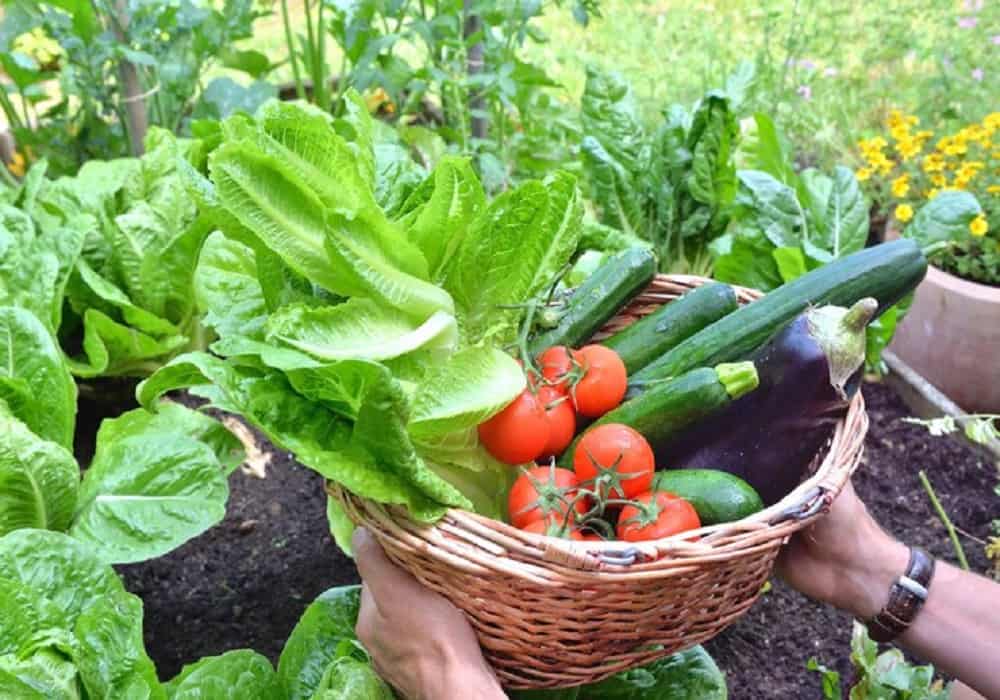
Growing your own vegetables is one of the easiest ways to enjoy fresh, healthy food while reducing grocery expenses. Even if you have only a balcony, terrace, or a few pots, you can harvest nutritious vegetables throughout the year. Choosing the fastest growing vegetables at home in India allows you to see results quickly, making gardening enjoyable for beginners and experienced gardeners alike. Many fast-growing vegetables thrive in Indian weather, require minimal care, and are perfect for kitchen gardens. With the right planning and a little patience, you can enjoy fresh harvests right from your home.
Why Grow Fast-Growing Vegetables at Home?
Fast-growing vegetables offer many benefits beyond providing fresh produce. One of the biggest advantages is the ability to harvest vegetables within a few weeks, giving families a continuous supply of fresh ingredients for everyday cooking.
Home-grown vegetables are often fresher than store-bought produce because they can be harvested just before use. This helps preserve their natural taste and nutritional value. Growing your own food also encourages healthier eating habits and supports organic vegetable gardening by reducing the need for unnecessary chemicals.
Another advantage is cost savings. A small investment in seeds, quality soil, and compost can produce vegetables for several months. Many leafy greens can even be harvested multiple times from the same plant.
Fast-growing vegetables are also ideal for space-saving gardening. Whether you have a balcony vegetable garden, terrace, backyard, or small courtyard, you can successfully grow vegetables in pots, grow bags, or raised beds.
Gardening also brings families together. Children learn where food comes from, while adults enjoy spending time outdoors and reducing daily stress through gardening activities.
Fastest Growing Vegetables at Home in India
If you want quick harvests, these are some of the fastest growing vegetables at home in India that perform well in different climates.
Spinach
Spinach is one of the easiest vegetables to grow and is usually ready for harvesting within 25–35 days. It grows well in containers and provides nutrient-rich leaves for salads and cooked dishes.
Radish
Radish grows quickly and can often be harvested within 25–35 days. It requires loose, well-drained soil and regular watering for healthy root development.
Coriander
Coriander is popular in Indian kitchens and is usually ready in about 30–40 days. Fresh leaves add flavour to many dishes and can be harvested repeatedly.
Fenugreek (Methi)
Fenugreek grows rapidly and can be harvested in 20–30 days. It requires little maintenance and is an excellent choice for beginners.
Lettuce
Lettuce grows well during cooler seasons and is generally ready within 30–45 days. It is suitable for containers and makes fresh salads easily available at home.
Green Onions
Green onions grow quickly from seeds or leftover onion bulbs and are often ready within 30–45 days. They require little space and grow well in pots.
Mustard Greens
Mustard greens are nutritious leafy vegetables that mature within 30–40 days. They perform well during cooler months and are easy to maintain.
Amaranth
Amaranth is a fast-growing leafy vegetable that is ready in about 25–35 days. It tolerates warm weather well and produces multiple harvests when leaves are picked regularly.
Mint
Mint spreads rapidly and provides continuous fresh leaves throughout the growing season. Regular trimming encourages healthy growth and keeps the plant productive.
Green Chillies
Green chillies take a little longer than leafy vegetables, usually 60–75 days, but they continue producing for several months, making them a rewarding addition to any kitchen garden.
Tips for Growing Vegetables Faster
Healthy plants begin with healthy soil. Mix garden soil with well-rotted compost or organic manure to improve fertility and drainage. Rich soil helps roots grow quickly and supports better vegetable production.
Always use good-quality seeds from a trusted source. Quality seeds usually germinate faster and produce stronger plants. Water regularly, but avoid making the soil soggy. Most vegetables also need 4–6 hours of sunlight each day for healthy growth.
Adding organic compost every few weeks supplies essential nutrients naturally. Keep an eye out for common pests such as aphids or caterpillars and manage them using neem oil, handpicking, or other organic pest control methods whenever possible.
Common Mistakes to Avoid
Many beginner gardeners accidentally slow plant growth by overwatering. Excess moisture can damage roots and encourage fungal diseases. Water only when the top layer of soil starts to feel slightly dry.
Poor drainage is another common issue, especially when growing vegetables in containers. Ensure pots have drainage holes to prevent waterlogging.
Avoid planting too many vegetables in a small space. Overcrowded plants compete for sunlight, nutrients, and airflow, leading to weaker growth. It is also important to choose vegetables according to the season because seasonal crops naturally perform better.
Finally, harvest leafy vegetables regularly. Frequent harvesting encourages fresh leaves to grow and allows many plants to continue producing for a longer period.
Best Containers and Spaces for Home Vegetable Gardening
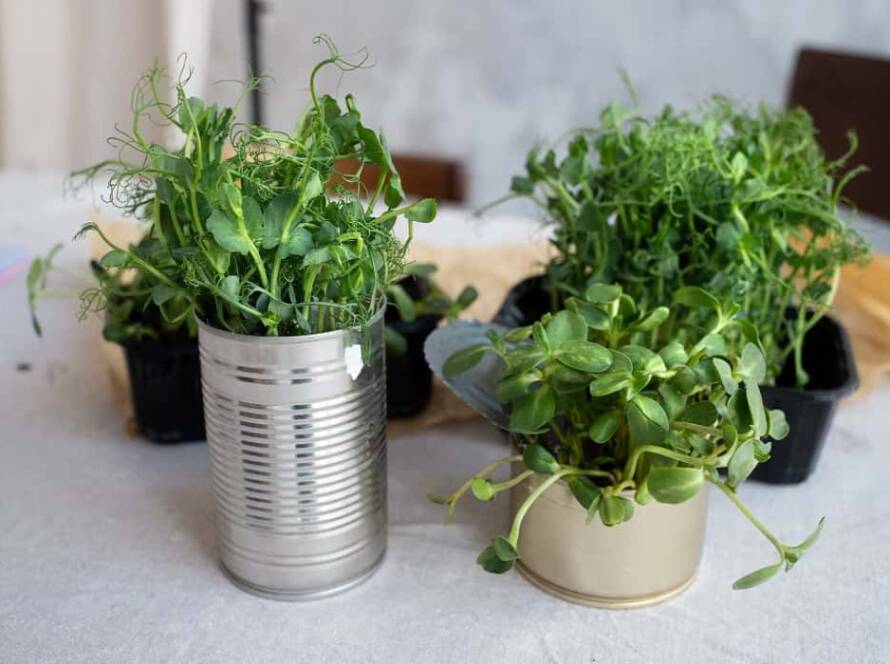
You do not need a large backyard to enjoy fresh vegetables. Pots are ideal for herbs, leafy greens, and compact vegetable garden plants. Grow bags are lightweight, affordable, and suitable for root vegetables and larger crops.
Balconies receive enough sunlight for many vegetables, making them excellent spaces for home gardening in India. Terrace gardens offer more room for multiple containers and allow gardeners to grow a wider variety of vegetables.
Raised beds are a great option if you have open ground because they improve soil drainage and make maintenance easier. Vertical gardening is another smart solution for small homes, allowing climbers and herbs to grow upward while saving valuable floor space.
Conclusion
Growing the fastest growing vegetables at home in India is a simple and rewarding way to enjoy fresh, healthy produce every day. With quality seeds, healthy soil, regular care, and the right growing space, even beginners can harvest vegetables successfully. Whether you choose a balcony, terrace, or backyard, home gardening brings freshness, better nutrition, and satisfaction to your daily life. For more seasonal gardening advice, be sure to read our blog on summer gardening tips in Rajasthan.
FAQs
1. Which are the fastest growing vegetables at home in India?
Some of the fastest-growing vegetables include spinach, radish, fenugreek, coriander, amaranth, mustard greens, lettuce, and green onions. These vegetables grow quickly, require minimal maintenance, and are excellent choices for beginners starting a home kitchen garden.
2. Can I grow vegetables on a balcony?
Yes. Many vegetables grow successfully on balconies using pots or grow bags. Ensure your plants receive enough sunlight, good-quality soil, regular watering, and proper drainage for healthy growth. Leafy greens, herbs, and chillies perform especially well in balcony gardens.
3. How often should I water home-grown vegetables?
Watering depends on the season, soil, and plant type. During hot weather, vegetables may need watering daily, while cooler seasons require less frequent watering. Always check the soil before watering to avoid overwatering and root problems.
4. Which vegetables are best for beginners?
Spinach, fenugreek, coriander, radish, mint, lettuce, and green onions are among the easiest vegetables to grow. They require basic care, mature quickly, and provide encouraging results for first-time gardeners.
5. What is the best season to grow vegetables in India?
The best season depends on the vegetable. Leafy greens generally thrive during cooler months, while warm-season vegetables grow well in spring and summer. Choosing crops according to your local climate and planting season improves growth and harvest quality.