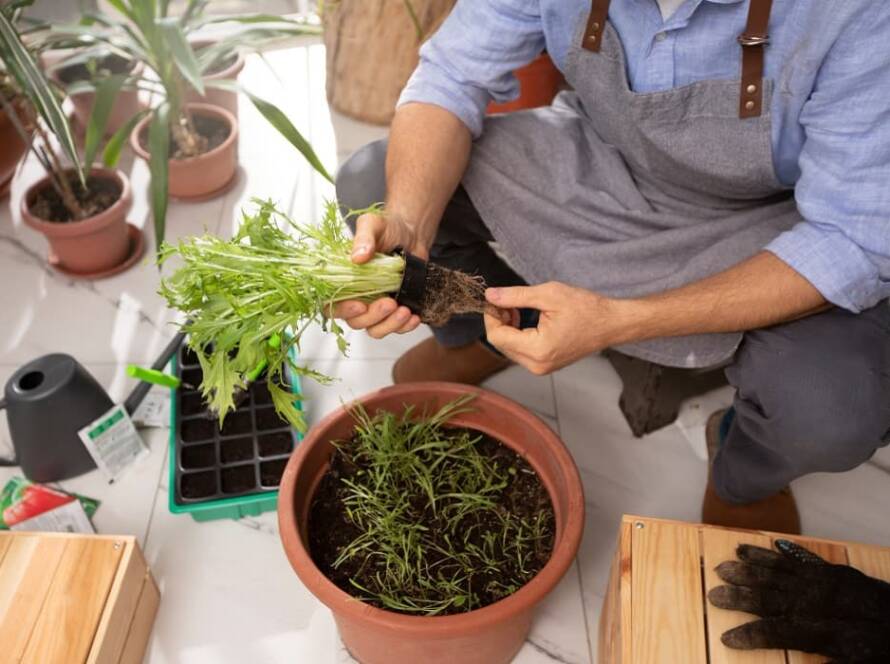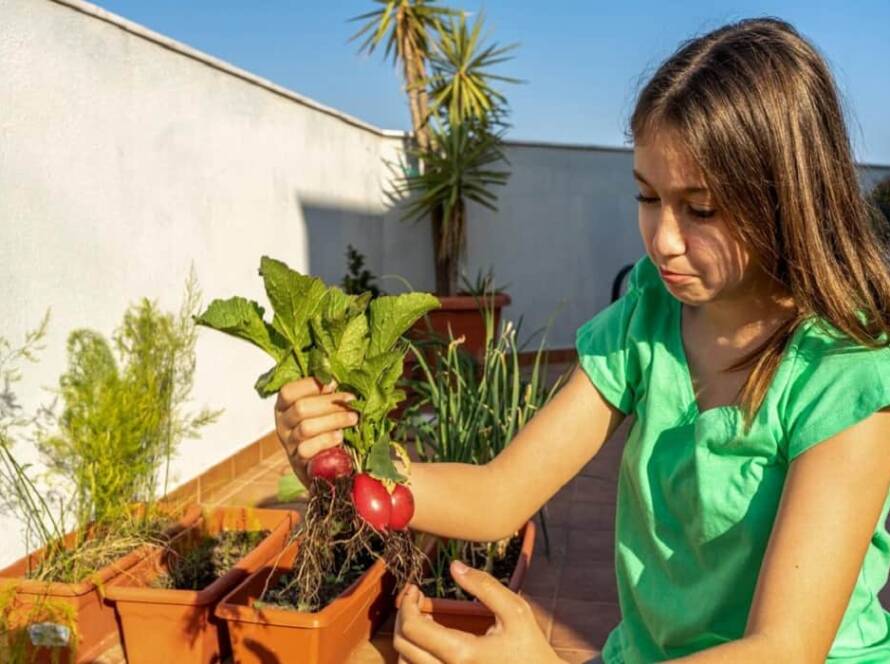

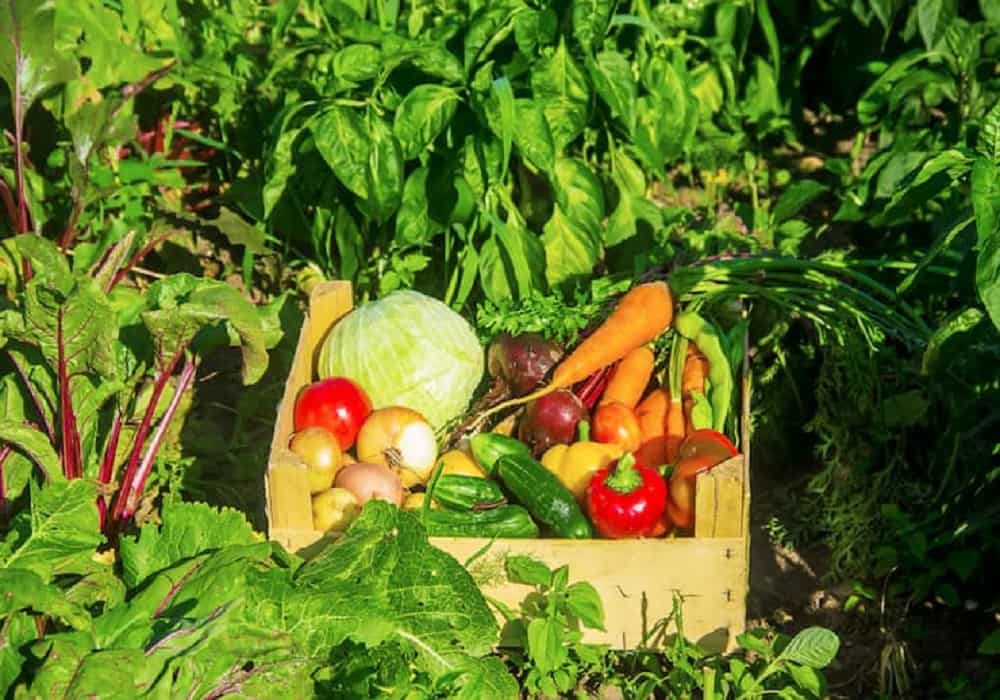
Growing your own vegetables is one of the smartest ways to enjoy fresh, healthy food while reducing household expenses. Across cities and villages alike, more people are embracing kitchen gardening in India to gain access to chemical-free produce and make better use of available space. Kitchen garden vegetables in India are becoming increasingly popular because they offer fresh harvests, lower grocery costs, and better control over food quality. Whether you have a backyard, terrace, balcony, or a small patch of land, growing kitchen garden vegetables in India can provide a steady supply of nutritious produce throughout the year. Some vegetables are especially profitable because they grow quickly, produce continuously, and are used regularly in Indian kitchens. In this guide, we will explore the best options for home gardeners and practical tips to maximize productivity.
Why Kitchen Gardening Is Becoming Popular in India
The popularity of home vegetable gardening has increased significantly in recent years. Rising vegetable prices, concerns about pesticide residues, and a growing interest in sustainable living have encouraged families to grow their own food.
Kitchen gardens require relatively low investment and can be maintained even in limited spaces using pots, grow bags, or raised beds. Besides providing fresh vegetables, gardening also promotes physical activity and reduces stress. For those new to gardening, resources like gardening for beginners in india can help build confidence and develop essential growing skills.
Another major advantage is the ability to harvest vegetables exactly when needed, ensuring better taste and nutritional value compared to store-bought produce.
Most Profitable Kitchen Garden Vegetables in India
Tomato
Tomatoes are among the most profitable vegetables for home gardening because they are used almost daily in Indian cooking. A few healthy plants can produce a large quantity of fruits over several weeks.
Tomatoes thrive in sunny locations and well-drained soil rich in organic matter. Regular watering and occasional feeding with compost can significantly improve yield. Cherry tomatoes and hybrid varieties are particularly productive for home gardens.
Chilli
Green chillies are an essential ingredient in many Indian dishes, making them one of the best vegetables to grow at home. Chilli plants occupy very little space and continue producing for several months.
They adapt well to containers and require moderate watering. Since chillies are harvested frequently, even a small number of plants can provide a continuous supply while reducing grocery expenses.
Coriander
Coriander is one of the easiest vegetables and herbs to cultivate in a kitchen garden. It grows quickly and can be harvested within a few weeks after sowing.
Because coriander leaves are often purchased repeatedly from markets, growing them at home offers excellent value. Successive sowing every few weeks ensures a steady supply throughout the growing season.
Spinach
Spinach is a fast-growing leafy vegetable known for its nutritional benefits and high productivity. It grows well in most regions of India and can be harvested multiple times from the same planting.
Regular cutting of outer leaves encourages fresh growth, allowing gardeners to enjoy repeated harvests. Spinach also requires relatively little maintenance, making it ideal for beginners.
Okra
Okra, commonly known as bhindi, performs exceptionally well in warm Indian climates. It grows rapidly and starts producing pods within a few weeks after planting.
The plant continues yielding throughout the season when harvested regularly. Since okra is widely consumed and often expensive during certain months, growing it at home can generate significant savings.
Brinjal
Brinjal, or eggplant, is another highly productive option among kitchen garden vegetables in India. A single healthy plant can produce numerous fruits over several months.
Brinjal thrives in fertile soil with good sunlight exposure. Regular removal of damaged leaves and proper watering help maintain healthy growth and improve fruit production.
Bitter Gourd
Bitter gourd is a climbing vegetable that can produce an impressive harvest from a small area. By growing it on trellises or vertical supports, gardeners can maximize space utilization.
This vegetable is valued for its health benefits and often commands higher market prices. Once established, bitter gourd plants continue producing fruits regularly during the growing season.
Tips to Increase Yield and Save Money
A productive kitchen garden depends on proper planning and consistent care. Following a few simple practices can help maximize harvests while minimizing expenses.
Use compost made from kitchen waste to improve soil fertility naturally. Compost provides essential nutrients and reduces the need for chemical fertilizers.
Choose high-quality seeds or disease-resistant varieties suitable for your local climate. Healthy plants generally produce better yields and experience fewer pest problems.
Ensure vegetables receive at least six hours of sunlight daily. Most vegetables for kitchen garden cultivation perform best under adequate sunlight.
Practice companion planting where possible. Certain plant combinations help deter pests and improve overall garden health.
Mulching around plants helps conserve moisture, suppress weeds, and reduce watering requirements during hot weather.
Harvest vegetables regularly. Frequent harvesting encourages continued production in crops such as chillies, okra, spinach, and tomatoes.
Common Mistakes to Avoid
Many gardeners make avoidable mistakes that reduce productivity and plant health.
Overwatering is one of the most common issues. Excess moisture can cause root rot and fungal diseases. Water only when the soil begins to dry.
Planting vegetables too close together restricts airflow and increases competition for nutrients. Always follow recommended spacing guidelines.
Ignoring soil quality can lead to weak growth and poor harvests. Enrich the soil with compost before planting.
Using excessive chemical fertilizers may damage plants and soil health over time. Organic vegetable gardening practices often provide more sustainable results.
Neglecting pest monitoring can allow infestations to spread quickly. Regular inspection helps identify problems early and reduces crop losses.
Conclusion
Growing kitchen garden vegetables in India is an excellent way to enjoy fresh produce, lower grocery bills, and adopt a healthier lifestyle. Vegetables such as tomato, chilli, coriander, spinach, okra, brinjal, and bitter gourd offer impressive yields and excellent value for home gardeners. With proper planning, healthy soil, and regular care, even a small garden can provide a continuous supply of nutritious vegetables throughout the year. Start with a few easy crops, learn from experience, and gradually expand your garden to enjoy the many benefits of home-grown food.
FAQs
1. Which are the most profitable kitchen garden vegetables in India?
Tomato, chilli, coriander, spinach, okra, brinjal, and bitter gourd are among the most profitable kitchen garden vegetables in India due to their high productivity and frequent household use.
2. Can I grow vegetables in pots at home?
Yes, many vegetables such as tomatoes, chillies, coriander, and spinach grow successfully in containers, grow bags, and balcony gardens.
3. How much sunlight do kitchen garden vegetables need?
Most vegetables require at least 6 to 8 hours of direct sunlight daily for healthy growth and maximum production.
4. What is the best fertilizer for home vegetable gardening?
Organic compost, vermicompost, and well-decomposed manure are excellent choices for maintaining soil fertility and supporting healthy plant growth.
5. How can beginners start kitchen gardening in India?
Beginners should start with easy-to-grow vegetables such as spinach, coriander, chilli, and tomato. Using quality soil, proper watering, and adequate sunlight will improve success rates.