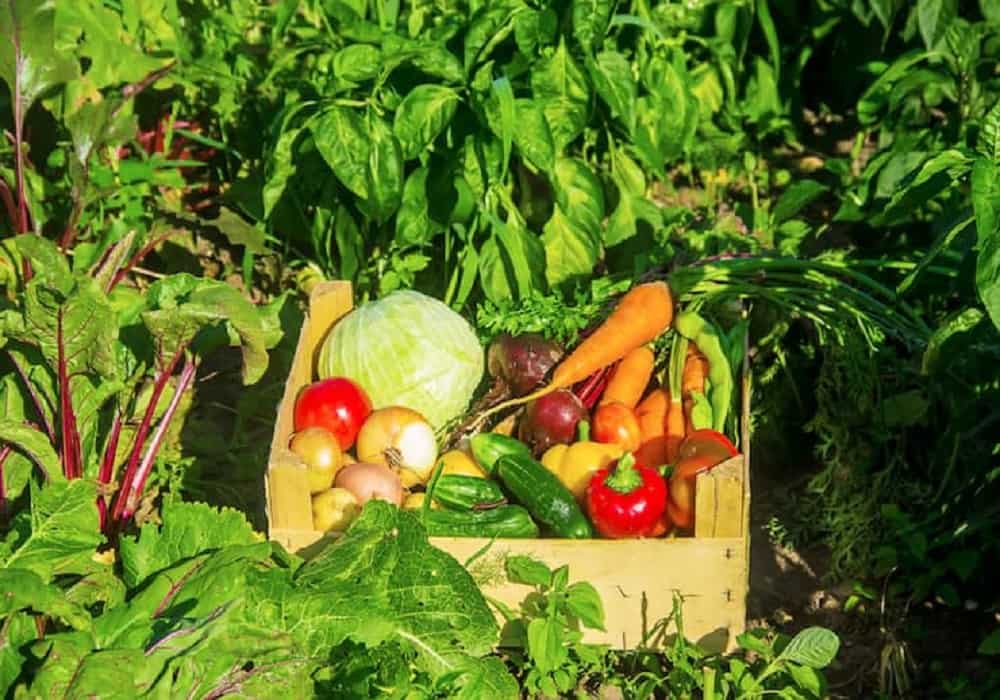
Growing your own vegetables at home is not just fun, it is also a healthy and cost effective way to enjoy fresh produce. But to get the best results, you need to choose the right vegetable garden plants. Picking the right plants can help you get a higher yield, better taste, and fewer problems with pests or diseases.
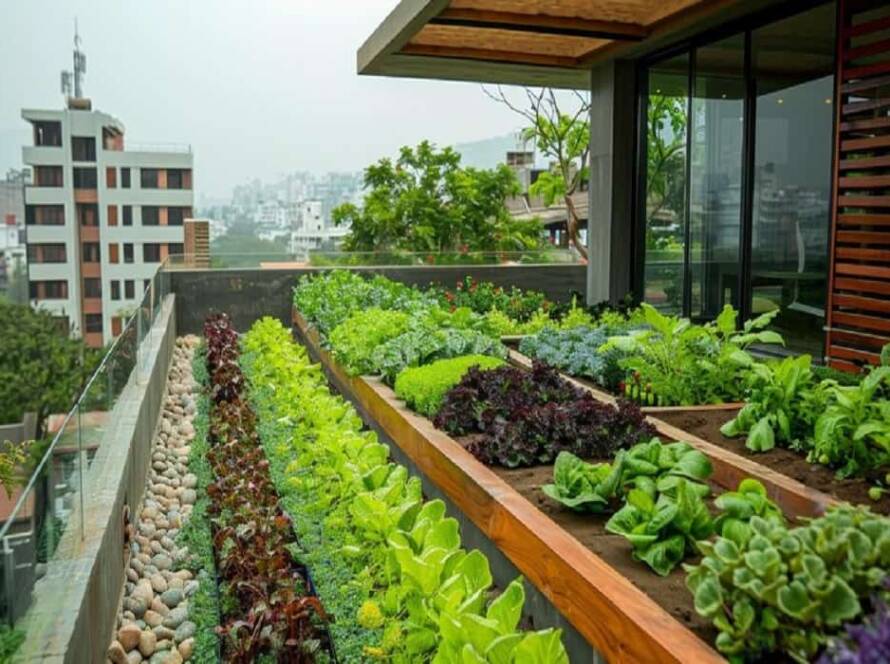
Whether you have a small terrace garden or a backyard plot, understanding the needs of each plant and your growing conditions is the key to a successful harvest.
Know Your Climate and Season
The first step in selecting vegetable garden plants is to understand your local climate and the season. Some vegetables grow best in cool weather, while others need plenty of sunlight and warmth.
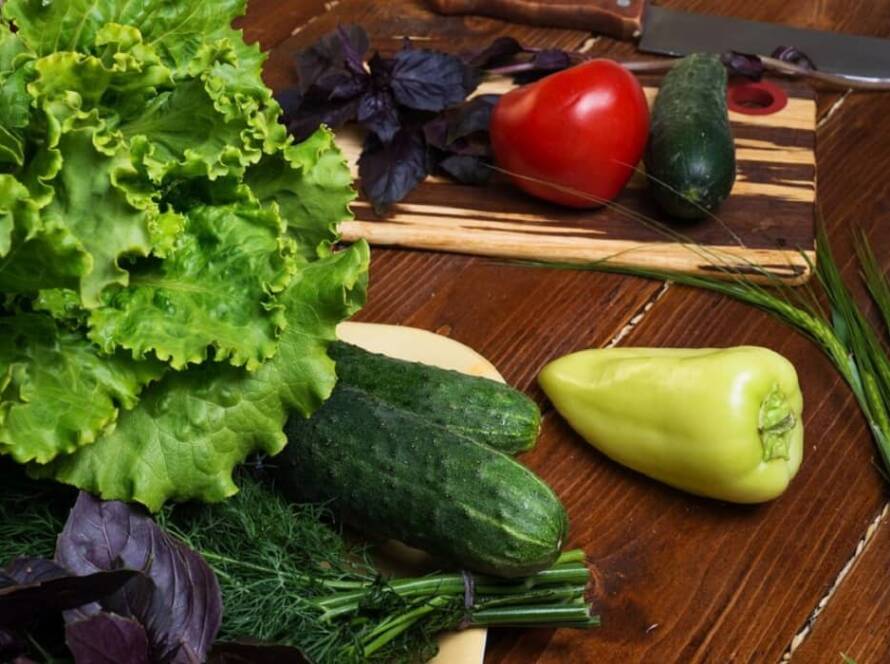
For cooler months, vegetables like spinach, lettuce, broccoli, peas, and cabbage thrive well. Warm season vegetables such as tomatoes, eggplants, capsicum, and cucumbers grow best when the days are sunny and warm. Planting according to the right season helps your vegetables grow stronger and produce more.
Consider Your Space and Sunlight
Before choosing plants, look at the space you have. Some vegetables need lots of room to spread, while others can grow well in pots or small raised beds.
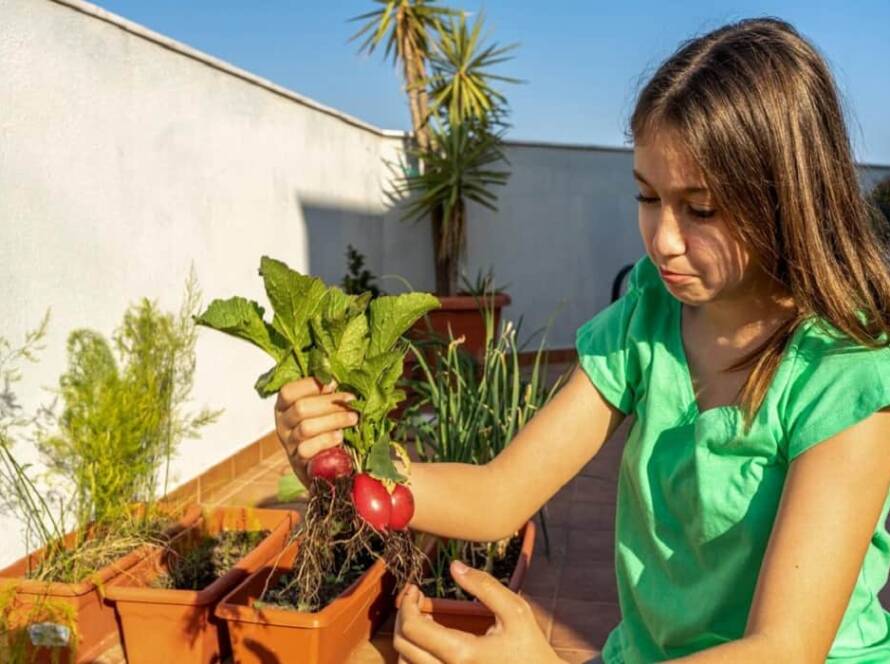
If you have limited space, you can grow lettuce, radishes, spinach, and herbs in pots or vertical gardens. Larger plots are suitable for tomatoes, gourds, pumpkins, and other plants that need more area to grow.
Sunlight is also very important. The majority of veggies require six hours or more of direct sunlight every day. Make sure to choose plants that suit the light conditions of your garden.
Choose Easy-to-Grow Plants for Beginners
If you are new to gardening, start with easy-to-grow vegetable garden plants. Radishes, beans, lettuce, and spinach are forgiving and grow quickly. They help build your confidence as you learn about watering, soil care, and pest control.
Once you feel comfortable, you can try plants like tomatoes, eggplants, and peppers that need a bit more care and attention.
Focus on High-Yield Varieties
Some vegetable varieties give more produce in the same space. Look for high-yielding varieties of tomatoes, beans, cucumbers, and spinach. This will help you make the most of your garden and enjoy plenty of fresh vegetables throughout the season.
Using good quality seeds or seedlings from trusted nurseries also increases the chances of healthy growth and better harvests.
Rotate Crops for Healthy Soil
To get maximum harvest, it’s important to rotate your crops every season. Planting the same vegetable in the same spot repeatedly can reduce soil nutrients and increase the risk of pests. Rotate leafy vegetables, root crops, and fruiting vegetables across different spots in your garden to keep the soil healthy.
Use Companion Planting
Companion planting is a natural way to improve growth and protect your vegetables from pests. Some plants grow well together and can help each other. For example, tomatoes grow well with basil and marigold, while carrots grow well with onions. Choosing companion plants along with your vegetable garden plants can improve yield and keep your garden healthy.
FAQs
Which vegetable garden plants are best for beginners?
Radishes, spinach, beans, and lettuce are easy to grow and maintain.
Can I grow vegetables in pots?
Yes, many vegetables like spinach, lettuce, tomatoes, and herbs can grow well in pots or small containers.
How much sunlight do vegetable plants need?
Most vegetables need around six hours of direct sunlight every day.
What is crop rotation and why is it important?
Crop rotation means changing the type of vegetable grown in a particular spot each season. It keeps the soil healthy and reduces pest problems.
How can I increase my harvest?
Choose high-yield varieties, use quality seeds, ensure proper sunlight and water, and practice crop rotation and companion planting.