In recent years, more and more people are turning towards sustainable living, and one of the best ways to start is by growing your own vegetables at home. Not only does it save money, but it also ensures you and your family eat fresh, chemical-free produce. Whether you have a backyard, balcony, or terrace, with the right tips for gardening at home, you can grow organic vegetables easily and enjoy a greener lifestyle.
This guide will provide practical, beginner-friendly advice to help you build and maintain a healthy home garden.
Why Gardening at Home Matters
Gardening at home is more than just a hobby—it’s a way to connect with nature, reduce stress, and promote a healthier lifestyle. By using natural fertilizers and organic practices, you ensure that your vegetables are safe, nutritious, and environmentally friendly. Plus, harvesting vegetables from your own garden is one of the most satisfying experiences.
Essential Tips for Gardening at Home
1. Choose the Right Location
One of the most important tips for gardening at home is selecting a proper spot for your plants. Every day, vegetables require at least five to six hours of direct sunlight. The ideal location is a backyard, terrace, or balcony that receives plenty of sunlight.
2. Start Small
Don’t take on too many plants if you’re just starting off. Begin with a few easy-to-grow vegetables such as tomatoes, spinach, coriander, or chili peppers. Once you gain confidence, expand your garden gradually.
3. Select Organic Seeds
Always opt for organic, non-GMO seeds to ensure healthy plants. Organic seeds produce higher yields without the use of dangerous chemicals and are inherently pest-resistant.
4. Use the Right Soil Mix
Healthy soil is the foundation of a thriving garden. Mix garden soil with compost, coco peat, and organic manure to make it nutrient-rich and well-draining. Avoid chemical fertilizers and instead use natural options like vermicompost.
5. Water Wisely
Overwatering or underwatering can harm plants. Check soil moisture regularly—if the top layer feels dry, it’s time to water. Use a spray bottle or watering can to provide gentle watering and avoid damaging seedlings.
6. Choose Suitable Containers
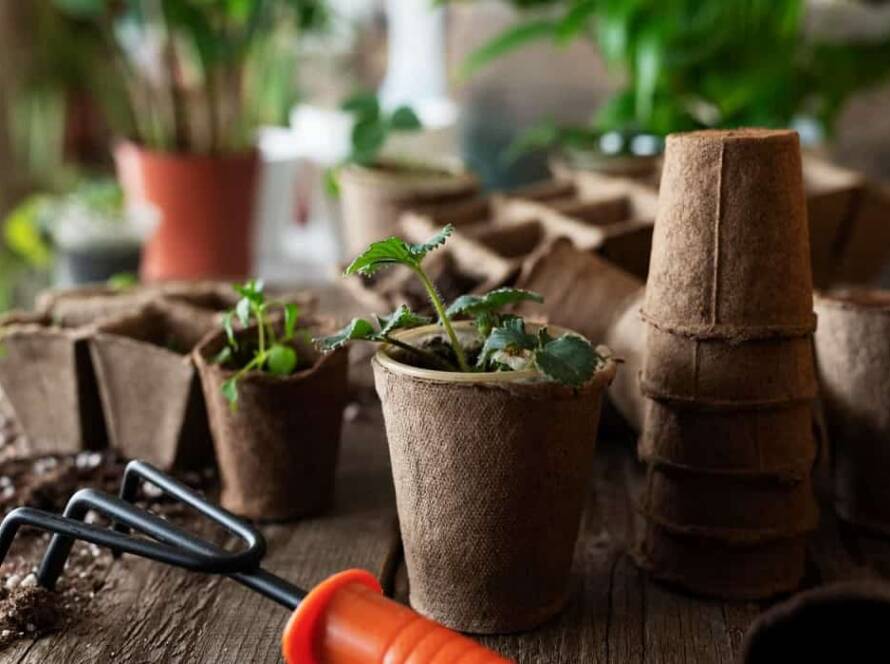
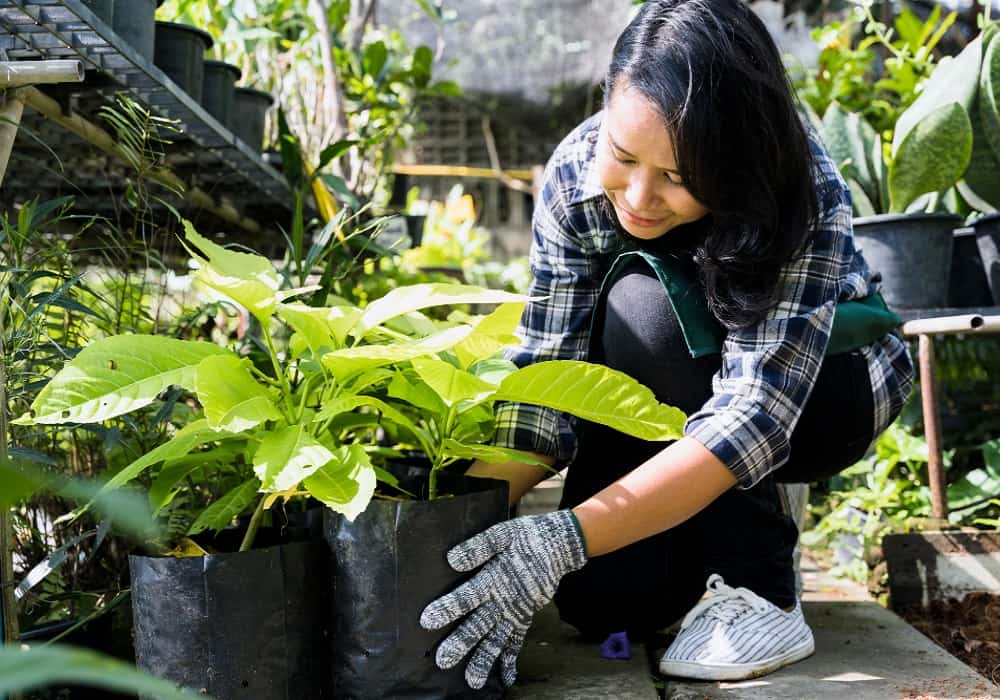
For balcony or terrace gardening, containers and pots are excellent choices. Use clay pots, plastic grow bags, or recycled buckets with proper drainage holes. Larger containers are ideal for deep-rooted plants like carrots and tomatoes.
7. Practice Crop Rotation
Growing the same vegetable in the same soil repeatedly can reduce nutrients. Rotate crops every season to maintain soil fertility and prevent pests.
8. Natural Pest Control
Instead of chemical sprays, use natural remedies like neem oil, garlic spray, or soap water to keep pests away. Companion planting—such as growing marigolds alongside vegetables—also helps repel harmful insects.
9. Regular Pruning and Weeding
Remove weeds regularly, as they compete with your vegetables for nutrients. Pruning dead leaves and branches also helps plants grow faster and healthier.
10. Composting Kitchen Waste
A sustainable way to nourish your garden is to create compost from kitchen scraps such as vegetable peels, fruit waste, and coffee grounds. This natural fertilizer enriches the soil and reduces household waste.
11. Provide Support for Plants
Climbers like beans, cucumbers, and tomatoes need support to grow. Use bamboo sticks, wires, or trellises to guide their growth.
12. Be Patient and Consistent
Gardening is a process that requires patience. With consistent care, your vegetables will thrive and provide you with a rewarding harvest.
Best Vegetables to Grow at Home
Here are some vegetables that grow easily with minimal care:
- Tomatoes 🍅 – Grow well in containers with good sunlight.
- Spinach & Lettuce 🥬 – Quick-growing leafy greens.
- Coriander & Mint 🌿 – Perfect for kitchen gardening.
- Chili Peppers 🌶️ – Easy to grow and high-yielding.
- Carrots & Radishes 🥕 – Great for beginners.
- Cucumbers 🥒 – Refreshing and grows fast with proper support.
Benefits of Following Tips for Gardening at Home
- Eat fresh and chemical-free vegetables.
- Save money on groceries.
- Reduce stress and improve mental health.
- Contribute to an eco-friendly lifestyle.
- Encourage kids and family members to learn about sustainability.
FAQs About Tips for Gardening at Home
Q1. What is the easiest vegetable to grow at home?
Spinach, tomatoes, and coriander are among the easiest vegetables to grow at home for beginners.
Q2. Do I need a big backyard for home gardening?
No, you can start gardening even in small spaces like balconies or terraces using pots, containers, or grow bags.
Q3. How do I keep pests away without chemicals?
Natural methods like neem oil spray, garlic spray, and companion planting are effective for controlling pests organically.
Q4. How often should I water my plants?
Most vegetables require watering once a day in summer and less in cooler months. Always check soil moisture before watering.
Q5. Can I grow vegetables indoors?
Yes, leafy greens like spinach, lettuce, and herbs like basil and mint grow well indoors with sufficient light or grow lamps.
Final Thoughts
Gardening at home is an enriching activity that not only provides fresh food but also promotes a healthier lifestyle. With these tips for gardening at home, you can start small and gradually build a thriving organic vegetable garden. All it takes is the right soil, seeds, sunlight, and care to enjoy the joy of harvesting your own food.
By making home gardening a part of your routine, you not only improve your health but also contribute to a greener planet. So, roll up your sleeves, grab your gardening tools, and begin your journey towards sustainable living today!