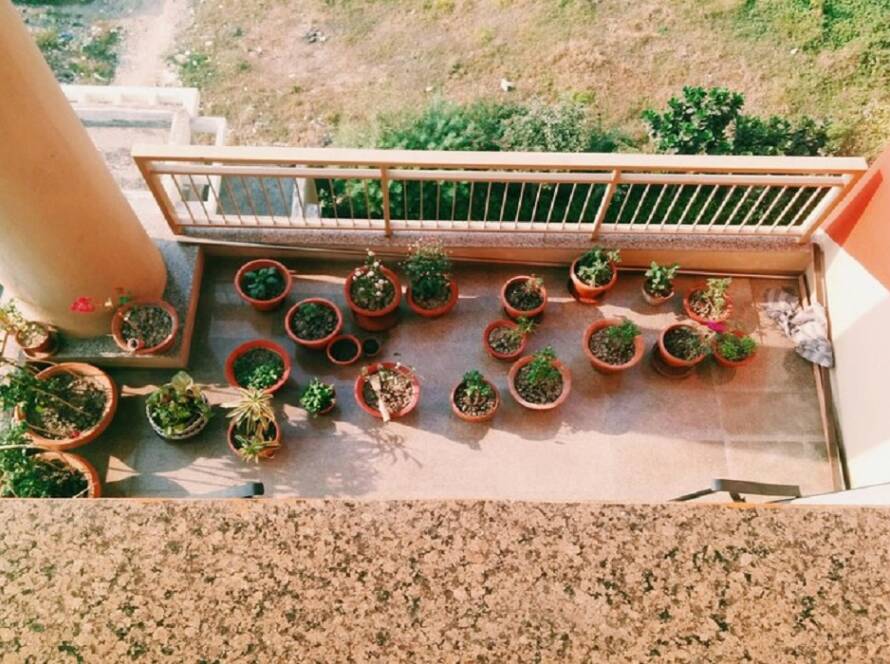
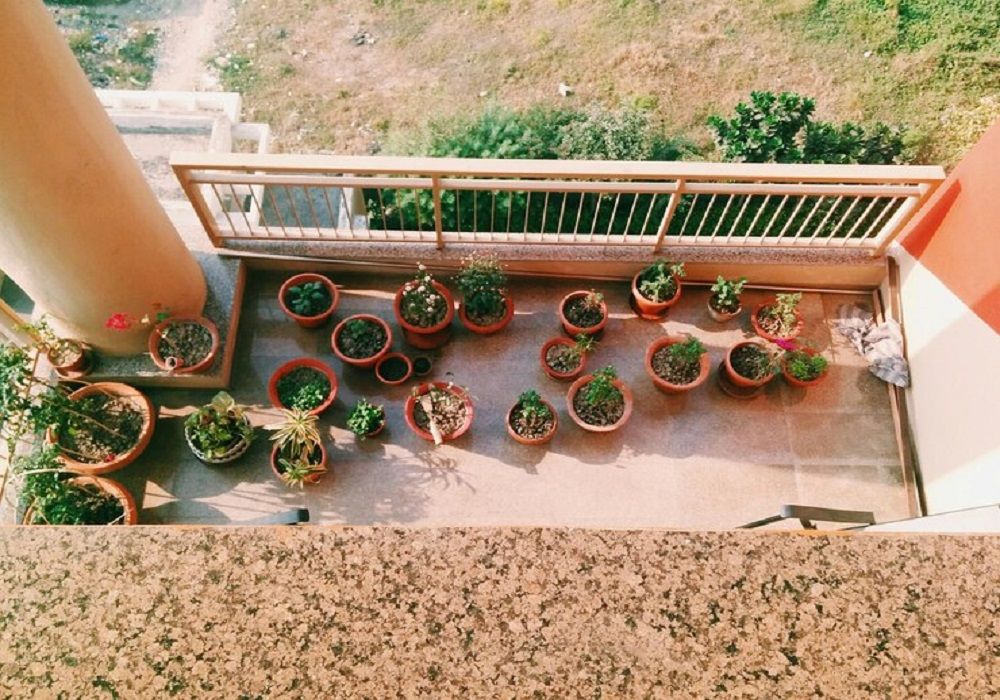
In India, where urban spaces are shrinking and apartments are rising, a terrace vegetable garden is a perfect solution for city dwellers who wish to grow their own food. Not only does it promote healthy eating, but it also brings you closer to nature. This article offers practical and inspiring terrace vegetable garden ideas in India that work for all types of urban homes.
Why Choose a Terrace Vegetable Garden?
Terrace vegetable gardening allows people to utilize unused rooftop spaces efficiently. It’s eco-friendly, cost-effective, and a step toward sustainable living. Growing your own vegetables also ensures you get fresh, organic produce right at your doorstep.
Getting Started: Basics for Terrace Vegetable Gardening
Before diving into ideas, it’s important to understand the basics:
- Sunlight: Most vegetables require at least 5–6 hours of sunlight.
- Soil: Use nutrient-rich, well-draining potting mix with compost.
- Containers: Opt for grow bags, plastic tubs, wooden boxes, or recycled buckets.
- Watering: Regular but moderate watering is essential.
- Drainage: Make sure all containers have holes for proper water drainage.
Top Terrace Vegetable Garden Ideas in India
1. Vertical Gardening
If you’re low on space, go vertical! Use wall-mounted racks, old ladders, or hanging pots to grow climbers like beans, tomatoes, and cucumbers. This idea saves space and adds visual interest.
2. Raised Bed Garden on Terrace
Build raised beds using bricks or wood on a waterproof base. You can grow leafy vegetables like spinach, fenugreek (methi), lettuce, and coriander. Raised beds improve drainage and help in better root development.
3. Container Gardening
Containers are ideal for terrace vegetable gardens in India. Use large pots or grow bags to plant brinjal, chilies, bottle gourd, and even carrots. Group your plants by water and sunlight needs for better maintenance.
4. DIY Recycled Garden
Use old buckets, paint cans, water bottles, and kitchen containers. Drill holes for drainage, fill them with soil, and plant herbs or small veggies like mint, basil, or cherry tomatoes.
5. Trellis System for Climbing Veggies
Install a bamboo or iron trellis to support vines such as bitter gourd, snake gourd, or ridge gourd. This helps save space while maximizing yield.
6. Hydroponic Terrace Gardening
Hydroponics is a fantastic technique for tech-savvy gardeners to raise veggies without soil. Hydroponic systems provide a clean, contemporary growing alternative for lettuce, herbs, and leafy greens.
Best Vegetables to Grow on Indian Terraces
Here are some easy and productive veggies for Indian conditions:
- Tomatoes – Need sun and well-drained soil
- Chilies – Grow well in pots; minimal care
- Spinach & Methi – Quick-growing and easy to harvest
- Coriander & Mint – Perfect for daily kitchen use
- Cucumber & Bottle Gourd – Ideal for trellis gardening
- Brinjal & Okra (Bhindi) – High-yielding and space-efficient
Maintenance Tips for Your Terrace Garden
- Use organic compost made from kitchen waste.
- Mulch the soil to retain moisture during summer.
- Regularly check for pests and use neem oil spray as a natural repellent.
- Rotate crops to keep the soil healthy and prevent nutrient loss.
Benefits of Terrace Vegetable Gardening
- Healthier Eating: Fresh, pesticide-free produce.
- Stress Relief: A calming and therapeutic hobby.
- Waste Reduction: Reuse kitchen and garden waste effectively.
- Eco-Friendly: Helps reduce carbon footprint and urban heat.
How to Prepare Your Terrace Garden for the Monsoon
- Ensure waterproofing is in place to avoid roof leakage.
- Elevate pots to avoid waterlogging.
- Install a proper drainage system.
- Use rainwater harvesting techniques where possible.
Frequently Asked Questions (FAQs)
Q1. Do I need permission to start a terrace garden in India?
A1. In most residential societies, you don’t need special permission unless there are structural restrictions. However, it’s good to check with your society’s guidelines.
Q2. Can heavy containers damage my roof?
A2. It’s best to use lightweight containers and limit the number of heavy pots. Raised beds or areas with soil-filled troughs should be supported by a proper structural evaluation.
Q3. How can I make compost at home?
A3. Use a compost bin to collect kitchen waste like vegetable peels, fruit skins, coffee grounds, and dry leaves. Mix regularly, and you’ll have compost in 4–6 weeks.
Q4. What’s the best way to protect my plants from pests?
A4. Regular monitoring and spraying neem oil or garlic spray can help. Companion planting (e.g., planting marigold with vegetables) also keeps pests away.
Q5. Is drip irrigation good for terrace gardens?
A5. Yes, drip irrigation saves water and provides steady moisture to plants, making it ideal for rooftop gardens.
Final Thoughts
A little effort and careful design may transform even a tiny terrace into a verdant haven. These terrace vegetable garden ideas in India not only bring freshness to your meals but also to your life. Whether you’re a beginner or a seasoned gardener, there’s always something new to grow and learn.