Gardening is one of the most rewarding hobbies you can start, especially if you live in India where the climate and soil conditions support a wide variety of plants. Whether you want to grow vegetables, fruits, herbs, or flowers, starting your own garden brings joy, health benefits, and even fresh food to your home. If you are new to this green journey, this guide on gardening for beginners in India will help you understand the basics, avoid common mistakes, and grow a thriving garden.
Why Gardening is Perfect for Beginners in India
India’s diverse climate—from tropical regions to cooler hilly areas—makes it possible to grow different types of plants throughout the year. Moreover, gardening does not require large spaces. Even if you live in a small apartment, balcony or terrace gardening is a great option. With minimal investment and proper care, you can enjoy fresh produce and beautiful greenery at home.
Some key benefits of gardening for beginners in India include:
- Fresh, organic vegetables and fruits grown at home.
- Stress relief and mental health benefits from spending time with nature.
- Improved air quality with indoor and outdoor plants.
- Cost savings on buying vegetables, herbs, and decorative plants.
Essential Gardening Tools for Beginners in India
Before you start your garden, make sure you have the basic tools. You don’t need to buy everything at once, but a few essentials will make your work easier:
- Garden gloves – to protect your hands.
- Watering can or spray bottle – for regular watering.
- Trowel and hand fork – for planting and loosening soil.
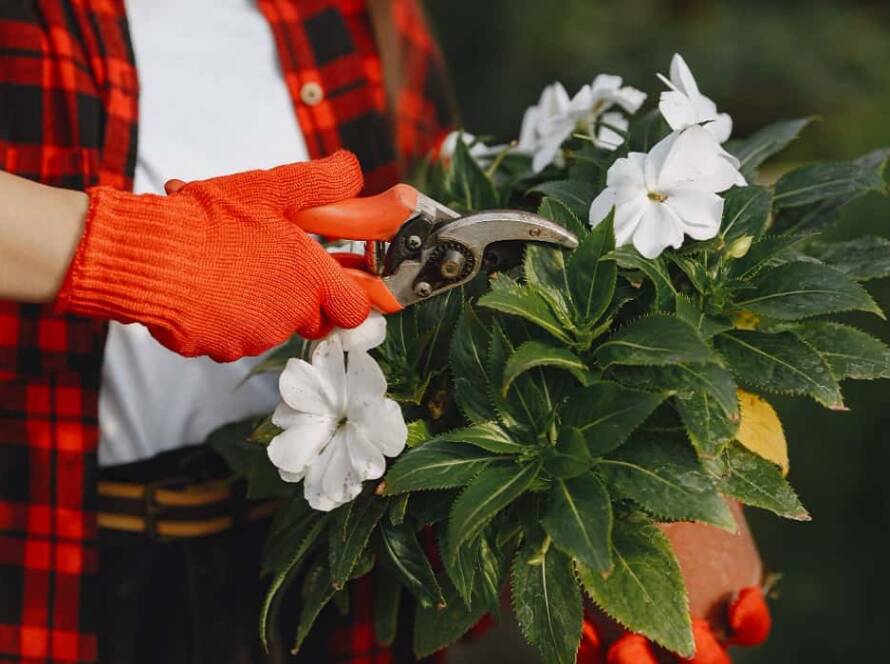
- Pruners or scissors – to trim plants.
- Pots and containers – if you are doing balcony or terrace gardening.
These tools are easily available online or at local nurseries in India at affordable prices.
Best Plants for Gardening Beginners in India
When starting your garden, it’s best to choose plants that are easy to grow and require less maintenance. Some beginner-friendly options include:
Vegetables
- Tomatoes
- Spinach (Palak)
- Coriander (Dhaniya)
- Green chilies
- Fenugreek (Methi)
Herbs
- Mint (Pudina)
- Tulsi (Holy Basil)
- Curry leaves
- Lemongrass
Flowers
- Marigold
- Hibiscus
- Sunflower
- Jasmine
These plants adapt well to Indian climates and grow quickly, which keeps beginners motivated.
Step-by-Step Gardening Guide for Beginners in India
Here’s how you can start your gardening journey:
1. Choose the Right Location
Select a place with at least 4–6 hours of sunlight. Balcony, terrace, backyard, or even a sunny window works well.
2. Select the Right Soil
Healthy soil is the foundation of good gardening. For container gardening, use a mix of garden soil, compost, and cocopeat in equal parts. This ensures proper drainage and nutrient supply.
3. Pick Easy Plants First
Start with low-maintenance plants like spinach, tomatoes, or herbs. Once you gain experience, you can experiment with seasonal vegetables and flowering plants.
4. Watering the Plants
Overwatering is a common mistake in gardening for beginners in India. Always check the soil before watering. If the top layer feels dry, water the plant lightly.
5. Use Organic Fertilizers
Instead of chemical fertilizers, try natural compost, cow dung, or homemade kitchen waste manure. This keeps plants healthy and soil fertile.
6. Protect Plants from Pests
Use natural remedies like neem oil spray or garlic spray to keep away pests. Avoid harmful chemicals, especially if you are growing vegetables.
7. Maintain Your Garden
Prune dead leaves, change pots if plants outgrow them, and rotate crops seasonally. Regular care helps plants grow strong and healthy.
Seasonal Gardening Tips for Beginners in India
- Summer (March–June): Grow heat-tolerant crops like cucumber, brinjal, okra, and marigolds. Water plants daily due to high evaporation.
- Monsoon (July–September): Focus on leafy vegetables like spinach, methi, and bottle gourd. Ensure proper drainage to avoid root rot.
- Winter (October–February): Ideal for peas, carrots, radishes, cauliflower, and roses. Sunlight is crucial during this season.
Following seasonal cycles ensures better yield and healthier plants.
Common Mistakes to Avoid in Gardening for Beginners India
- Overwatering plants, which leads to root damage.
- Using poor-quality soil without compost.
- Planting too many varieties at once instead of starting small.
- Ignoring pests until they spread.
- Not providing enough sunlight.
By avoiding these mistakes, you’ll save time and effort while ensuring a healthy garden.
Eco-Friendly Gardening Practices in India
As a beginner, it’s good to adopt sustainable gardening habits:
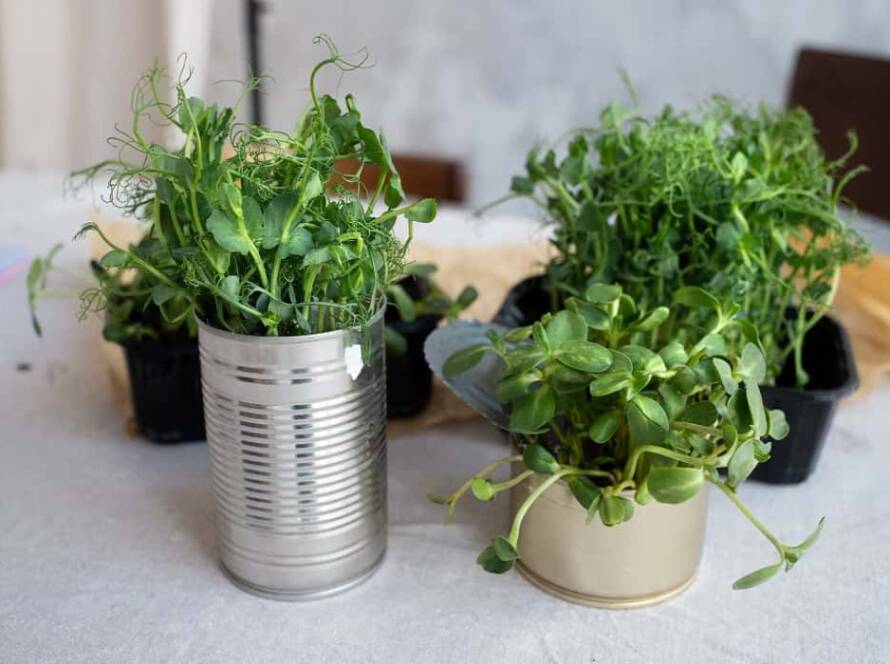
- Reuse plastic bottles or containers as pots.
- Compost kitchen waste like vegetable peels.
- Collect rainwater for watering plants.
- Use natural fertilizers instead of chemical ones.
These practices not only save money but also promote eco-friendly living.
FAQs on Gardening for Beginners in India
1. What is the best season to start gardening in India?
The best time to start gardening in India is during the winter season (October to February) when temperatures are moderate, and most vegetables and flowers grow well.
2. Can gardening be done in small spaces like apartments?
Yes, balcony and terrace gardening are very popular in India. You can grow herbs, small vegetables, and flowering plants in pots and containers.
3. How often should beginners water their plants?
Most plants need watering once a day in summer and every 2–3 days in winter. However, always check the soil moisture before watering.
4. Which vegetables are easiest for beginners in India?
Tomatoes, spinach, coriander, green chilies, and methi are some of the easiest vegetables for gardening beginners in India.
5. Do I need to use fertilizers for home gardening?
Yes, but you can use natural options like compost, vermicompost, or cow dung manure instead of chemical fertilizers.
Conclusion
Starting your green journey is simple when you follow the right steps. With basic tools, the right soil mix, easy-to-grow plants, and regular care, anyone can succeed in gardening for beginners in India. Gardening is not just about growing plants—it’s about growing happiness, health, and sustainability in your daily life. So, pick up a pot, add some soil, plant a seed, and watch your garden bloom!