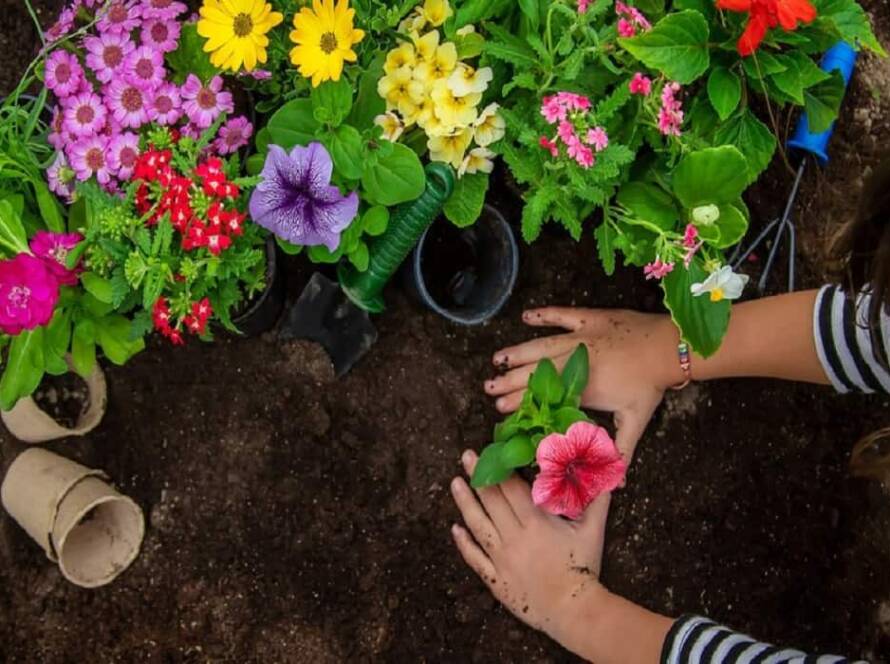
Growing your own food is not just a hobby anymore. For many families, it is a smart way to save money and enjoy fresh, chemical free produce at home. If you have a balcony, terrace, or even a small corner near a window, you can grow profitable kitchen garden vegetables in India without needing a large field. With proper planning and care, small spaces can give you regular harvests and even extra income.
In India’s diverse climate, many vegetables grow easily throughout the year. The key is to choose the right crops that give good yield, grow quickly, and require less space.
Why Grow Kitchen Garden Vegetables in Small Spaces
Small space gardening is perfect for city homes and apartments. Many people in metro cities like Mumbai, Delhi, Jaipur, and Bengaluru are turning balconies into mini farms. Growing kitchen garden vegetables in India at home gives you several benefits:
- Fresh and safe vegetables for daily cooking
- Savings on monthly grocery bills
- Extra income if you sell surplus produce
- Less dependence on market price fluctuations
- Stress relief and a healthy hobby
Even with five to ten grow bags, you can grow enough vegetables for a small family.
Best Profitable Kitchen Garden Vegetables in India
Let us look at some vegetables that are ideal for small spaces and also give good returns.
1. Spinach
Spinach is one of the fastest growing leafy vegetables. It is ready for harvest within 25 to 30 days. It grows well in shallow containers and can be cut multiple times. Since spinach is used regularly in Indian cooking, you always have a demand at home or in local markets.
2. Coriander
Coriander is a must in every Indian kitchen. It grows easily in pots and requires minimal care. The leaves can be harvested within 3 to 4 weeks. Because it is used daily for garnishing and chutneys, selling fresh bunches can bring steady income.
3. Green Chillies
Green chillies grow well in small pots and produce continuously for months. A single healthy plant can give dozens of chillies. Since chillies are used in almost every dish, they are among the most practical kitchen garden vegetables in India for small spaces.
4. Tomatoes
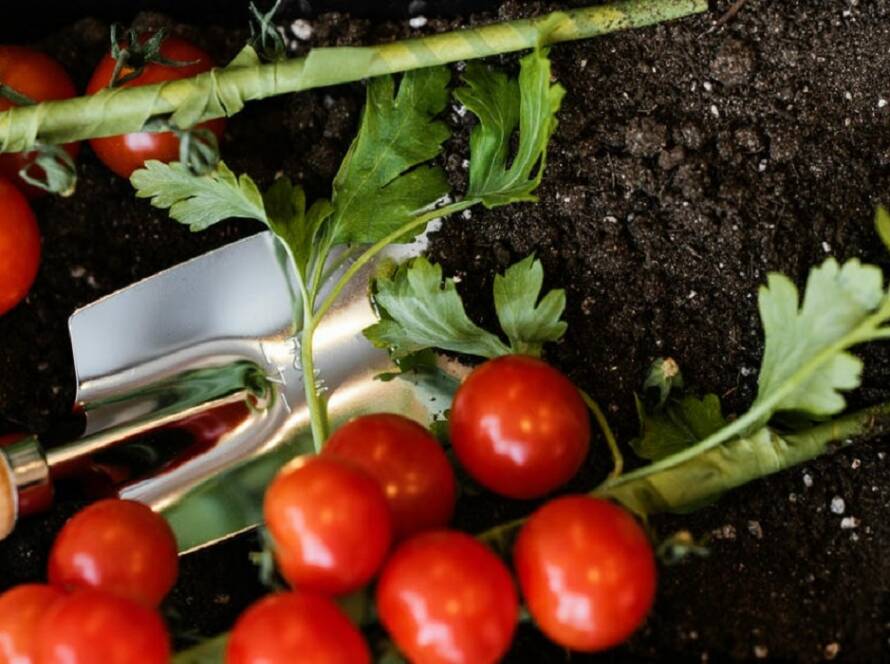
Cherry tomatoes and small desi varieties are perfect for terrace or balcony gardens. They grow vertically, saving space. With proper sunlight and support, tomato plants yield generously. Tomatoes have high market demand and can be sold locally.
5. Okra
Okra grows well in warm Indian weather and needs limited space. Each plant produces several pods over weeks. It is a favourite vegetable in Indian households, making it both useful and profitable.
6. Fenugreek
Fenugreek leaves are quick to grow and can be harvested within a month. It grows densely in trays and does not require deep containers. Since it is healthy and popular, you can grow it continuously.
7. Radish
Radish grows quickly and does not require much care. Short varieties are suitable for pots. Both leaves and roots are useful, increasing its value.
Tips to Increase Profit in Small Spaces
Growing vegetables is easy, but making it profitable needs planning. Here are some simple tips:
Use Vertical Gardening
Install vertical racks or hanging pots. This helps you grow more plants in less space. Creepers like bottle gourd and bitter gourd can grow upward, saving ground area.
Choose Seasonal Crops
India has different growing seasons. Choose vegetables based on summer, winter, and monsoon cycles. Seasonal crops grow better and give higher yield.
Use Organic Compost
Kitchen waste compost reduces fertilizer cost. Healthy soil leads to better production, which increases profit.
Save Seeds
Collect seeds from healthy plants for the next cycle. This reduces dependency on buying new seeds every season.
Sell Locally
You can sell extra vegetables to neighbours, friends, or through local WhatsApp groups. Fresh home grown produce often attracts buyers.
Investment and Returns
Starting a small kitchen garden in India does not require heavy investment. Basic needs include:
- Grow bags or pots
- Good quality soil and compost
- Seeds
- Water supply
The total starting cost can be affordable. Over time, your savings on grocery shopping itself can recover the cost. If you grow high demand vegetables regularly, you can even earn a small side income.
For example, if you harvest 2 to 3 kilograms of tomatoes in a month from a few plants, you save money that would otherwise go to the market. Multiply this with spinach, chillies, and coriander, and the benefits become clear.
Common Mistakes to Avoid
Many beginners make simple errors that affect profit:
- Overwatering plants
- Using poor quality soil
- Ignoring sunlight requirements
- Planting too many crops at once
Start with 4 to 5 vegetables and learn from experience. Gradually expand your kitchen garden.
Conclusion
Growing profitable kitchen garden vegetables in India for small spaces is practical and rewarding. You do not need farmland to enjoy fresh vegetables or save money. Even a small balcony can turn into a productive green space with the right choices. Spinach, coriander, tomatoes, chillies, and okra are excellent options for beginners and experienced gardeners alike.
With patience, proper care, and smart planning, your small kitchen garden can reduce expenses and even create extra income. More importantly, it brings health, freshness, and satisfaction to your daily life.
FAQs
1. Which are the most profitable kitchen garden vegetables in India?
Spinach, coriander, tomatoes, green chillies, and okra are among the most profitable options due to high demand and regular harvest.
2. Can I grow kitchen garden vegetables in India without a terrace?
Yes, many vegetables grow well in balconies, window spaces, or even indoors with proper sunlight.
3. How much sunlight is required for kitchen garden vegetables in India?
Most vegetables need at least 4 to 6 hours of direct sunlight daily for healthy growth.
4. Is kitchen gardening profitable in India?
Yes, it helps reduce grocery expenses and can generate extra income if surplus produce is sold locally.
5. What is the best season to start growing vegetables at home?
You can start any season by selecting suitable crops. Winter and early spring are usually best for beginners in many parts of India.