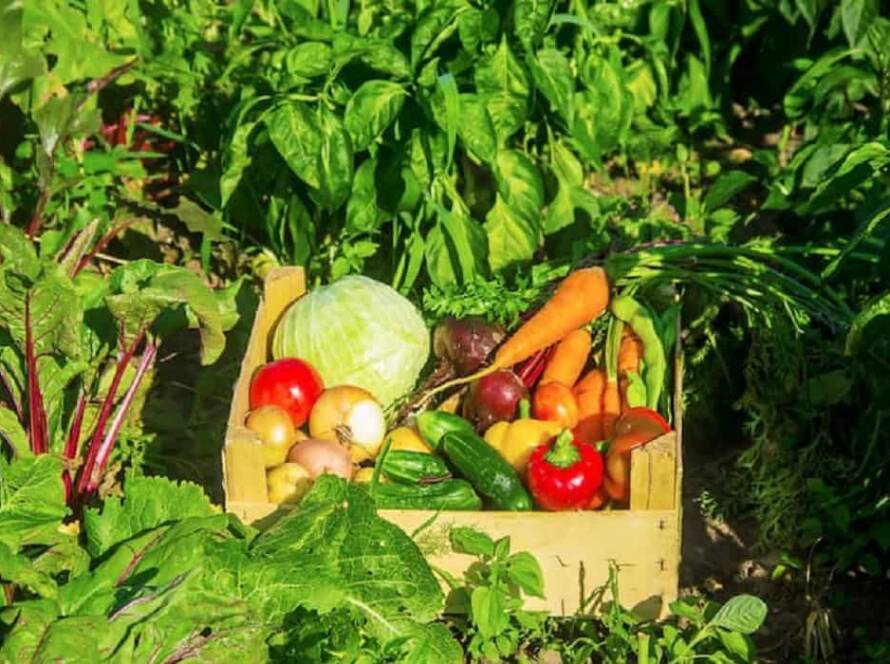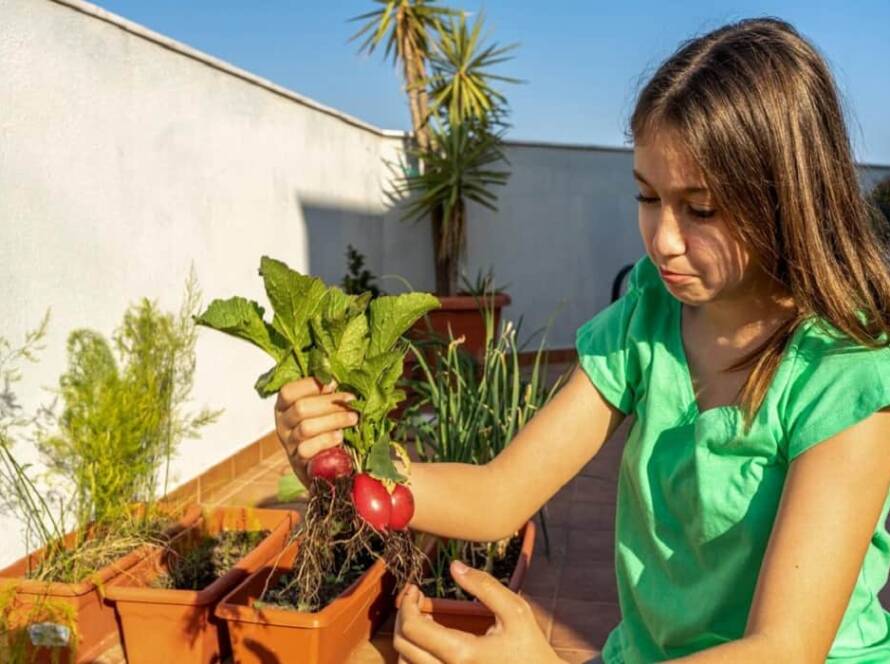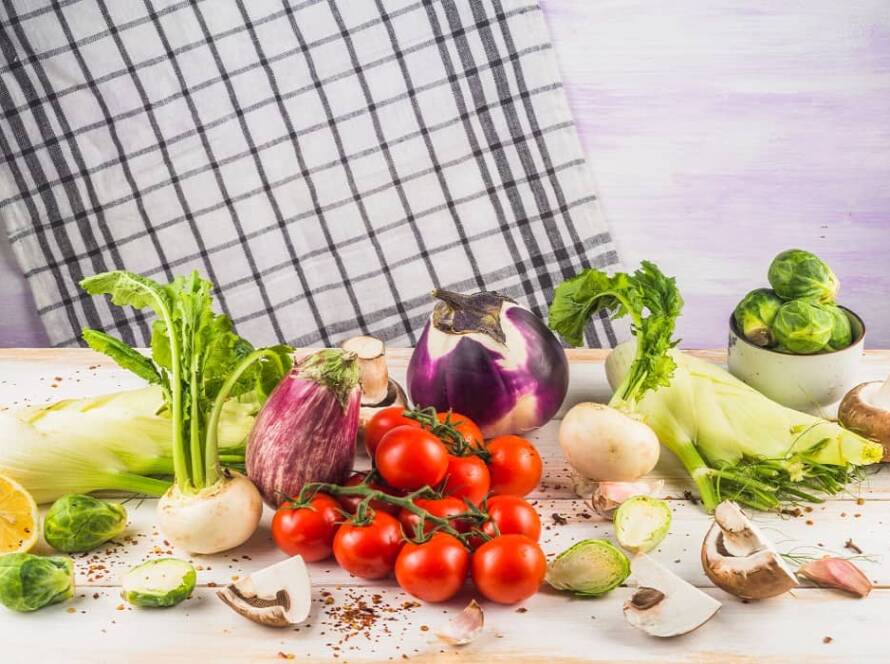
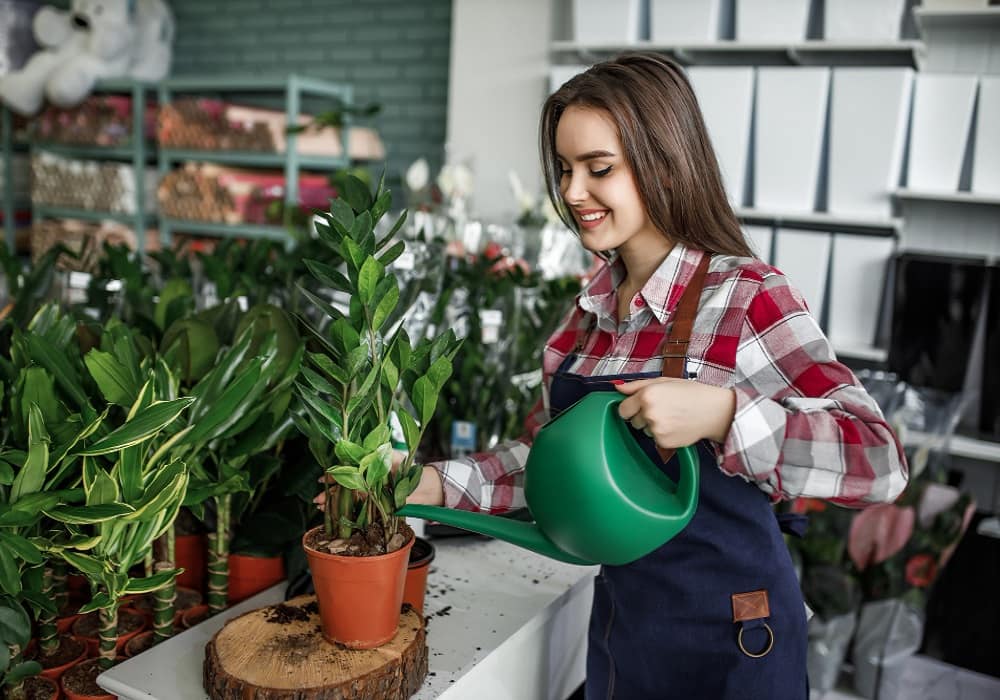
Growing your own fruits and vegetables is one of the best feelings ever. You know exactly what goes into your food, and you can enjoy fresh produce right from your balcony or backyard. In today’s time, when chemical based farming is common, many families are choosing organic methods. If you are also planning to start, these practical tips for gardening at home will help you grow safe and healthy produce without using harmful chemicals.
Let us understand how you can begin your organic gardening journey in a simple and effective way.
Choose the Right Location
The first and most important step in following useful tips for gardening at home is selecting the right place. Most vegetables and fruits need at least 5 to 6 hours of sunlight daily. Look for a sunny balcony, terrace, or corner of your backyard.
Make sure the area has good airflow and proper drainage. Plants do not like standing water, so avoid spots where rainwater collects easily.
Start with Healthy Soil
Healthy soil is the base of organic gardening. Instead of using chemical fertilizers, enrich your soil naturally. Mix garden soil with compost, cocopeat, and a small amount of sand to improve texture and drainage.
You can prepare compost at home using kitchen waste like vegetable peels, fruit scraps, and tea leaves. This is one of the most effective tips for gardening at home because compost improves soil fertility and supports strong plant growth.
Select Seasonal and Local Seeds
Choose seeds that are suitable for your local climate. In India, weather conditions change from region to region, so always prefer seasonal seeds. For example, grow spinach, coriander, and carrots in winter, while okra, tomatoes, and chillies grow well in summer.
Opt for organic and open pollinated seeds whenever possible. They are more natural and adapt better to your environment.
Use Natural Fertilizers
Chemical fertilizers may give quick results, but they can harm the soil in the long run. Instead, use natural options such as:
- Vermicompost
- Cow dung manure
- Neem cake
- Homemade compost
These natural fertilizers provide nutrients slowly and keep your plants healthy. Following organic tips for gardening at home ensures your produce remains chemical free and safe for your family.
Water Plants the Right Way
Watering seems simple, but overwatering is one of the most common mistakes beginners make. Water your plants early in the morning or in the evening. This reduces evaporation and helps plants absorb moisture properly.
Check the soil before watering. If the top layer feels dry, then water. If it is still moist, wait for a day. Proper watering is one of the most important tips for gardening at home to prevent root rot and fungal infections.
Control Pests Naturally
In organic gardening, you should avoid chemical pesticides. Instead, use natural pest control methods such as:
- Neem oil spray
- Garlic and chilli spray
- Soap water solution
- Companion planting
Planting marigold near vegetables helps repel many insects. These natural methods protect plants without affecting the safety of your produce.
Practice Crop Rotation
If you are growing vegetables in pots or raised beds, avoid planting the same crop in the same soil repeatedly. Crop rotation helps maintain soil nutrients and reduces the chances of diseases.
For example, after growing tomatoes, try planting beans or leafy greens in the same container. This simple practice is one of the underrated tips for gardening at home that keeps your garden productive.
Pruning and Regular Care
Regularly remove dry leaves and damaged branches. Pruning helps plants grow better and improves air circulation. It also reduces pest attacks.
Spend a few minutes daily checking your plants. Early detection of issues makes them easier to control naturally.
Start Small and Be Patient
Many beginners make the mistake of starting with too many plants. Begin with 4 to 5 easy vegetables such as spinach, mint, coriander, or chillies. Once you gain confidence, slowly expand your garden.
Organic gardening takes time. Results may not appear overnight, but the reward of fresh and safe produce makes the effort worth it.
Benefits of Organic Gardening at Home
Following these tips for gardening at home offers several benefits:
- Chemical free fruits and vegetables
- Better taste and nutrition
- Cost savings in the long run
- Stress relief and improved mental health
- A greener and cleaner environment
Growing your own food also creates awareness in children about healthy eating and nature.
Conclusion
Organic gardening is not complicated. With the right approach and consistent care, anyone can grow safe and fresh produce at home. By following simple and practical tips for gardening at home, you can create a healthy space for your family while contributing to the environment.
Start small, stay patient, and enjoy the joy of harvesting your own chemical free vegetables. Once you begin, gardening will become more than just a hobby. It will become a healthy lifestyle.
FAQs
1. What are the best beginner tips for gardening at home?
Start with easy plants, use good quality soil, water properly, and prefer organic fertilizers. Choose seasonal vegetables for better results.
2. How can I make organic fertilizer at home?
You can make compost using kitchen waste like vegetable peels, fruit scraps, and tea leaves. Allow them to decompose in a closed container for a few weeks.
3. How often should I water my garden plants?
Water when the top layer of soil feels dry. Usually, once a day is enough in summer and less frequently in winter.
4. How can I control pests without chemicals?
Use neem oil spray, garlic spray, or soap water solution. Companion planting like marigold also helps keep pests away.
5. Is organic gardening expensive?
No, it can actually save money. You can reuse kitchen waste for compost and grow vegetables at home, reducing grocery expenses.