Growing your own food is no longer just a hobby. For many Indian families, an organic kitchen garden has become a smart and healthy lifestyle choice. With rising vegetable prices and concerns about chemicals, more people now prefer fresh produce grown at home. The good news is that starting and maintaining a kitchen garden is much easier than most people think.
Whether you have a small balcony, terrace, or even a window sill, you can grow fresh vegetables and herbs naturally. Let us explore some simple but powerful secrets that can help every home build a successful organic kitchen garden.
Why an Organic Kitchen Garden Matters
An organic kitchen garden gives you full control over what you eat. You know exactly how your vegetables are grown, what goes into the soil, and when they are harvested. This means no harmful pesticides, no artificial chemicals, and more nutrition on your plate.
Apart from health benefits, a kitchen garden also helps reduce monthly grocery expenses. It encourages sustainable living and brings a refreshing green touch to urban homes. Additionally, gardening keeps you in touch with nature and lowers stress.
Secret 1: Start Small and Grow Slowly
One of the biggest mistakes beginners make is starting too big. An organic kitchen garden should begin with a few easy plants. Leafy vegetables like spinach, coriander, mint, fenugreek, and lettuce grow quickly and need less maintenance.
Once you gain confidence, you can move on to tomatoes, chillies, brinjal, okra, and gourds. A small but healthy kitchen garden is far better than a large one that becomes hard to manage.
Secret 2: Healthy Soil Is the Foundation
Good soil is the heart of any successful kitchen garden. Plants depend on soil for nutrients, water, and strong root growth. For organic gardening, avoid chemical fertilizers completely.
For improved drainage, combine garden soil, compost, and sand or coco peat. Homemade compost made from kitchen waste like vegetable peels and tea leaves works wonders. Rich soil ensures healthy plant growth and better yield.
Secret 3: Choose the Right Containers or Space
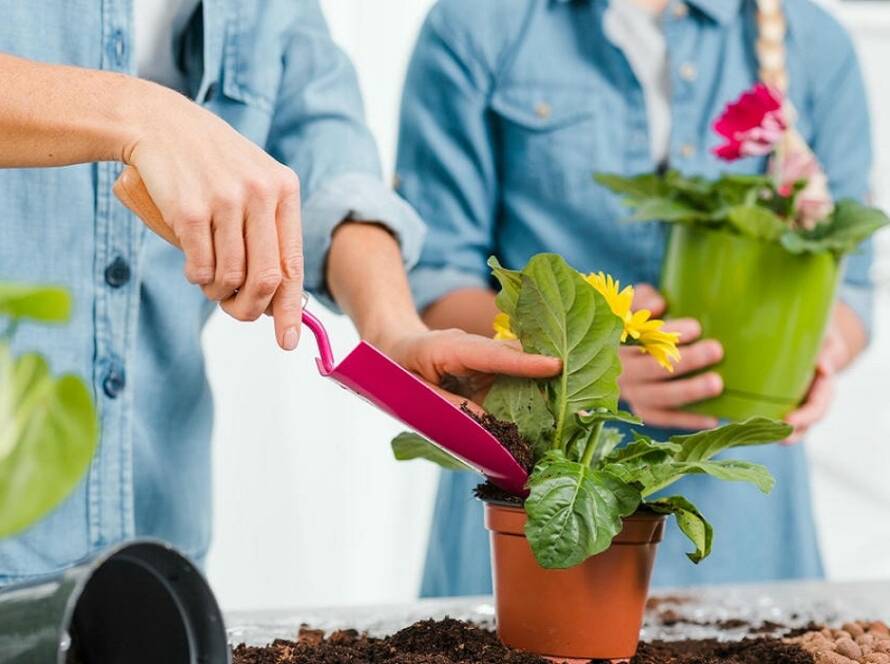
You do not need a big garden to start a kitchen garden. Old buckets, pots, grow bags, plastic containers, and even recycled bottles can be used. Make sure every container has proper drainage holes.
If you have a terrace or backyard, raised beds are a great option. Place your plants where they get at least 4 to 6 hours of sunlight daily. Sunlight plays a key role in the success of an organic kitchen garden.
Secret 4: Water Smartly, Not Daily
Overwatering is a common reason plants die in a kitchen garden. Water plants only when the topsoil feels dry. Watering is best done in the early morning or late at night.
Each plant has different water needs. Leafy greens need more moisture, while fruit plants prefer well-drained soil. Smart watering keeps roots healthy and prevents fungal diseases.
Secret 5: Natural Pest Control Works Best
Organic kitchen gardening means no chemical sprays. Instead, rely on natural pest control methods. Neem oil spray, garlic-chilli solution, and soap water spray are safe and effective.
Encourage beneficial insects like ladybugs and bees. Healthy plants are naturally more resistant to pests. Regularly check leaves for signs of damage and act early.
Secret 6: Seasonal Planning Makes Gardening Easy
Understanding seasons is a big advantage in a kitchen garden. Grow vegetables according to Indian weather conditions. For example, spinach, peas, and carrots grow well in winter, while okra, tomatoes, and gourds thrive in summer.
Seasonal vegetables grow faster, need less care, and give better harvests. Planning your kitchen garden based on seasons saves time and effort.
Secret 7: Harvesting Regularly Boosts Growth
Do not wait too long to harvest vegetables. Regular harvesting encourages plants to produce more. Cut leafy greens from the outer side and allow the center to regrow.
Fresh harvesting also ensures better taste and nutrition. A well-managed kitchen garden keeps giving produce for months.
Frequently Asked Questions
Can I start a kitchen garden without prior experience?
Yes, a kitchen garden is perfect for beginners. Start with easy plants, follow basic care tips, and you will learn quickly with practice.
How much space is needed for a kitchen garden?
Very little space is needed. Even a small balcony or window area can support a simple kitchen garden.
Is compost necessary for an organic kitchen garden?
Yes, compost improves soil quality and provides natural nutrients. It is essential for organic growth.
How long does it take to harvest vegetables?
Leafy vegetables can be harvested within 25 to 40 days. Fruit vegetables may take 50 to 80 days.
Can I grow vegetables all year?
Yes, with seasonal planning, you can grow different vegetables throughout the year in your kitchen garden.
Conclusion
An organic kitchen garden is a healthy investment for every home. It brings fresh food, peace of mind, and long-term savings. With the right soil, simple care, and patience, anyone can grow vegetables naturally at home.
You do not need expensive tools or expert knowledge. Just start small, stay consistent, and enjoy the joy of harvesting your own food. A kitchen garden is not just about plants. It is about living healthier and closer to nature, right from your home.