Organic gardening is gaining popularity across India as more people want fresh, chemical-free food at home. Many beginners think gardening is costly or complicated, but the truth is gardening for beginners in India can be simple, affordable, and very satisfying. With basic knowledge and regular care, anyone can start organic gardening even in a small space.
What Is Organic Gardening
Organic gardening means growing plants using natural methods without chemical fertilizers, pesticides, or synthetic growth boosters. It focuses on healthy soil, natural compost, and eco-friendly pest control. In India, organic gardening is especially effective because of our warm climate, long sunlight hours, and easy availability of natural resources like compost, cow dung manure, and kitchen waste. For beginners, this approach is safe, low-risk, and better for long-term soil health.
Choosing the Right Place to Start Gardening
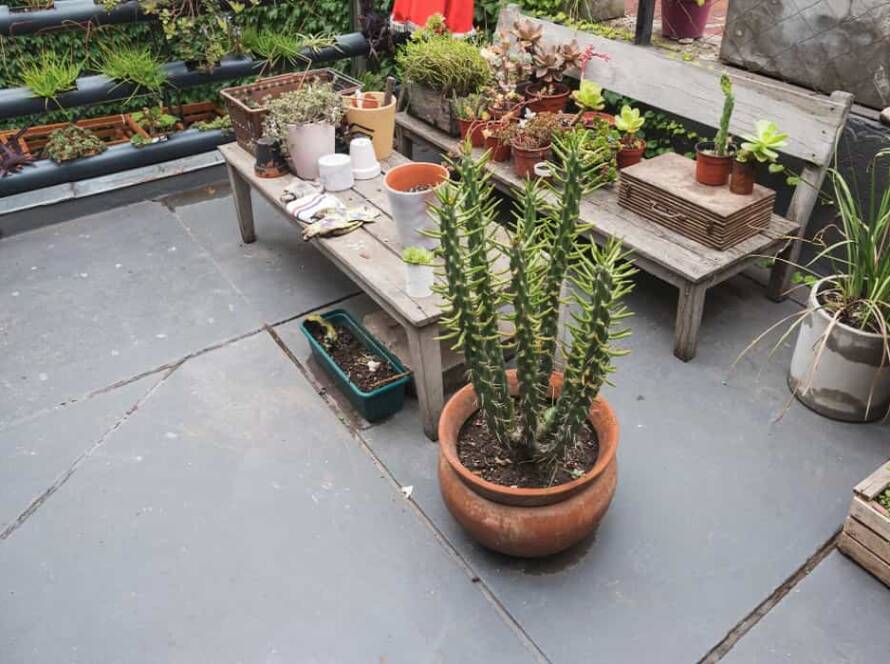
You do not need a big garden or lawn to begin. Gardening for beginners India can easily be done in balconies, terraces, courtyards, or even near windows with good sunlight. The most important factor is sunlight. Most vegetables and herbs need at least 4 to 6 hours of direct sunlight every day. Also make sure the place has proper airflow and is easy to water regularly, as this helps plants grow stronger and healthier.
Preparing Healthy Organic Soil
Healthy soil is the foundation of successful organic gardening. Using plain garden soil alone may not give good results because it can be too hard and low in nutrients. A simple and effective soil mix includes garden soil, compost or vermicompost, and coconut coir or sand for drainage. This mix keeps the soil loose, improves water retention, and provides essential nutrients. You can reduce costs by making compost at home using vegetable peels, fruit waste, tea leaves, and dry leaves.
Selecting Easy Plants for Beginners
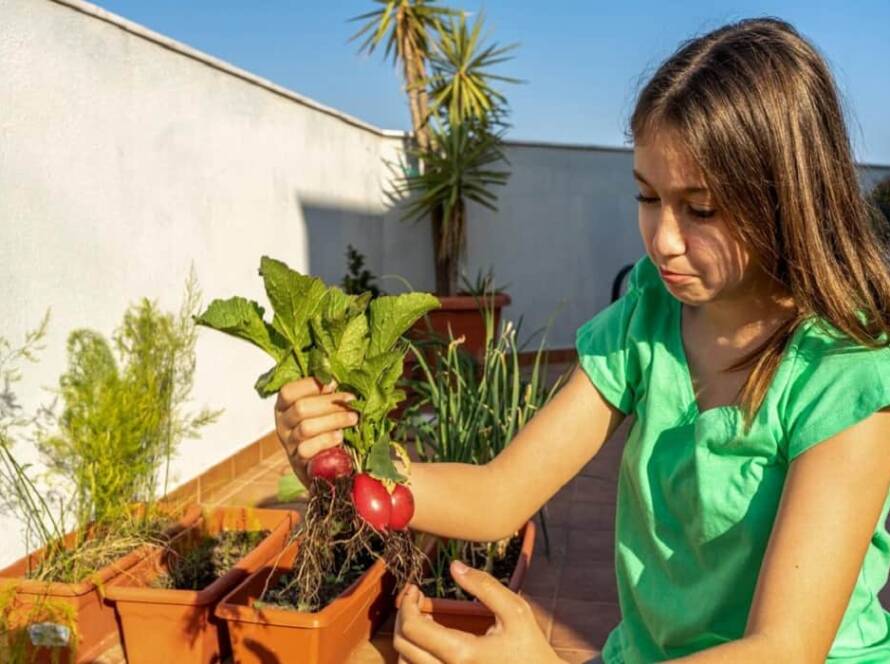
Starting with easy plants is the best way to build confidence. Some plants grow faster and need less care, making them perfect for gardening for beginners India. Vegetables like spinach, fenugreek, coriander, mint, tomatoes, green chillies, and okra are great choices. These plants adapt well to Indian weather and grow nicely in pots or grow bags. Seeing quick results keeps beginners motivated and interested in gardening.
Using Seeds and Saplings Correctly
Beginners can start gardening using seeds or ready saplings from local nurseries. Seeds are affordable but require patience, while saplings save time and give quicker results. Always choose untreated or organic seeds for better growth. Soaking seeds like coriander and spinach for a few hours before planting improves germination. Seeds should not be planted too deep, as this can prevent sprouting. Lightly cover them with soil and water gently.
Proper Watering for Plant Health
Watering plants correctly is very important in organic gardening. One of the most common mistakes in gardening for beginners India is overwatering. Too much water can cause root rot and fungal infections. Water plants early in the morning or in the evening after sunset. Always check the soil before watering. If the top layer feels dry, watering is needed. Using a watering can or spray helps avoid soil disturbance.
Natural Fertilizers for Organic Growth
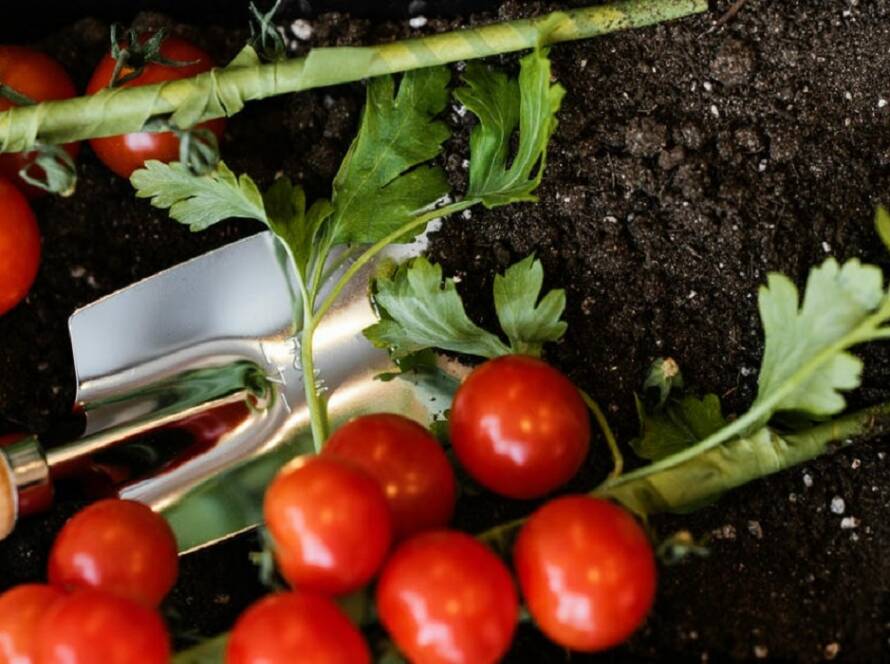
Organic gardening does not require expensive fertilizers. Natural options are affordable and effective when used regularly. Vermicompost, homemade compost, cow dung manure, and compost tea are excellent for plant nutrition. Banana peel water can help flowering and fruiting plants, while diluted buttermilk improves soil health. Adding small amounts regularly is better than using large quantities at once.
Organic Pest Control Methods
Pests are common in gardening, but chemical sprays should be avoided. Organic pest control methods are safe for plants and people. Neem oil spray is widely used in Indian organic gardening and is very effective against insects. Garlic and chilli spray helps keep pests away naturally. Mild soap water can be used for aphids and small insects. Regularly checking plants helps identify pest problems early.
Affordable Containers and Basic Tools
You do not need expensive pots to start gardening. Gardening for beginners India can be done using recycled containers like buckets, plastic tubs, old bottles, and grow bags. Make sure all containers have drainage holes to prevent waterlogging. Basic tools like a hand trowel, gloves, and a watering can are sufficient for beginners. Using recycled items helps save money and supports eco-friendly gardening.
Common Mistakes Beginners Should Avoid
Many beginners lose interest due to simple mistakes. Overwatering, using chemical fertilizers, ignoring sunlight needs, planting too many crops at once, and not checking plants regularly are common errors. Starting small, observing plant growth, and learning gradually helps beginners avoid frustration and enjoy gardening more.
Conclusion
Organic gardening is a healthy and rewarding habit that improves lifestyle and well-being. Gardening for beginners in India does not require special skills or heavy investment. With natural soil, easy plants, regular watering, and patience, anyone can grow fresh vegetables at home. Starting small and staying consistent brings long-term success and joy in organic gardening.
FAQs
Is organic gardening suitable for beginners in India
Yes, organic gardening is ideal for beginners in India because of favorable climate and easy availability of natural resources.
Can I start gardening in a small balcony
Yes, many vegetables and herbs grow well in pots and containers placed in balconies with good sunlight.
How much time does organic gardening need daily
Most home gardens need only 15 to 30 minutes daily for watering and basic care.
What is the best season to start gardening in India
Winter and early summer are considered the best seasons for beginners to start gardening.
Is gardening for beginners India expensive
No, it is very affordable when you use homemade compost, recycled containers, and natural methods.