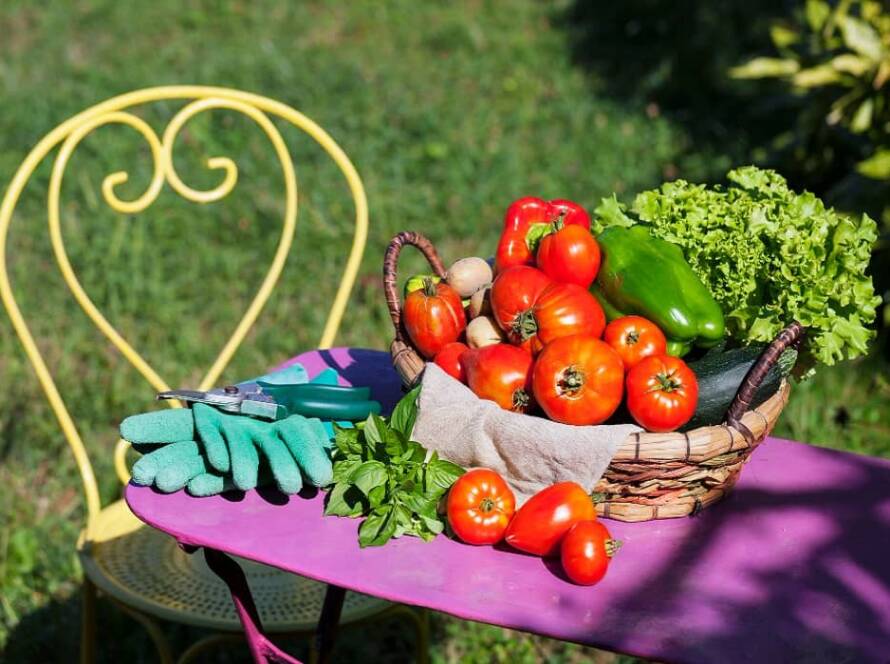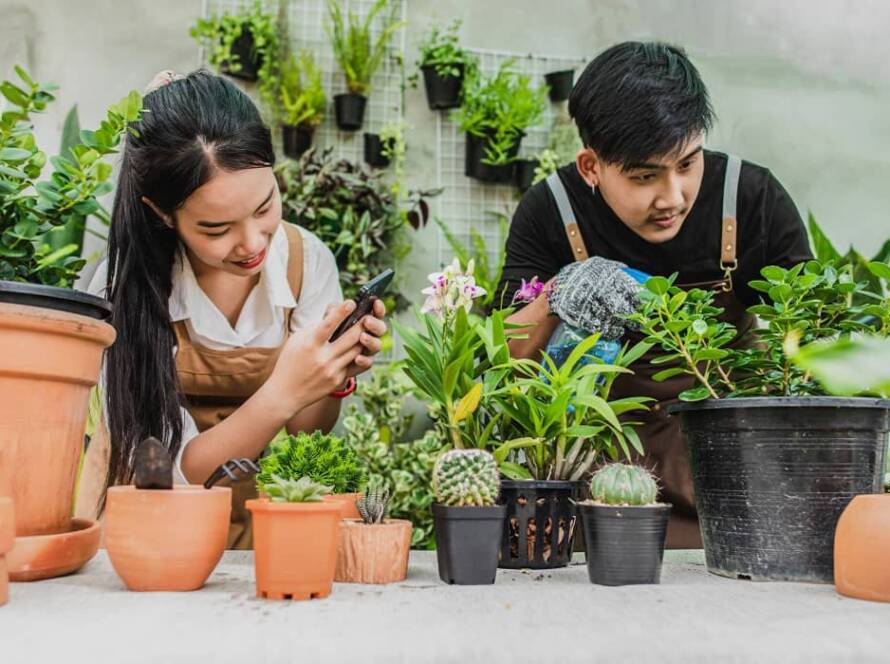
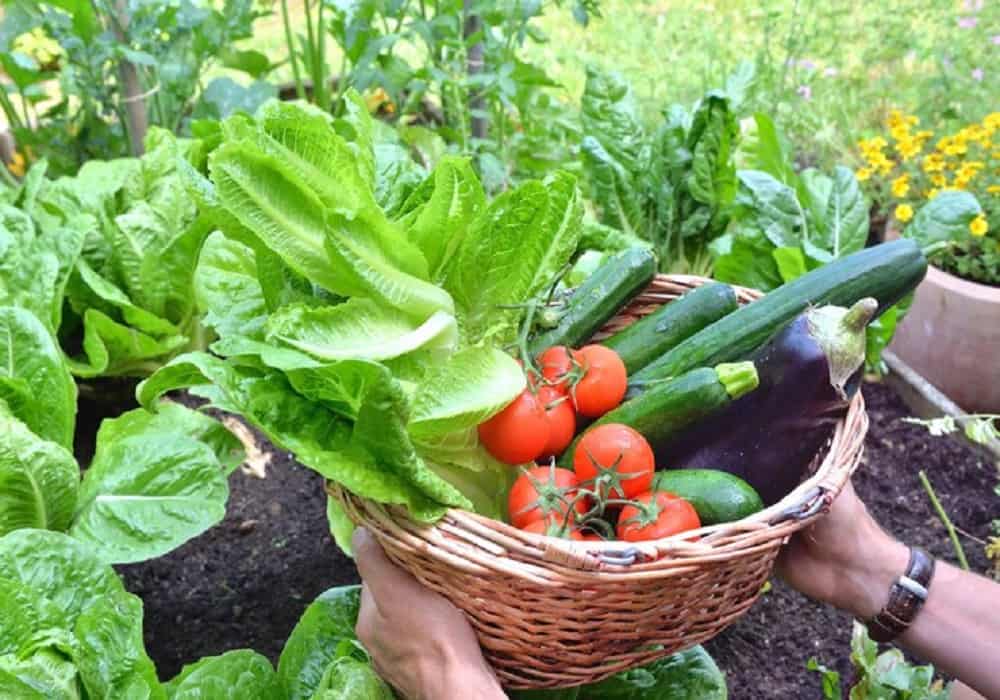
Creating your own vegetable garden is one of the most rewarding hobbies. Not only does it provide fresh and organic food, but it also promotes a healthier lifestyle while saving money on groceries. Whether you have a large backyard, a small balcony, or even a few containers, growing vegetable garden plants is easier than you might think. With the right planning, soil, and care, you can enjoy delicious vegetables straight from your garden.
In this article, we’ll explore the benefits of growing vegetable garden plants, the best vegetables for beginners, tips for successful gardening, and some common FAQs to help you get started.
Benefits of Growing Vegetable Garden Plants
- Fresh and Nutritious Produce
Homegrown vegetables are packed with nutrients and taste better than store-bought options. You harvest them at their peak, ensuring maximum freshness. - Cost-Effective
Growing your own vegetables reduces grocery bills. A single seed packet can produce multiple harvests throughout the season. - Sustainable Living
By cultivating vegetable garden plants, you contribute to reducing food miles, packaging waste, and reliance on chemical fertilizers. - Stress Relief and Physical Activity
Gardening is therapeutic. It encourages physical exercise, reduces stress, and connects you with nature. - Custom Variety
Stores often offer limited vegetable types, but when you grow your own, you can try unique or heirloom varieties not commonly available in markets.
Best Vegetable Garden Plants for Beginners
If you’re new to gardening, start with plants that are low-maintenance and easy to grow. Here are some popular choices:
1. Tomatoes
Tomatoes thrive in pots or garden beds with plenty of sunlight. They are versatile, productive, and perfect for salads, sauces, and curries.
2. Lettuce and Spinach
Leafy greens grow quickly and can be harvested multiple times. They don’t require much space, making them ideal for container gardens.
3. Carrots
These root vegetables grow well in deep, loose soil. They are rich in vitamins and add sweetness to dishes.
4. Cucumbers
Cucumbers are excellent for summer gardens. With proper support like trellises, they can save space and yield heavily.
5. Beans
Beans improve soil fertility as they fix nitrogen. They are fast-growing and highly productive.
6. Peppers
Warm weather is ideal for growing both hot and sweet peppers. They can grow well in raised beds, pots, or the ground itself.
7. Zucchini
Zucchini grows quickly and produces abundantly. A single plant can supply plenty for a family.
Essential Tips for Growing Healthy Vegetable Garden Plants
- Choose the Right Location
Most vegetable plants need at least 6–8 hours of direct sunlight daily. Select a spot with good light exposure. - Prepare Quality Soil
Healthy soil is the foundation of successful gardening. Enrich your soil with compost, organic matter, or natural fertilizers. - Watering Schedule
Consistent watering is essential. Avoid overwatering as it can cause root rot. Use mulch to retain moisture and prevent weeds. - Planting in Seasons
Select vegetables based on your local climate and growing season. For example, tomatoes and cucumbers thrive in summer, while spinach and peas prefer cooler weather. - Pest and Disease Management
Practice natural pest control methods like neem oil spray or companion planting. Rotate crops each season to avoid soil-borne diseases. - Use Containers or Raised Beds
If you have limited space, containers and raised beds work perfectly. They also make soil management easier. - Harvest at the Right Time
Harvest vegetables when they are ripe to enjoy their best flavor and encourage continuous production.
Designing Your Vegetable Garden
A little planning goes a long way when creating your vegetable garden.
- Small Space Gardening: Use vertical gardening techniques like trellises for beans, peas, and cucumbers.
- Raised Beds: They improve drainage, reduce weeds, and provide better control over soil quality.
- Companion Planting: Some plants grow better together. For example, basil improves the flavor of tomatoes, while marigolds help repel pests.
- Rotation Planning: Avoid planting the same vegetables in the same spot year after year. Crop rotation keeps soil healthy.
Common Mistakes to Avoid When Growing Vegetable Garden Plants
- Planting too many varieties at once, making it hard to manage.
- Ignoring sunlight requirements.
- Over-fertilizing, which can damage roots.
- Neglecting pest control until it’s too late.
- Harvesting too late, reducing taste and quality.
FAQs on Vegetable Garden Plants
Q1. What vegetables are the easiest to grow for beginners?
Tomatoes, lettuce, beans, and cucumbers are among the easiest vegetable garden plants for beginners. They require minimal care and give great results.
Q2. Can I grow vegetables in containers if I don’t have a backyard?
Yes, many vegetables like spinach, peppers, and tomatoes grow well in containers. Just ensure the pots have good drainage and sufficient sunlight.
Q3. How often should I water vegetable garden plants?
Most vegetable plants need about 1–2 inches of water per week. Water deeply rather than frequently to encourage strong root growth.
Q4. What is the best fertilizer for vegetable garden plants?
Organic compost, manure, and natural fertilizers like bone meal or seaweed extract are great for nourishing your garden.
Q5. How do I protect vegetable plants from pests naturally?
You can use neem oil, garlic spray, or plant pest-repelling companions like marigolds and basil. Regularly inspect plants for early pest signs.
Q6. How much sunlight do vegetable garden plants need?
Despite the fact that leafy greens can withstand some shadow, most veggies need 6 to 8 hours of sunlight per day.
Q7. Can I grow vegetables year-round?
Yes, depending on your climate. You can plan seasonal crops—cool-season plants like peas and spinach in spring and fall, and warm-season crops like tomatoes and peppers in summer.
Final Thoughts
Growing vegetable garden plants is not only a step toward a healthier lifestyle but also an enjoyable hobby that connects you with nature. With the right plants, soil preparation, and care, anyone can start a productive vegetable garden at home. Whether you’re a beginner or an experienced gardener, cultivating your own food offers unmatched satisfaction and sustainability.