Urban gardening is thriving in India, especially as more people discover the joy and health benefits of growing vegetables at home. Whether you have a balcony in an apartment in Mumbai, a small terrace in Delhi, or even just a sunny windowsill in Kota, you can start your own easy-to-grow vegetable garden—no sprawling backyard needed! This guide will help you choose the easy to grow vegetables at home in India is perfect for, walk you through getting started, and answer some essential FAQs about home gardening in India.
Why Grow Vegetables at Home in India?
Growing your own vegetables is rewarding and sustainable. Some major benefits include:
- Fresh, chemical-free produce
- Cost savings on groceries
- A fun and educational family activity
- Better control over food quality
- Reduced carbon footprint (less transport and packaging!)
Easy to Grow Vegetables at Home in India
Let’s explore the easiest, most rewarding vegetables to grow at home, even if you’re limited to a balcony or terrace:
1. Tomatoes
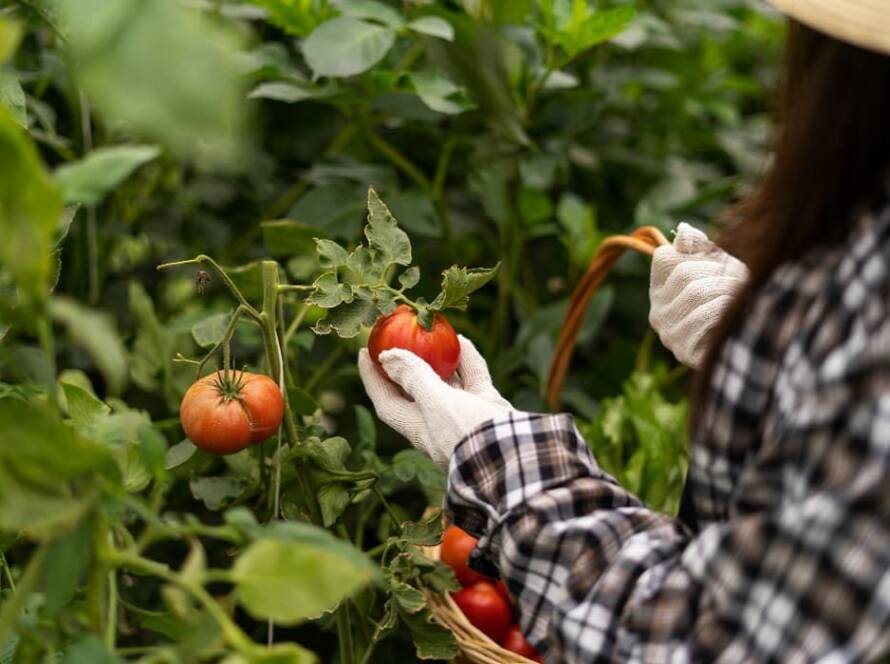
Tomatoes are one of the most popular vegetables for home gardeners in India. They thrive in pots and sunny balconies. Choose compact, bush varieties if space is tight. If you give them frequent watering and fertilizer on occasion, you should have fresh tomatoes after 60 to 80 days.
2. Chillies
Chillies are perfect for pots and require minimal maintenance. Just a couple of plants can meet your needs for months. They prefer lots of sun and well-drained soil.
3. Spinach (Palak)
Spinach grows quickly and can be harvested in just a few weeks. Its shallow roots make it ideal for shallow planters. Sow seeds every couple of weeks for a continuous harvest.
4. Fenugreek (Methi)
Methi is incredibly easy to grow from seeds. In just 20–30 days, you’ll have lush green leaves for parathas or curries. It’s a fast grower and thrives in Indian conditions.
5. Curry Leaves (Kadi Patta)
A curry leaf plant not only gives you fresh leaves year-round but also adds greenery to your balcony. Start from a sapling, keep the soil moist but well-drained, and enjoy fragrant leaves for seasoning.
6. Coriander (Dhaniya)
Coriander is used daily in many Indian dishes. It loves a sunny spot and well-drained soil and can be grown from kitchen seeds. Sow seeds every couple of weeks for regular supply.
7. Okra (Bhindi)
Okra grows well in larger pots or grow bags. With enough sun and warmth, you’ll enjoy a steady harvest in just 40–45 days after sowing.
8. Brinjal (Eggplant)
Brinjal plants thrive in pots with proper drainage and full sun. Compact varieties are ideal for containers and yield delicious produce for months.
9. Radish (Mooli)
Radishes are quick-growing—sometimes ready in just four weeks! They grow well in both deep and wide containers.
10. Beans
Beans are prolific climbers that can be trained on balcony railings or trellises. They are ideal for vertical gardening in small spaces.
Starting Your Balcony Vegetable Garden: Quick Tips
- Containers: Choose pots with drainage holes. Grow bags, recycled buckets, and plastic tubs work too.
- Soil: Use a mix of garden soil, compost, and cocopeat for nutrient-rich, well-draining soil.
- Sunlight: Most veggies need 4–6 hours of direct sunlight per day.
- Watering: Keep soil moist but not waterlogged. Check with your finger before watering.
- Fertilizing: Add compost or organic liquid fertilizers every 2–3 weeks.
FAQs: Easy to Grow Vegetables at Home in India
Q1. What vegetables grow best on balconies in India?
Tomatoes, chillies, spinach, methi, coriander, curry leaves, okra, and beans are top choices for Indian balconies because they are hardy, require modest care, and adapt well to container gardening.
Q2. How much sunlight do these vegetables need?
Most need 4–6 hours of direct sunlight per day. Leafy greens like spinach and methi tolerate partial shade.
Q3. Can I reuse kitchen scraps or seeds?
Yes! Tomato, chilli, and coriander seeds from your kitchen can be sown directly. You can even regrow veggies like spring onions from leftover stalks.
Q4. What is the easiest vegetable to grow for beginners?
Spinach and methi are the fastest and easiest to grow, making them perfect for novice gardeners.
Q5. What are common mistakes for urban gardeners?
- Overwatering, poor drainage, and insufficient sunlight.
- Forgetting to fertilize.
- Planting incompatible veggies together.
Q6. When is the best time to start a vegetable garden at home?
Most Indian cities allow year-round gardening, but early spring and post-monsoon are ideal for most veggies.
Conclusion
You don’t need a large garden to enjoy homegrown vegetables. With a bit of planning, some pots or recycled containers, and a sunny balcony, you can enjoy a steady supply of fresh, organic, easy to grow vegetables at home in India. Urban gardening isn’t just possible—it’s hugely rewarding, healthy, and fun for the whole family!