Gardening is one of the most rewarding hobbies anyone can start, especially in a country like India where the climate supports a wide variety of plants. From kitchen gardens to balcony setups, gardening not only beautifies your surroundings but also contributes to your health and well-being. If you are new to gardening and looking for simple ways to begin, this guide on gardening for beginners in india will help you take your first step with confidence.
Why Start Gardening in India?
India is blessed with diverse climates, ranging from tropical in the south to temperate in the north. This makes it possible to grow almost every type of plant—flowers, vegetables, herbs, and even exotic species. Some key reasons to begin gardening are:
- Health benefits: Fresh air, physical activity, and stress relief.
- Homegrown food: Fresh, chemical-free fruits and vegetables.
- Aesthetic appeal: Green plants give houses a sense of beauty and freshness.
- Eco-friendly living: Helps reduce carbon footprint and connects you with nature.
Gardening for Beginners India – Step-by-Step Guide
Starting a garden may feel overwhelming, but with a few easy steps, anyone can do it. Here’s a beginner-friendly approach:
1. Choose the Right Space
Decide where you want to start—balcony, terrace, backyard, or even windowsills. Ensure the area gets at least 4–6 hours of sunlight daily for most plants.
2. Select Easy-to-Grow Plants
It’s a good idea to start with low-maintenance plants as a novice. In India, some of the best options include:
- Vegetables: Tomatoes, spinach, brinjal, okra, chilies.
- Herbs: Mint, coriander, tulsi, curry leaves.
- Flowers: Marigold, hibiscus, periwinkle, rose.
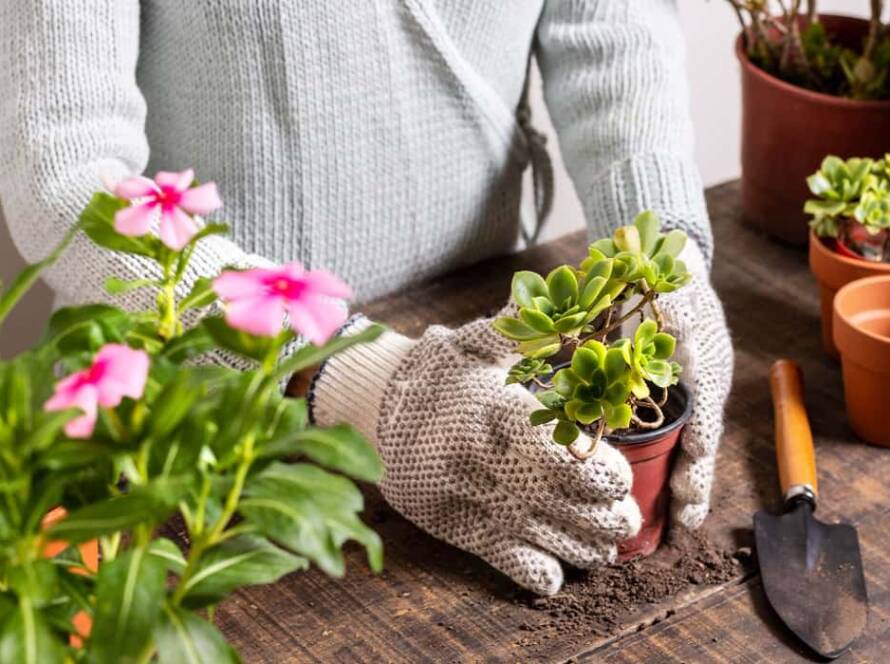
3. Use the Right Pots and Containers
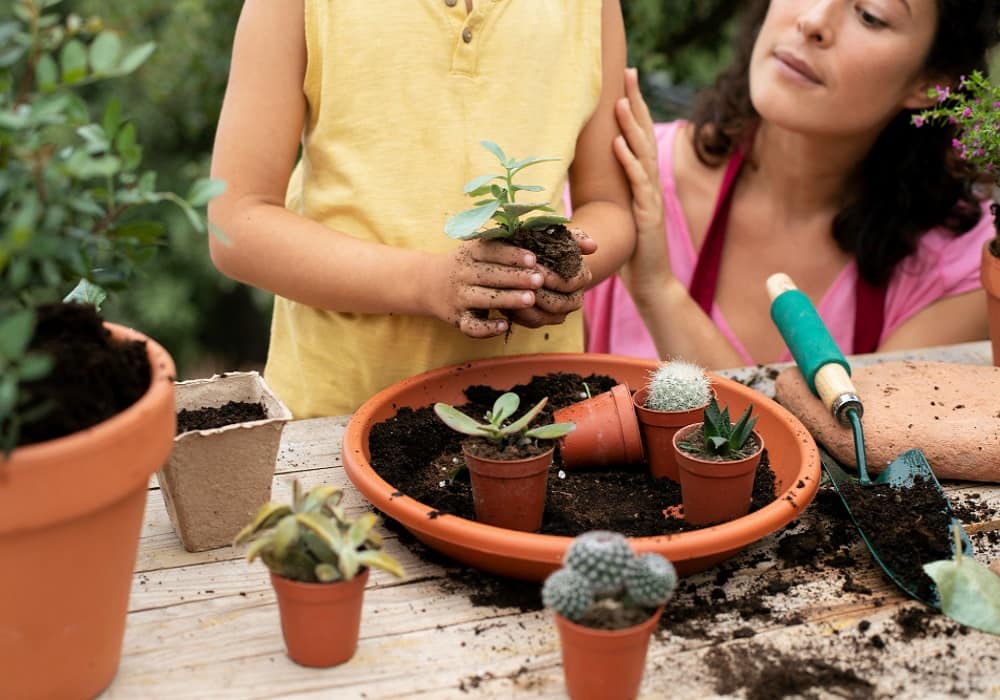
Clay pots, plastic containers, grow bags, or recycled bottles—all can be used. Just make sure they have drainage holes to prevent waterlogging.
4. Prepare Good Soil
Soil quality is the heart of gardening. For gardening in India, a mixture of garden soil + compost + sand works well. Organic compost made from kitchen waste is an eco-friendly option.
5. Watering Correctly
Overwatering is the most common mistake beginners make. Most plants thrive with moderate watering. A simple rule: water when the topsoil feels dry.
6. Use Organic Fertilizers
Over time, chemical fertilizers could damage the soil. Instead, opt for:
- Vermicompost
- Cow dung manure
- Compost from kitchen waste
7. Protect from Pests Naturally
Instead of using harmful pesticides, beginners can try natural solutions:
- Neem oil spray
- Soap water spray
- Planting marigold as a natural pest repellent
8. Be Patient and Consistent
Plants take time to grow. Consistent care, observation, and small adjustments will help you succeed in your gardening journey.
Easy Gardening Ideas for Beginners in India
Here are some creative and simple ideas to make gardening more enjoyable:
- Balcony Garden – Perfect for apartment living; grow vegetables and herbs in pots.
- Vertical Garden – Use wall-mounted planters or recycled bottles to save space.
- Terrace Garden – Ideal for families; you can grow seasonal vegetables in grow bags.
- Kitchen Garden – Use window ledges to grow coriander, mint, and green chilies.
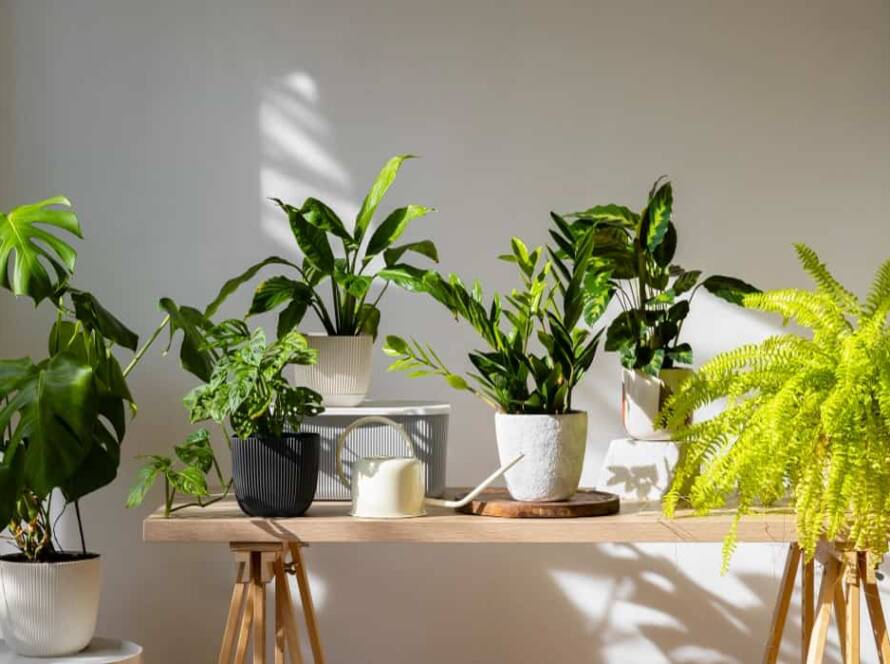
- Indoor Plants – Money plant, snake plant, and peace lily purify indoor air.
- Herbal Garden – Tulsi, lemongrass, and aloe vera for health and Ayurveda uses.
Seasonal Gardening Tips for Beginners in India
India’s diverse climate means different plants thrive in different seasons.
- Summer (March–June): Grow gourds, okra, brinjal, hibiscus, and marigold.
- Monsoon (July–September): Plant spinach, fenugreek, turmeric, and ginger.
- Winter (October–February): Best time for tomatoes, peas, cauliflower, and roses.
By planning according to the seasons, you can enjoy year-round harvests and flowers.
Common Mistakes Beginners Should Avoid
- Overwatering plants.
- Using poor soil without compost.
- Planting too many varieties at once.
- Ignoring sunlight requirements.
- Not checking for pests regularly.
Avoiding these mistakes ensures healthy and thriving plants.
Benefits of Gardening for Beginners in India
- Fresh Organic Food – Save money and enjoy pesticide-free produce.
- Stress Relief – Spending time with plants calms the mind.
- Eco-Conscious Lifestyle – Contributes to sustainability.
- Family Activity – Gardening can be fun for kids and elders.
- Improved Air Quality – Plants act as natural air purifiers.
FAQs on Gardening for Beginners in India
Q1. What is the easiest plant to grow in India for beginners?
Ans: Mint, coriander, and marigold are among the easiest plants to grow with little effort.
Q2. Can gardening be done in small apartments?
Ans: Yes, balcony or indoor gardening with pots and containers is perfect for apartments.
Q3. How do I prepare soil for gardening in India?
Ans: Mix garden soil, compost, and sand in equal parts. This ensures good nutrition and drainage.
Q4. Which vegetables can I grow in pots at home?
Ans: Tomatoes, chilies, spinach, okra, and brinjal grow well in containers.
Q5. Do plants need fertilizers regularly?
Ans: Yes, adding organic compost every 3–4 weeks keeps plants healthy and boosts growth.
Q6. How do I control pests naturally?
Ans: Neem oil spray and planting marigold near vegetables help repel harmful insects.
Q7. Can I grow plants in recycled containers?
Ans: Absolutely! Bottles, cans, and buckets make great eco-friendly planters.
Conclusion
Starting your own garden may seem challenging at first, but with simple steps, anyone can succeed. Gardening for beginners in india is not just about growing plants—it’s about growing happiness, health, and sustainability. Whether you have a large terrace or a small balcony, you can create your green space and enjoy the joy of nurturing life.