In recent years, more and more people have started turning their backyards, balconies, and terraces into green spaces filled with fresh vegetables and herbs. A kitchen garden not only provides you with organic, chemical-free produce but also helps you connect with nature. When it comes to kitchen garden vegetables in India, the variety and choices are vast, thanks to the diverse climate across different regions of the country. With the right planning and care, you can enjoy a fresh and healthy harvest right at home.
In this article, we will explore the best vegetables to grow in Indian kitchen gardens, tips for successful cultivation, and some common FAQs to help you start your gardening journey.
Why Grow Kitchen Garden Vegetables in India?
- Fresh and Nutritious Food – Homegrown vegetables are free from harmful pesticides, making them safer and healthier for your family.
- Cost-Effective – Growing your own vegetables reduces the monthly grocery bill.
- Eco-Friendly – It helps reduce carbon footprint by minimizing the need for packaged produce.
- Stress-Relieving Hobby – Gardening is therapeutic and improves mental well-being.
- Self-Sufficiency – A kitchen garden ensures a steady supply of vegetables, even during market shortages.
Best Kitchen Garden Vegetables in India
Depending on the season and space available, you can grow a variety of vegetables in your home garden. Below are some of the most popular kitchen garden vegetables in India:
1. Tomatoes
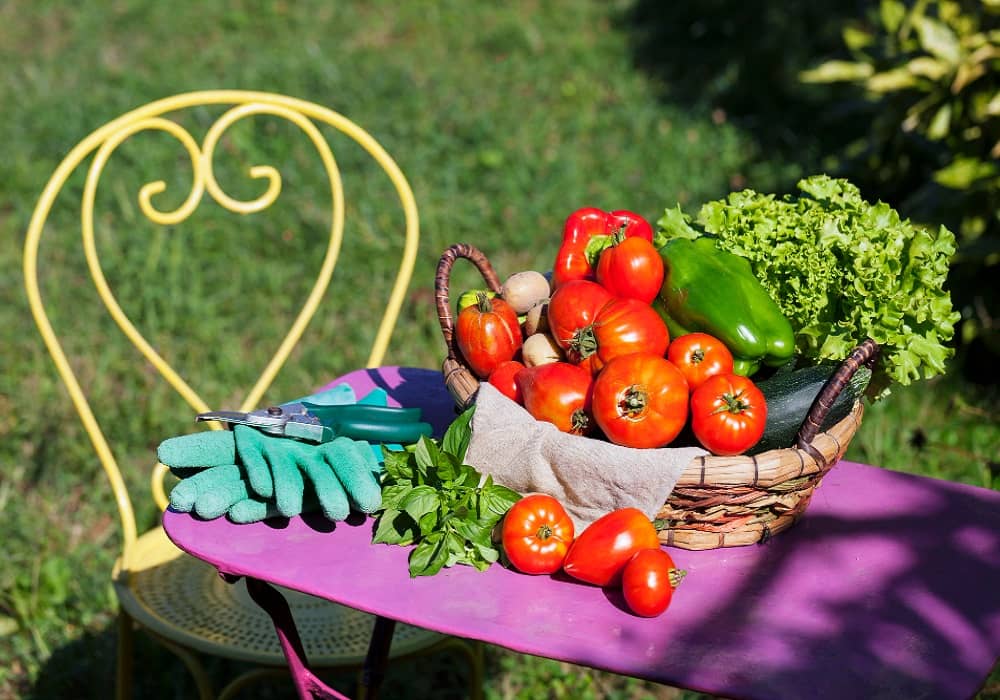
- Tomatoes are among the easiest vegetables to grow in Indian climates.
- They thrive in pots, grow bags, or directly in the soil.
- With proper sunlight and watering, they yield a continuous supply.
2. Spinach (Palak)
- A fast-growing leafy vegetable, spinach can be harvested multiple times.
- It grows well in cool as well as moderately warm weather.
- Rich in iron and vitamins, it’s a must-have in every Indian kitchen garden.
3. Okra (Lady’s Finger)
- Okra loves warm weather and requires at least 6 hours of direct sunlight daily.
- It’s a staple in Indian households, making it one of the best vegetables to grow.
4. Coriander (Dhaniya)
- Coriander grows quickly and is ideal for small containers.
- You can harvest both the leaves and seeds.
- Fresh coriander adds aroma and flavor to Indian dishes.
5. Chilies (Mirchi)
- Green chilies are easy to grow and require little maintenance.
- A single plant can provide a steady supply for months.
6. Carrots
- Carrots are a winter crop in most parts of India.
- They need loose, well-drained soil for proper growth.
- Freshly harvested carrots are far sweeter than market ones.
7. Brinjals (Eggplant/Baingan)
- Brinjals are hardy plants that produce generously.
- They can be grown in pots or ground soil.
8. Cabbage and Cauliflower
- These vegetables are suitable for winter kitchen gardens in India.
- They need proper spacing and pest protection for healthy harvests.
9. Fenugreek (Methi)
- Methi is a fast-growing leafy vegetable.
- You can harvest the leaves within 20–25 days.
10. Bitter Gourd, Bottle Gourd, and Other Climbers
- These vegetables grow well on trellises and add greenery to your terrace or balcony.
- They need proper support but give a high yield.
Tips for Growing Kitchen Garden Vegetables in India
- Choose the Right Location
- Most vegetables need at least 4–6 hours of direct sunlight.
- Select a spot with good airflow and proper drainage.
- Use Quality Soil
- A mix of garden soil, compost, and cocopeat ensures good nutrition.
- Adding organic manure improves fertility.
- Water Wisely
- Overwatering can damage roots; water only when soil feels dry.
- Drip irrigation or a simple watering can works well for small spaces.
- Go Organic
- Use natural fertilizers like compost, cow dung, or neem cake.
- For pest control, try neem oil, garlic spray, or chili spray.
- Choose Seasonal Vegetables
- Grow warm-season vegetables (tomatoes, okra, chilies) in summer.
- Opt for cool-season vegetables (spinach, carrots, cabbage) in winter.
- Companion Planting
- Pairing certain vegetables together boosts growth and reduces pests.
- Example: Planting basil with tomatoes improves flavor and deters insects.
- Harvest on Time
- Picking vegetables at the right stage encourages continuous production.
Benefits of Kitchen Garden Vegetables in India
- Chemical-Free Produce – Healthy and safe for your family.
- Better Taste – Homegrown vegetables are fresher and tastier.
- Sustainability – Reduces dependency on market-bought vegetables.
- Utilization of Space – Even small balconies can be turned into productive gardens.
FAQs on Kitchen Garden Vegetables in India
Q1. Which vegetables are best for beginners in India?
A: Tomatoes, okra, coriander, spinach, and chilies are low maintenance and easy to grow.
Q2. Can kitchen garden vegetables be grown in pots?
A: Yes, most vegetables like tomatoes, brinjals, chilies, and leafy greens grow well in pots and containers.
Q3. How much sunlight do vegetables need?
A: On average, kitchen garden vegetables in India need 4–6 hours of direct sunlight daily.
Q4. What is the best soil mix for Indian kitchen gardens?
A: A balanced mix of garden soil, compost, and cocopeat works best for most vegetables.
Q5. How often should I water my kitchen garden?
A: Watering depends on the season—daily in summer and every 2–3 days in winter. Always check soil moisture before watering.
Q6. Can I grow vegetables year-round in India?
A: Yes, by choosing seasonal vegetables, you can enjoy year-round harvesting. Warm-weather crops like okra and chilies grow in summer, while leafy greens and carrots grow in winter.
Final Thoughts
Starting a kitchen garden is one of the most rewarding experiences for Indian households. With the right techniques and seasonal planning, you can enjoy fresh, organic, and nutrient-rich food straight from your garden. Growing kitchen garden vegetables in India not only ensures healthy eating but also contributes to a sustainable and eco-friendly lifestyle.