In today’s fast-paced urban lifestyle, finding a touch of greenery amidst concrete spaces has become essential for both mental peace and sustainable living. One of the most rewarding ways to do this is by creating your own terrace vegetable garden. With limited space and growing awareness about organic food, more Indians are turning their rooftops into lush, productive gardens. In this article, we’ll explore the best terrace vegetable garden ideas in India, practical tips for setup, and some FAQs to help you get started.
What Is a Terrace Vegetable Garden?
A terrace vegetable garden is a dedicated space on your rooftop or balcony where you grow vegetables, herbs, and even fruits in containers, raised beds, or vertical setups. It’s an ideal solution for urban homes where space is limited but the desire to grow fresh, chemical-free vegetables is strong.
Benefits of Terrace Vegetable Gardening
Before diving into ideas, let’s understand why terrace gardening is so popular in Indian cities:
- Fresh and Organic Produce – Grow your own vegetables without pesticides or chemicals.
- Eco-Friendly Living – Helps reduce your carbon footprint by using kitchen waste and compost.
- Utilization of Space – Converts unused rooftops into productive green zones.
- Improved Air Quality – Plants filter pollutants and keep your home cooler.
- Stress Relief – Gardening is therapeutic and offers a sense of accomplishment.
Best Terrace Vegetable Garden Ideas in India
1. Container Gardening
Container gardening is perfect for small rooftops. You can grow almost any vegetable in containers like grow bags, pots, or recycled buckets.
Best plants: Tomatoes, chilies, spinach, okra, and mint.
Tip: Use containers with proper drainage and fill them with a mix of soil, compost, and coco peat.
2. Raised Bed Gardening
Raised beds are wooden or cemented structures filled with fertile soil. They allow for better water retention and aeration.
Best plants: Leafy greens, root vegetables, beans, and gourds.
Tip: Build beds 1–2 feet deep and line them with coconut coir to prevent soil loss.
3. Vertical Gardening
If your terrace space is limited, go vertical! Install wall-mounted planters, hanging pots, or stackable containers to make use of vertical space.
Best plants: Spinach, coriander, lettuce, and herbs.
Tip: Use a drip irrigation system to make watering easy and efficient.
4. Hydroponic Gardening
Hydroponics is a modern technique where vegetables grow in nutrient-rich water instead of soil. Though it requires initial investment, it’s highly efficient.
Best plants: Lettuce, basil, and tomatoes.
Tip: Perfect for urban homes where maintaining soil-based gardens is difficult.
5. Using Recycled Materials
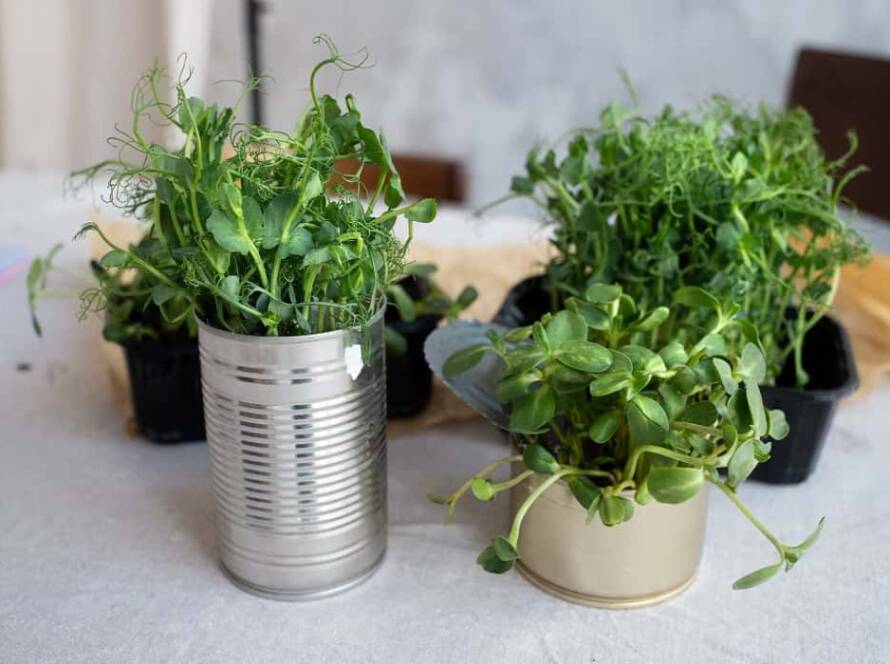
Use old bottles, buckets, wooden crates, or tires to create eco-friendly planters. This reduces waste and adds creativity to your space.
Best plants: Herbs, leafy greens, and small vegetables.
Tip: Paint containers with bright colors to enhance the garden’s look.
6. Mixing Ornamental and Edible Plants
Combine flowering plants with vegetables for a colorful, productive garden. Flowers attract pollinators that improve your vegetable yield.
Best combinations: Marigold with tomatoes, or basil with peppers.
7. Composting Corner
Set up a small composting bin on your terrace. Use kitchen waste, dry leaves, and garden clippings to create organic compost.
Tip: This reduces waste and provides natural fertilizer for your plants.
8. Drip Irrigation System
A drip irrigation system ensures that each plant receives the right amount of water. It saves time, conserves water, and is ideal for busy urban homeowners.
Tip: Install a timer-based system for automatic watering.
9. Grow Bag Gardening
Grow bags are lightweight, portable, and perfect for terrace gardening. They come in different sizes suitable for various vegetables.
Best plants: Potatoes, tomatoes, and spinach.
Tip: Place them in sunny spots for at least 5–6 hours of sunlight daily.
10. Seasonal Gardening
India’s diverse climate allows different vegetables to grow in different seasons. Plan your garden according to the weather.
Summer: Tomatoes, cucumbers, and okra.
Winter: Carrots, peas, and spinach.
Monsoon: Gourds and beans.
Tip: Rotate crops to maintain soil health.
Tips for a Successful Terrace Vegetable Garden
- Use lightweight soil mix: Combine red soil, compost, and coco peat for good aeration.
- Ensure proper sunlight: Most vegetables need at least 5–6 hours of sunlight daily.
- Regular watering: Water early morning or late evening to avoid evaporation.
- Pest control: Use neem oil or natural insect repellents.
- Mulching: Add straw or leaves to retain soil moisture.
Popular Vegetables to Grow in Indian Terrace Gardens
- Tomatoes – Easy to grow and suitable for containers.
- Spinach and Fenugreek (Methi) – Fast-growing greens.
- Chilies and Capsicum – Thrive in warm, sunny conditions.
- Coriander – Quick to germinate and perfect for daily use.
- Beans and Gourds – Great for trellises or hanging setups.
- Carrots and Radishes – Ideal for raised beds.
Sustainable Terrace Gardening Practices
- Use rainwater harvesting for irrigation.
- Reuse grey water after proper filtration.
- Use organic compost and fertilizers only.
- Create shade nets during extreme summers.
- Grow native plants that adapt well to Indian weather.
FAQs on Terrace Vegetable Garden Ideas in India
1. Is terrace gardening suitable for all types of roofs?
Yes, but ensure your terrace is waterproofed to prevent leakage. Use trays or liners under pots for extra protection.
2. What are the essential tools for terrace gardening?
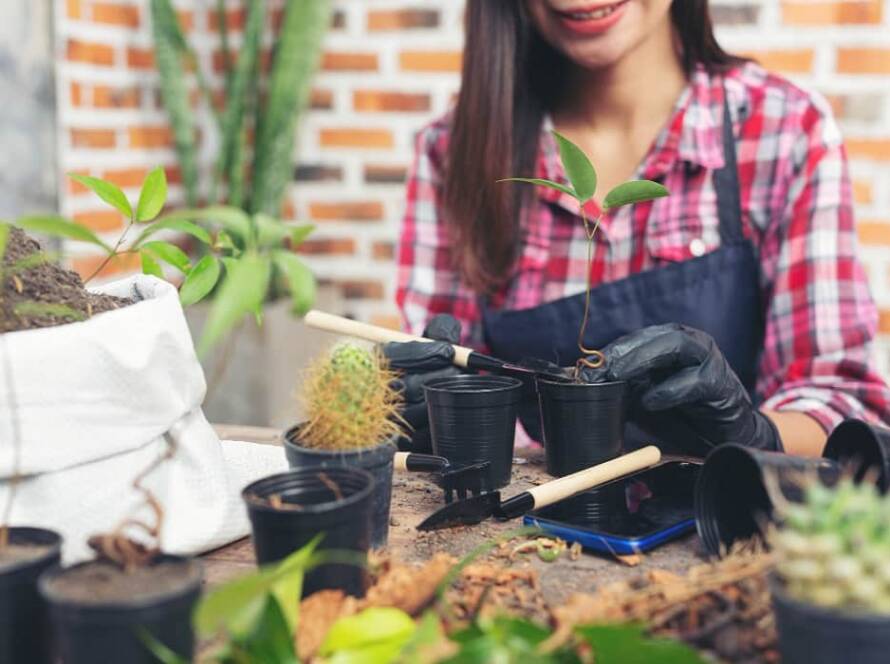
Basic tools include a hand trowel, watering can, pruning shears, gloves, and a spray bottle for pest control.
3. How much sunlight is needed for a terrace vegetable garden?
Most vegetables need 5–6 hours of sunlight daily. For shaded terraces, choose leafy greens or install reflective surfaces.
4. Can I grow vegetables all year round?
Yes, by choosing the right seasonal vegetables and using protective nets or polyhouses during extreme weather.
5. What’s the best soil mix for terrace gardening in India?
A balanced mix of red soil, compost, and coco peat (in equal parts) ensures proper drainage and nutrient availability.
Conclusion
Creating a terrace vegetable garden in India is a smart and sustainable way to lead a healthier life, especially in crowded urban environments. With a little effort and creativity, your rooftop can transform into a green haven filled with fresh vegetables, herbs, and joy. Start small, stay consistent, and soon you’ll enjoy the satisfaction of harvesting your own food right at home.