
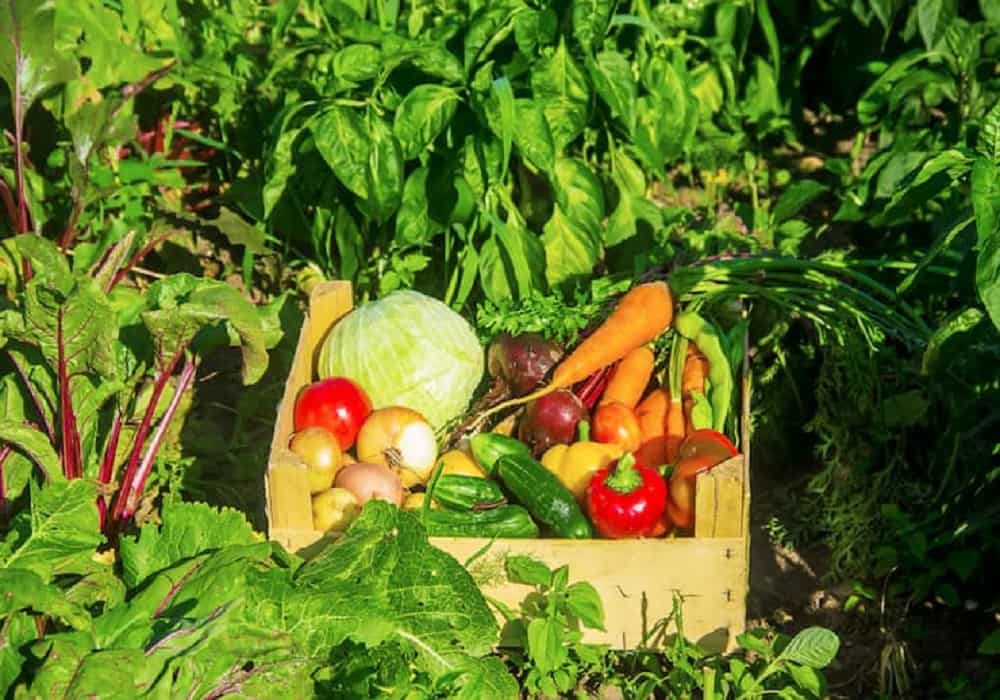
Growing vegetables at home can turn even a small outdoor space into a useful and refreshing garden. You do not need years of gardening experience or a large piece of land to begin. With a few containers, suitable soil, sunlight, and regular attention, beginners can grow fresh vegetables in their own homes.
For anyone searching for easy to grow vegetables at home in india, the best place to start is with plants that adapt well to containers and require manageable care. Choosing the right vegetables according to your space and season can make home gardening much easier.
Choose Vegetables According to Your Space
Before purchasing seeds, look at the space available for your garden. A terrace may offer room for larger containers, while a balcony may require compact plants. If you have only a few pots, select vegetables that can produce well without taking up too much room.
Container size also matters. Leafy vegetables can often grow in shallow containers, whereas root vegetables generally need more depth. Climbers may require a trellis or support structure to grow properly.
1. Grow Fresh Spinach at Home
Spinach is a convenient vegetable for beginners because it does not require a complicated setup. It can be grown from seeds in containers or suitable garden beds.
Prepare a loose growing medium and spread the seeds evenly. Keep the soil moderately moist while the seeds develop. Once the plants become established, you can pick mature leaves without removing the entire plant.
This makes spinach a practical option for people who want to make regular use of their home-grown produce.
2. Add Chilli Plants to Your Garden
Chillies are particularly useful in an Indian kitchen, which makes them a popular choice for home gardens. A healthy chilli plant can grow successfully in a suitable pot when provided with enough sunlight and proper drainage.
Avoid keeping the roots in soggy soil. Water the plant according to its condition and weather rather than following a fixed daily schedule.
With patience and regular care, a chilli plant can provide a useful supply of fresh chillies.
3. Try Growing Radishes
Radishes can be a fun vegetable for first-time gardeners because their progress can be relatively quick under suitable growing conditions.
Use a container with enough depth for the edible root to develop. The growing medium should be soft and free from large stones or hard lumps.
Sow the seeds with adequate spacing instead of placing them too close together. Once the roots reach a suitable size, they can be harvested carefully from the soil.
4. Plant Tomatoes in Containers
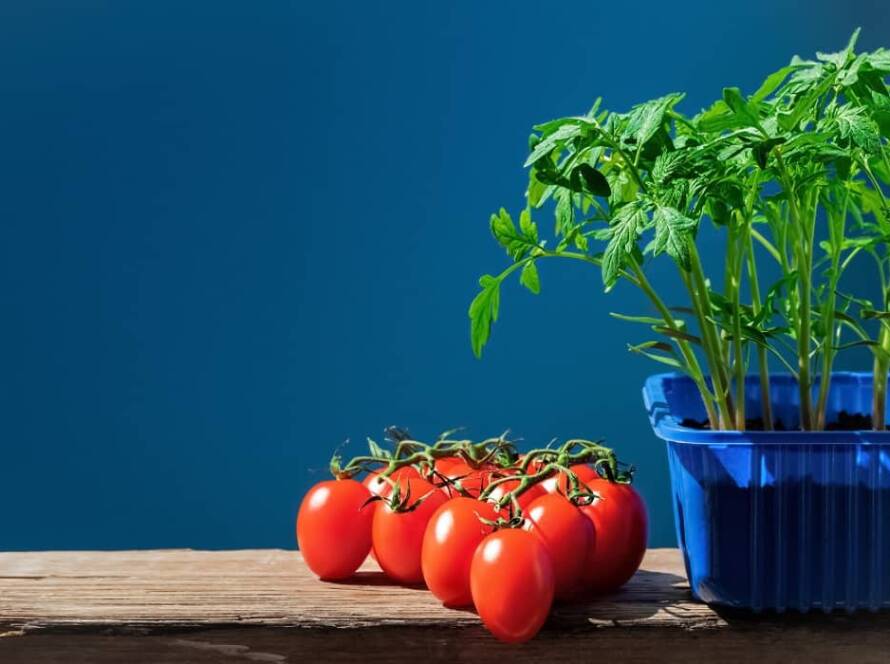
Tomatoes are another excellent addition to a beginner’s vegetable garden. They can be grown in pots or grow bags, making them suitable for terraces, balconies, and other limited spaces.
Tomato plants usually need a sunny location. As the plant becomes taller, provide a stake or another suitable support to prevent the branches from bending under their own weight.
Pay attention to watering, particularly during hot weather. Too much water can be as problematic as too little, so check the growing medium before watering.
5. Grow Bhindi in Warm Weather
Bhindi, or okra, can be a rewarding crop for gardeners living in warm conditions. It needs sufficient sunlight and a container or garden space where its roots have room to develop.
Once the plant starts producing pods, harvest them while they are still young and tender. Regularly checking the plant can also help you notice insects, damaged leaves, or other problems before they become serious.
6. Make Use of Vertical Space With Beans
If floor space is limited, beans can help you make better use of your garden vertically. Some varieties climb upward when given a suitable support.
A simple trellis, net, or bamboo framework can guide the plant as it grows. This approach works particularly well on terraces and in gardens where horizontal space is restricted.
Give Your Plants the Right Growing Conditions
Growing easy to grow vegetables at home in india becomes much simpler when basic plant requirements are understood.
Sunlight
Most vegetable plants need good sunlight for healthy development. Observe your space and identify areas that receive several hours of direct light. Place plants according to their individual sunlight requirements.
Soil
Avoid using dense soil that prevents proper drainage. A loose growing medium enriched with mature compost can create a healthier environment for roots.
Water
Do not water plants simply because it is part of your daily routine. Touch the upper layer of the soil to check its moisture. Water when the plant actually needs it, while considering temperature and rainfall.
Nutrients
Vegetables gradually use nutrients from their growing medium. Adding suitable organic compost at appropriate intervals can help maintain soil fertility.
Protect Your Home Vegetable Garden
Regular observation is one of the easiest ways to prevent gardening problems. Look underneath leaves for insects, check for unusual spots, and notice changes in plant growth.
Remove damaged leaves when appropriate and maintain enough space between plants for air circulation. Keeping containers clean and ensuring proper drainage can also reduce avoidable problems.
Do not worry if every plant grows perfectly. Gardening involves experimentation, and each season provides an opportunity to understand what works best in your particular environment.
Make Your Garden More Attractive
Your home garden does not have to contain vegetables alone. You can combine edible plants with decorative greenery and flowering varieties to create a more inviting space.
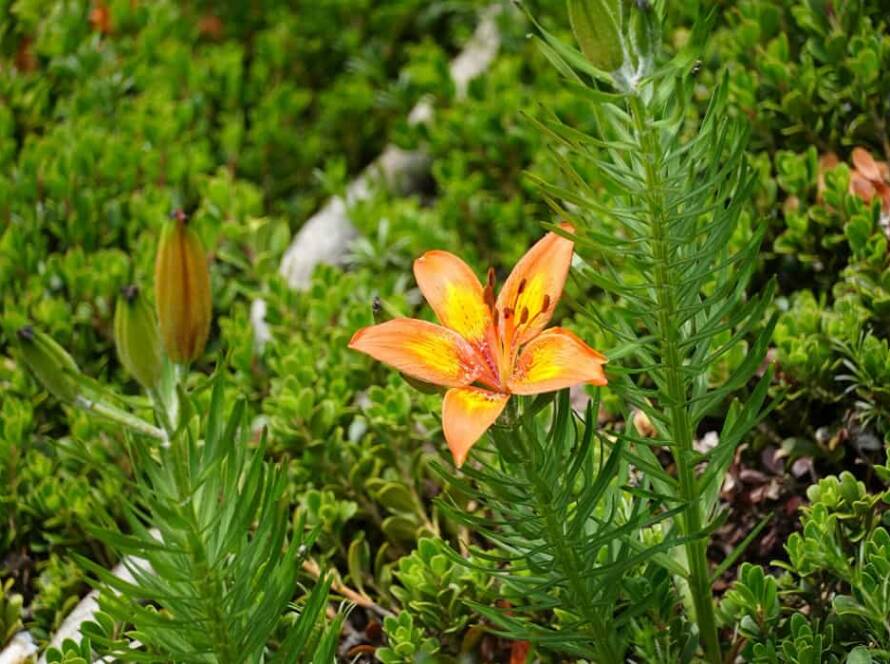
For additional colour and beauty, you can explore evergreen flowering plants in india and select varieties that complement your available space and growing conditions.
Conclusion
Home vegetable gardening is a rewarding activity that can be started without complicated equipment or extensive experience. The key is to select suitable plants, understand their basic requirements, and provide consistent care.
Spinach, chillies, radishes, tomatoes, bhindi, and beans are some useful options for beginners. By starting with a few plants and learning through experience, you can gradually create a productive garden suited to your home.
With the right approach, easy to grow vegetables at home in india can become more than an SEO topic. They can become a practical way to enjoy gardening and fresh produce right outside your door.
FAQs
1. Which vegetables are suitable for beginners in India?
Spinach, chillies, radishes, tomatoes, bhindi, and beans can be good starting options. The best choice depends on your location, season, sunlight, and available space.
2. Can vegetables be grown on a balcony?
Yes. Many vegetables can be cultivated in pots and grow bags on balconies, provided the space receives suitable sunlight and has adequate drainage.
3. How can I avoid overwatering vegetable plants?
Check the moisture of the soil before watering. If the growing medium is already damp, wait until the upper layer becomes somewhat dry before adding more water.
4. Do vegetables need direct sunlight?
Many vegetables require several hours of sunlight for healthy growth. However, exact requirements differ between plants, so select varieties according to your available light.
5. Is compost useful for a home vegetable garden?
Yes. Good-quality, mature compost can add organic matter and nutrients to the growing medium. Use it appropriately rather than adding excessive amounts.