
Growing your own vegetables is one of the easiest ways to enjoy fresh, healthy food while spending more time with nature. Today, many families are creating small home gardens to reduce grocery costs and enjoy chemical-free produce. Choosing the right kitchen garden vegetables in India is the first step toward building a productive garden. With proper planning, suitable vegetable varieties, and regular care, anyone can grow fresh vegetables at home, whether they have a backyard, terrace, or balcony.
Why Every Home Should Have a Kitchen Garden
A kitchen garden offers much more than fresh vegetables. It encourages healthier eating, reduces dependence on market produce, and gives you access to organic vegetables picked at the right time. Home-grown vegetables are often fresher and more flavourful because they are harvested just before use.
Growing vegetables at home can also help save money over time. Families can involve children in planting and caring for vegetable plants, making gardening both educational and enjoyable. It also supports sustainable living by reducing food waste and encouraging composting of kitchen scraps.
Choosing the Best Kitchen Garden Vegetables in India
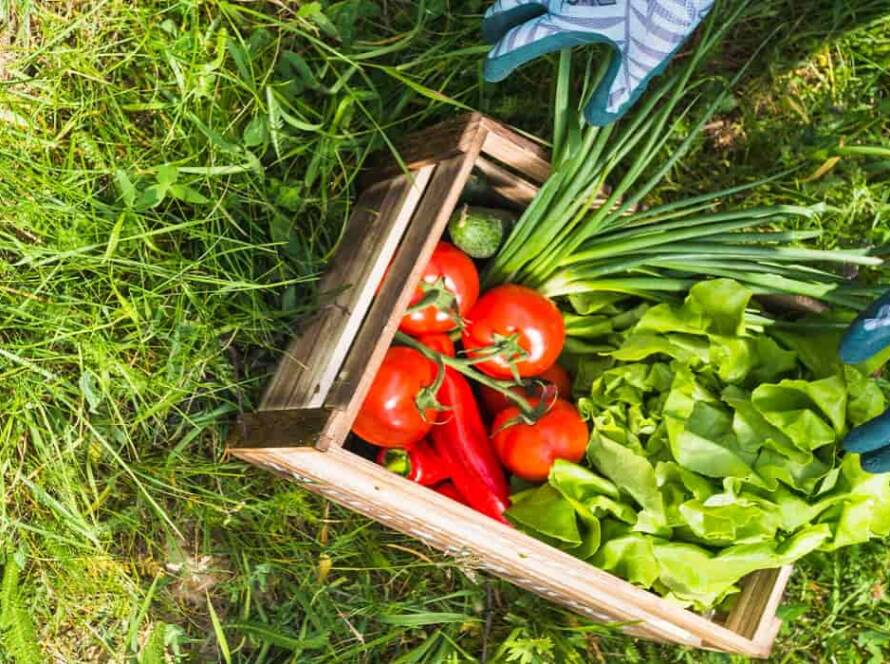
Selecting vegetables that suit the Indian climate makes gardening much easier. Beginners should start with crops that grow quickly and require minimal maintenance. Tomato is one of the most popular choices because it grows well in containers and provides regular harvests. Spinach and fenugreek grow quickly and can be harvested several times during the season.
Coriander is another excellent option because it needs little space and is used regularly in Indian cooking. Green chilli plants remain productive for months with proper care. Okra and brinjal thrive during warm weather and are ideal for home kitchen gardens.
Root vegetables such as radish and carrot perform well during cooler months. Bottle gourd is another rewarding choice if you have enough vertical space for climbing vines. Combining root crops, fruiting plants, and green vegetables helps guarantee a year-round supply of fresh vegetables.
How to Prepare Your Kitchen Garden for Healthy Growth
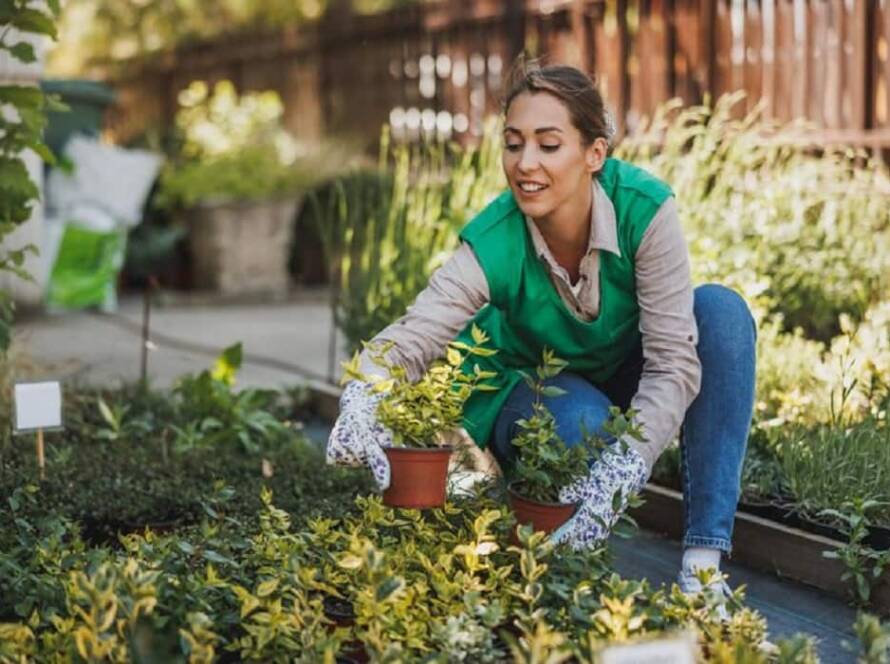
Good preparation lays the foundation for a successful harvest. Pick a spot that gets at least six hours of sunlight every day. If space is limited, container gardening using pots, grow bags, or raised beds works just as well as planting directly in the ground.
Healthy soil is equally important. Mix garden soil with compost and organic matter to improve fertility and drainage. Good-quality compost supplies nutrients that vegetable plants need for steady growth. Make sure containers have drainage holes to prevent water from collecting around the roots.
Always purchase healthy vegetable seeds or seedlings from a trusted nursery. Selecting seasonal varieties suited to your local weather improves germination and increases the chances of a productive harvest. Preparing your garden carefully at the beginning saves time and effort later in the growing season.
Essential Care Tips for a Productive Kitchen Garden
Once your vegetables begin growing, regular care becomes the key to healthy plants and better harvests. Water your garden consistently, preferably in the early morning or evening, so the soil stays moist without becoming waterlogged. Applying organic fertilizers and compost every few weeks helps replenish nutrients naturally.
Mulching around plants helps retain moisture and reduces weed growth. Inspect plants regularly for pests and remove affected leaves before the problem spreads. Natural pest control methods, such as neem oil or homemade organic sprays, are safer for home gardens. Harvest vegetables at the right time to encourage continuous production and better-quality produce.
Common Kitchen Gardening Mistakes to Avoid
Many beginners face problems because of a few avoidable mistakes. Overwatering is one of the most common issues, as it can damage roots and encourage fungal diseases. Poor drainage creates similar problems, especially in pots and containers.
Another mistake is overcrowding plants. Leaving enough space between vegetable plants improves airflow and reduces the risk of pests and diseases. Growing vegetables outside their suitable season can also affect growth and yield. Providing enough sunlight and improving soil health regularly will help your garden remain productive throughout the year.
How to Enjoy Fresh Vegetables Throughout the Year
A successful kitchen garden requires planning for every season. Crop rotation keeps the soil healthy by reducing nutrient depletion and lowering the chances of recurring pests. Succession planting, where new seeds are sown every few weeks, ensures a continuous harvest instead of producing everything at once.
Mixing fast-growing vegetables like spinach and coriander with slower-growing crops such as brinjal and bottle gourd helps make better use of available space. Regular composting, seasonal planting, and timely harvesting allow you to enjoy fresh vegetables throughout the year while keeping your garden healthy and productive.
Conclusion
Building a thriving kitchen garden is easier than many people imagine. By selecting the right kitchen garden vegetables in India, preparing healthy soil, and following simple care practices, you can enjoy fresh, home-grown vegetables in every season. Gardening also promotes healthier eating, sustainable living, and quality family time. For more practical gardening advice, be sure to explore our guide on tips for indoor gardening in rajasthan.
FAQs
1. Which are the easiest kitchen garden vegetables in India to grow?
Tomato, spinach, coriander, fenugreek, green chilli, and radish are among the easiest vegetables for beginners. They adapt well to the Indian climate, grow quickly, and can be cultivated in gardens, containers, or grow bags with basic care.
2. What is the best season to grow vegetables in India?
The ideal season depends on the vegetable. Leafy greens and root vegetables usually grow well during cooler months, while crops like okra, brinjal, chilli, and bottle gourd thrive in warmer weather. Choosing seasonal varieties improves plant health and harvest quality.
3. Can I grow vegetables in containers or pots?
Yes. Many vegetables grow successfully in containers, pots, and grow bags. Ensure each container has good drainage, quality potting mix, enough sunlight, and regular watering. Container gardening is an excellent choice for balconies, terraces, and small urban homes.
4. How often should I water a kitchen garden?
Most vegetable plants need watering when the top layer of soil begins to dry. The frequency depends on the weather, soil type, and plant variety. Watering early in the morning helps reduce evaporation and supports healthy plant growth.
5. Which kitchen garden vegetables in India are best for beginners?
Beginners can start with tomato, coriander, spinach, fenugreek, radish, green chilli, and okra. These vegetables are relatively easy to grow, require simple maintenance, and produce satisfying harvests, making them ideal for anyone starting a home kitchen garden.