
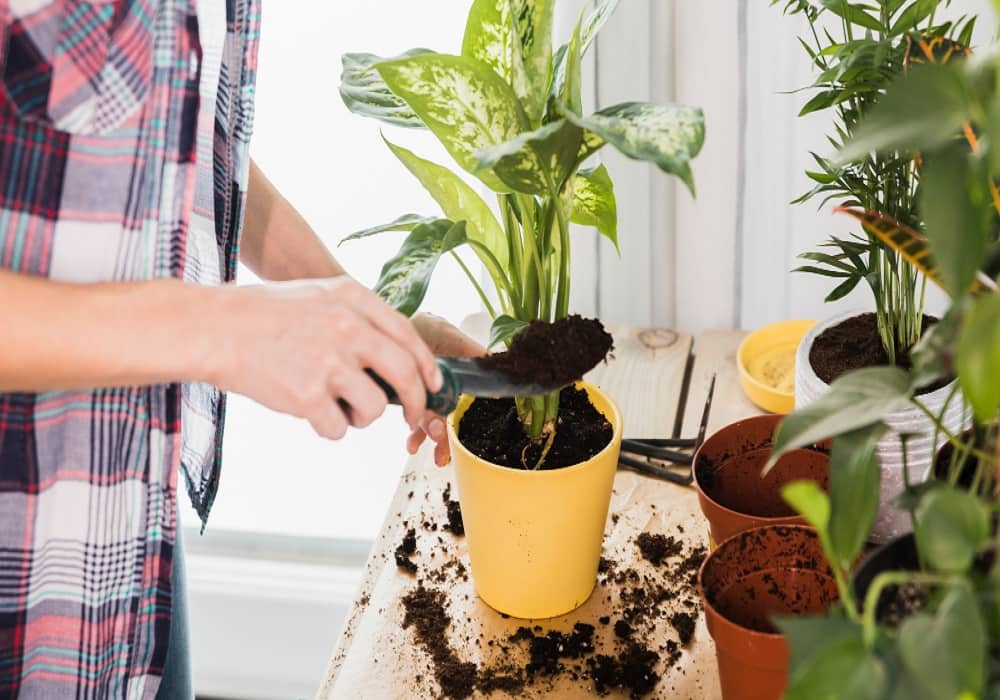
Gardening is no longer limited to large backyards. Today, many people grow beautiful plants, herbs, flowers, and vegetables in balconies, terraces, patios, and even small apartment corners. This is why container gardening ideas for small spaces have become increasingly popular among urban gardeners and homeowners. With the right containers, plant selection, and care routine, anyone can create a thriving garden regardless of available space.
Why Container Gardening Is Ideal for Small Spaces
Flexibility is one of container gardening’s main benefits. Containers can be placed almost anywhere, making them perfect for small space gardening. Whether you live in an apartment or a house with limited outdoor space, containers allow you to grow plants without needing a traditional garden bed.
Container gardening also makes plant care easier. You can move containers to receive more sunlight, protect them from harsh weather, or rearrange them to improve the appearance of your garden. For people interested in urban gardening, containers offer a practical and attractive solution.
How to Choose the Right Containers
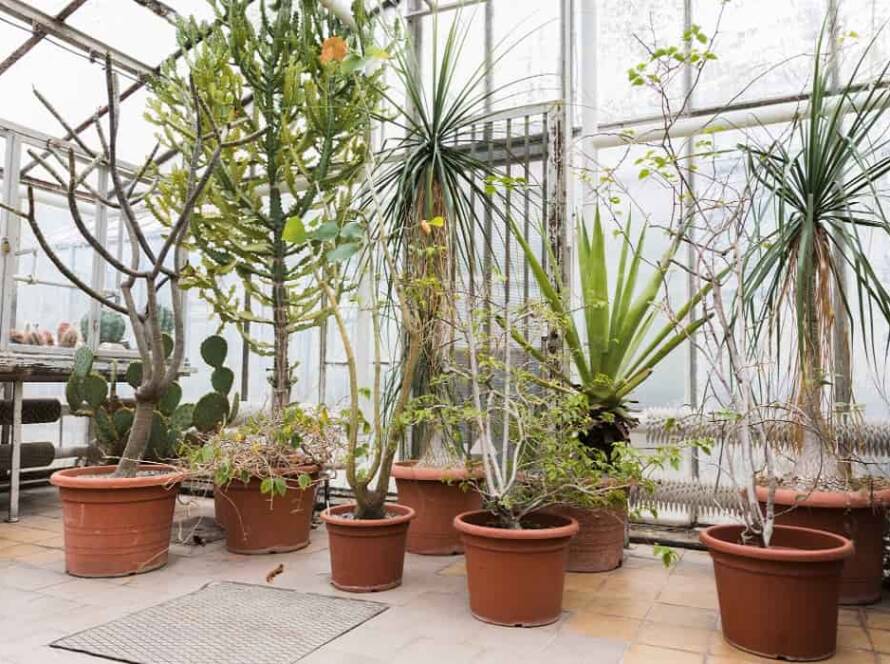
Selecting the right container is one of the most important container gardening ideas for small spaces. Different plants require different container sizes. Herbs can grow well in smaller pots, while vegetables like tomatoes and peppers need larger containers.
Drainage is equally important. Containers should have drainage holes to prevent water from collecting around the roots. Excess moisture can lead to root rot and poor plant growth. Materials such as clay, ceramic, plastic, and fabric grow bags all work well depending on your needs and budget.
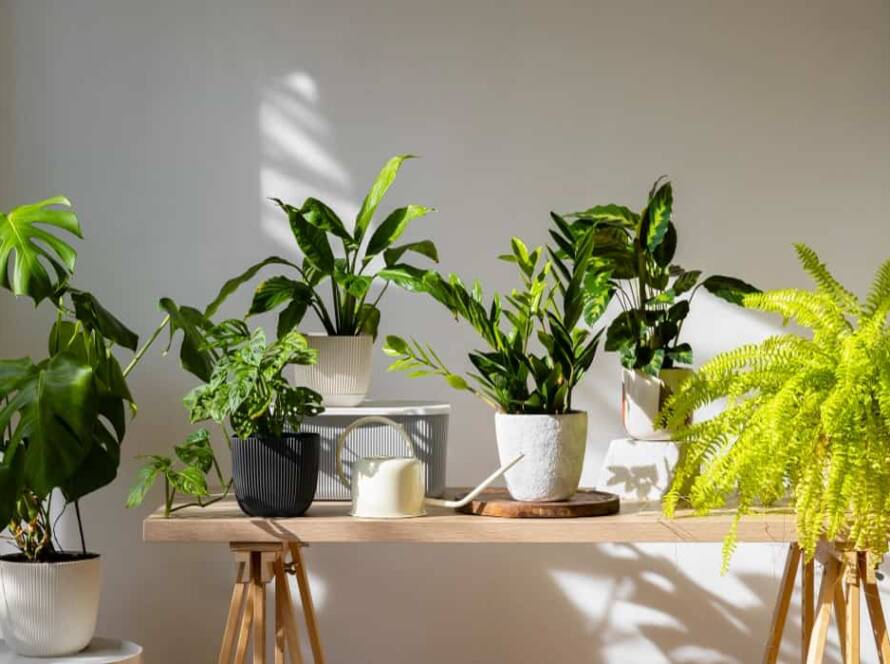
When choosing containers, consider both functionality and appearance. Attractive pots can enhance the overall look of balconies, terraces, and indoor spaces.
What Are the Best Plants for Container Gardening?
Many plants thrive in containers. Herbs such as basil, mint, coriander, and parsley are excellent choices for beginners. They offer fresh ingredients for cooking and take up very little room.
Any container garden is enhanced with color and charm by flowers like zinnias, marigolds, and petunias. If you enjoy container vegetable gardening, consider growing tomatoes, chilies, spinach, lettuce, and beans.
Indoor and outdoor plants can both succeed in containers when their sunlight and watering requirements are met. Selecting plants suited to your climate increases the chances of successful growth.
Creative Vertical Container Gardening Ideas
When floor space is limited, vertical gardening ideas can help maximize growing areas. Vertical container gardening uses walls, railings, shelves, and hanging structures to grow plants upward rather than outward.
Hanging baskets work well for flowering plants and trailing vines. Wall-mounted planters can be used for herbs and leafy vegetables. Multi-tier plant stands are another excellent option for gardening in apartments where every inch matters.
Vertical gardening not only saves space but also creates an attractive green feature that enhances balconies and patios.
Balcony and Terrace Container Gardening Tips
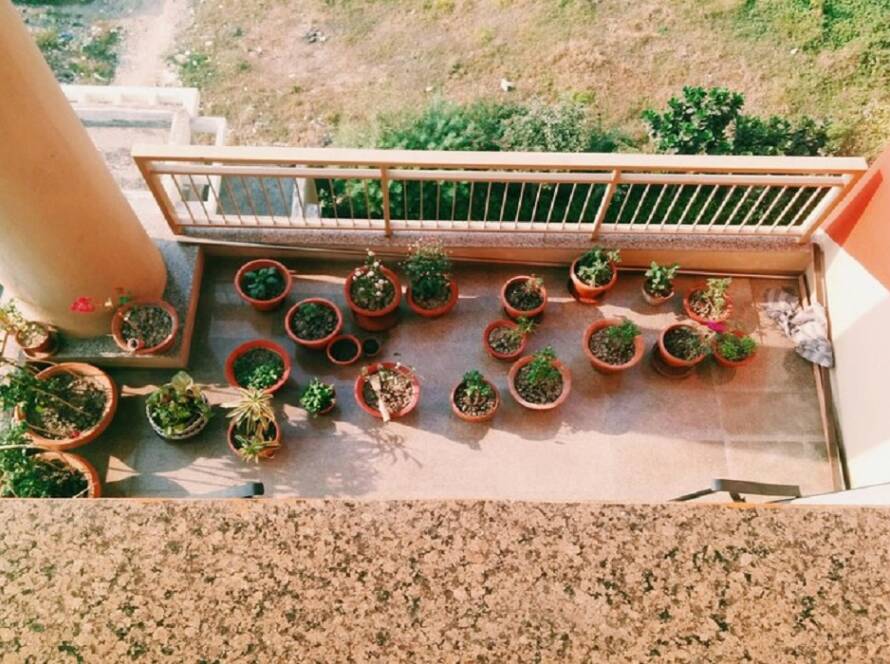
Balcony garden ideas and terrace gardening projects require careful planning. The first step is evaluating sunlight exposure. Most vegetables and flowering plants need at least six hours of sunlight each day.
Arrange taller plants at the back and shorter plants at the front to ensure every plant receives adequate light. Grouping containers together can also create a more organized and visually appealing garden.
Wind exposure is another consideration for balconies and rooftops. Secure lightweight containers and select sturdy plants that can tolerate outdoor conditions. These simple adjustments can significantly improve gardening success.
Watering and Maintenance Essentials
Proper watering is one of the most important home gardening tips for container gardens. Unlike traditional garden beds, containers dry out more quickly because they hold less soil.
Check soil moisture regularly by touching the top layer. Water when the soil feels dry but avoid overwatering. Early morning watering is generally the best option because it allows plants to absorb moisture before temperatures rise.
Regular maintenance includes removing dead leaves, trimming overgrown branches, and applying organic compost when needed. Consistent care keeps plants healthy and productive throughout the growing season.
Common Mistakes to Avoid in Container Gardening
Many beginners make simple mistakes that affect plant growth. Using containers that are too small is a common problem. Restricted root space limits plant development and reduces yields.
Poor drainage is another issue. Without proper drainage holes, excess water can damage roots. Overcrowding plants is also a frequent mistake. While it may seem efficient, overcrowding reduces airflow and increases competition for nutrients.
Ignoring sunlight requirements can also lead to disappointing results. Before planting, research how much light each plant needs. Following these beginner gardening tips can help prevent common problems and improve success.
Conclusion
Container gardening offers a practical and rewarding way to grow plants in limited spaces. By selecting the right containers, choosing suitable plants, using vertical gardening techniques, and following proper maintenance practices, anyone can create a beautiful and productive garden at home. You don’t need a big yard to enjoy gardening, as these small-space container gardening ideas demonstrate.
For more gardening inspiration, must visit our blog on kitchen garden vegetables in india.
Start small, experiment with different plants, and enjoy the satisfaction of creating your own green space at home.
FAQs
What are the best plants for container gardening in small spaces?
Herbs such as basil, mint, and coriander are excellent choices. Vegetables like tomatoes, lettuce, spinach, and chilies also grow well in containers. Flowering plants such as marigolds and petunias are popular options for adding color.
How often should container plants be watered?
Watering frequency depends on weather, container size, and plant type. Most container plants should be checked daily, especially during hot weather. Water when the top layer of soil feels dry.
Can vegetables grow well in containers?
Yes. Many vegetables thrive in containers when provided with enough sunlight, quality soil, and proper watering. Tomatoes, peppers, spinach, lettuce, beans, and herbs are particularly suitable.
What is the best container size for gardening?
The ideal size depends on the plant. Small herbs can grow in pots around 6 to 8 inches deep, while vegetables often require containers that are at least 12 to 18 inches deep.
How do I start container gardening at home?
Begin by selecting a sunny location, choosing containers with drainage holes, filling them with quality potting mix, and planting suitable herbs, vegetables, or flowers. Start with a few easy plants and expand your garden gradually.