
Growing your own vegetables at home is one of the most satisfying and healthy habits you can build. A kitchen garden not only gives you fresh and chemical-free produce but also adds a sense of peace and connection with nature. Whether you have a balcony, terrace, or small backyard, you can easily grow a variety of kitchen garden vegetables in India with simple care and planning.
In recent years, more families across India have started growing their own food at home. It helps reduce dependency on market vegetables and ensures better quality for daily meals. The good news is that even beginners can start small and gradually build a productive kitchen garden.
Why Kitchen Gardening Is Becoming Popular
Kitchen gardening is gaining popularity because people are becoming more aware of health and food quality. Homegrown vegetables are fresher, more nutritious, and free from harmful chemicals when grown organically.
Another reason is convenience. You can simply step outside and pick vegetables whenever needed. It also helps save money in the long run and reduces waste.
For many people, gardening also works as a stress reliever. Spending time with plants can feel calming and refreshing. This is why growing kitchen garden vegetables in India is becoming a lifestyle choice for many households.
Best Kitchen Garden Vegetables in India
India’s climate supports a wide range of vegetables throughout the year. Some vegetables are especially easy to grow and are perfect for beginners.
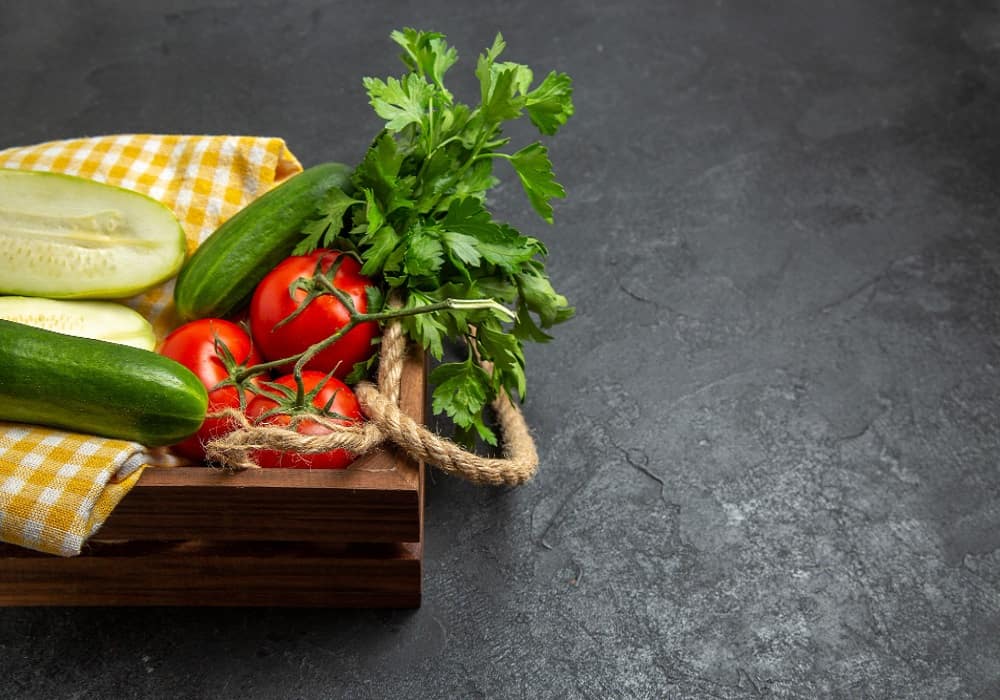
Tomatoes are one of the most popular choices because they grow well in pots and are used daily in cooking. Chillies are another easy option that requires minimal care. Spinach, coriander, and fenugreek are fast-growing leafy vegetables that can be harvested quickly.
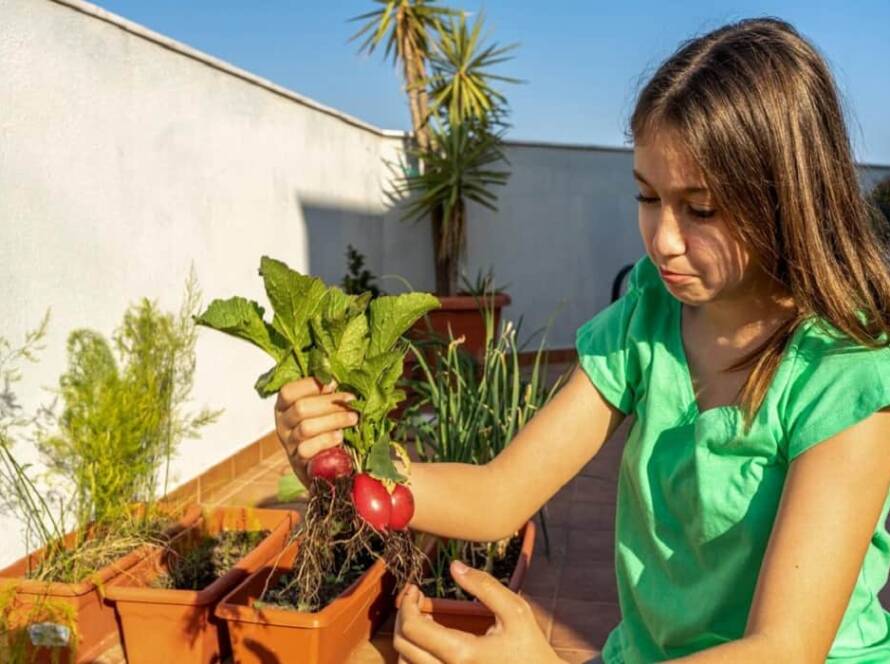
You can also grow brinjal, okra, beans, radish, and carrots depending on the season. Bottle gourd and bitter gourd grow well with proper support and space.
Starting with these varieties makes growing kitchen garden vegetables in India simple and enjoyable.
Choosing the Right Space and Containers
You do not need a large garden to grow vegetables. Even a small balcony or terrace can be enough. Choose a place that receives at least 4 to 6 hours of sunlight daily.
Use pots, grow bags, or recycled containers with proper drainage holes. Different vegetables require different container sizes. Leafy greens can grow in shallow pots, while root vegetables and larger plants need deeper containers.
Good airflow and sunlight are important for healthy growth. Proper setup ensures better results when growing kitchen garden vegetables in India.
Soil and Compost for Healthy Growth
Healthy soil is the foundation of a successful kitchen garden. Avoid using heavy garden soil directly. Instead, prepare a light and well-draining potting mix.
A simple mix can include garden soil, compost, cocopeat, and sand. Compost provides nutrients that plants need for growth. You can use kitchen waste compost or organic manure.
Regularly adding compost keeps the soil rich and supports plant health. Good soil quality plays a big role in growing strong kitchen garden vegetables in India.
Watering and Sunlight Tips
Watering is one of the most important parts of plant care. Most vegetables need consistent moisture, but overwatering should be avoided. Always check the top layer of soil before watering.
Early morning watering is usually best, especially during summer. In hotter regions, plants may need watering more frequently. During monsoon, make sure water does not collect in pots.
Sunlight is equally important. Most vegetables need direct sunlight to grow well and produce healthy yields. Proper care helps maintain productive kitchen garden vegetables in India.
Seasonal Planning for Better Results
Understanding seasons helps you grow the right vegetables at the right time. In winter, vegetables like spinach, carrot, radish, peas, and cabbage grow well. Summer is suitable for okra, chilli, cucumber, and gourds.
Monsoon can support leafy vegetables and certain climbing plants if drainage is managed properly. Planning according to seasons improves growth and harvest quality.
Rotating crops and trying new varieties each season keeps your kitchen garden active and productive.
If you want more guidance on growing plants successfully, you can also explore tips for gardening at home to improve your gardening skills.
Seasonal planning makes growing kitchen garden vegetables in India more efficient and rewarding.
Common Mistakes to Avoid
Many beginners make simple mistakes that affect plant growth. Overwatering is one of the most common issues and can damage roots.
Using poor quality soil or not adding enough compost may lead to weak plants. Lack of sunlight can also reduce growth and yield.
Ignoring pests can harm plants quickly. Regular inspection helps you take action early. Natural solutions like neem oil can be useful for pest control.
Avoiding these mistakes makes it easier to grow healthy kitchen garden vegetables in India.
Benefits of Growing Vegetables at Home
There are many benefits to having a kitchen garden. Fresh vegetables improve your daily diet and support a healthier lifestyle.
Gardening also encourages physical activity and reduces stress. It can become a fun family activity where children learn about nature and food.
You also gain control over what you eat. Growing your own food builds confidence and satisfaction.
These benefits make growing kitchen garden vegetables in India a valuable habit for every home.
Conclusion
Starting a kitchen garden is easier than it may seem. With the right space, soil, sunlight, and care, anyone can grow fresh vegetables at home. Even a few pots can make a big difference in your daily meals.
By choosing simple vegetables, following seasonal plans, and maintaining healthy soil, you can enjoy regular harvests. Growing kitchen garden vegetables in India is not just about food, it is about creating a healthier and more peaceful lifestyle.
Take the first step today and experience the joy of growing your own vegetables.
FAQs
Which vegetables are easiest to grow in a kitchen garden in India?
Tomato, chilli, spinach, coriander, fenugreek, and okra are some of the easiest options.
How much sunlight do kitchen garden vegetables need?
Most vegetables need at least 4 to 6 hours of sunlight daily.
Can I grow vegetables in small spaces?
Yes, many vegetables can grow in pots, grow bags, or small balcony spaces.
How often should I water my plants?
Water when the top soil feels dry. Frequency depends on weather and plant type.
Is compost necessary for kitchen gardening?
Yes, compost provides nutrients and helps plants grow healthier and stronger.