
Starting home gardening is one of the most rewarding habits you can build. Whether you live in a small apartment or a house with open space, growing plants at home brings freshness, positivity, and a sense of achievement. For beginners, it may feel a little confusing at first, but with the right guidance, anyone can create a beautiful green space.
Home gardening not only improves your surroundings but also supports a healthier lifestyle. From growing your own vegetables to adding decorative plants, it’s a simple step toward a better daily routine.
Why Home Gardening Is Perfect for Beginners
Home gardening is easy to start and does not require advanced skills. You can begin with a few pots, basic tools, and simple plants. Over time, as you gain confidence, you can expand your garden.
One of the biggest advantages is that you can control what you grow. You can choose organic methods, avoid harmful chemicals, and enjoy fresh produce right from your home. It also helps reduce stress and keeps you connected with nature.
Choosing the Right Location for Home Gardening
The success of your home gardening journey depends a lot on where you place your plants. Most plants need good sunlight, fresh air, and proper space to grow.
Try to choose a spot like a balcony, terrace, or near a window where your plants can get at least 4 to 6 hours of sunlight daily. If sunlight is limited, you can start with indoor plants that require less light.
Make sure the area has proper drainage to avoid water accumulation, which can harm your plants.
Selecting the Best Plants for Beginners
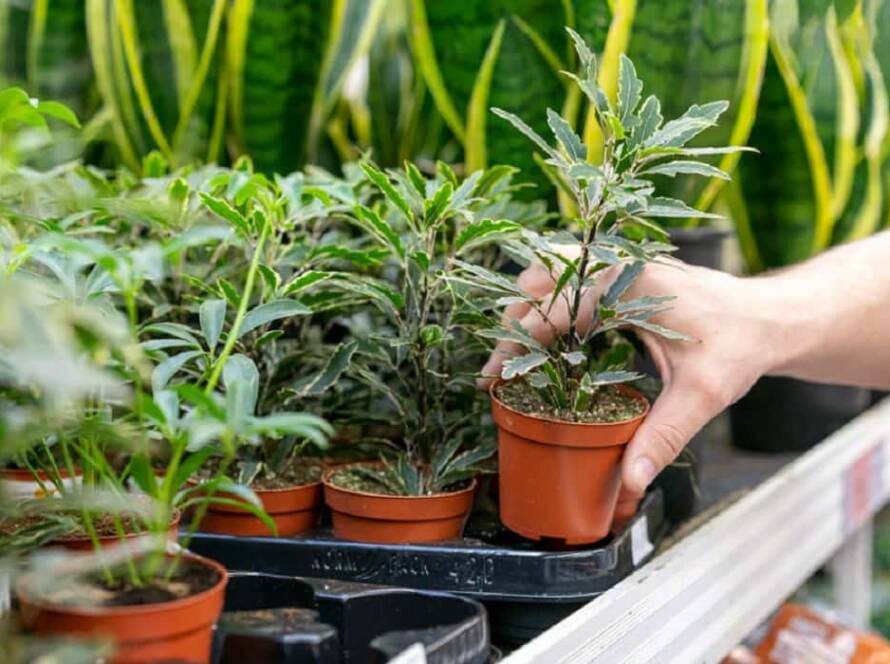
When starting home gardening, it’s important to choose plants that are easy to grow and maintain. This helps build confidence and keeps you motivated.
Some beginner-friendly options include herbs like mint, coriander, and basil, as well as vegetables like tomatoes, spinach, and chillies. Flowering plants like marigold and petunia are also great choices for adding color to your garden.
Starting small with simple plants allows you to learn the basics without feeling overwhelmed.
Understanding Soil and Pot Selection
Healthy soil is the foundation of successful home gardening. Good soil should be rich in nutrients, well-draining, and slightly loose to allow roots to grow easily.
You can use a mix of garden soil, compost, and sand or cocopeat for better results. Organic compost improves soil fertility and supports plant growth naturally.
Choosing the right pot is equally important. Ensure that your pots have drainage holes to prevent waterlogging. You can use clay pots, plastic containers, or even recycled items for your garden.
Watering Plants the Right Way
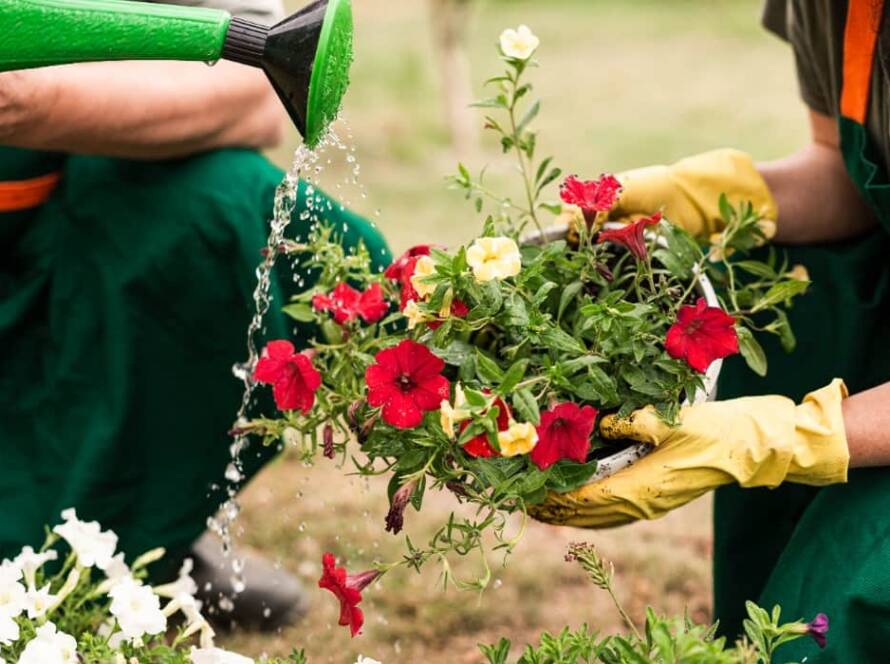
Watering is one of the most important aspects of home gardening, but many beginners either overwater or underwater their plants.
Plants should be watered based on their needs and the weather conditions. During summer, they may need more water, while in winter, less frequent watering is enough.
Always check the top layer of soil before watering. If it feels dry, it’s time to water. Proper watering keeps plants healthy and prevents root damage.
Importance of Sunlight and Air
Sunlight plays a key role in plant growth. Without enough sunlight, plants may become weak and fail to grow properly.
In home gardening, try to place your plants in areas where they can receive natural light. Rotate your pots occasionally so that all sides of the plant get equal sunlight.
Good air circulation is also important. It helps prevent pests and diseases and keeps your plants fresh and healthy.
Using Organic Fertilizers for Better Growth
Fertilizers provide essential nutrients that plants need to grow. For home gardening, it is always better to use organic fertilizers like compost, kitchen waste compost, or vermicompost.
These natural options improve soil quality and are safe for both plants and humans. Regular feeding, once every few weeks, can boost plant growth and increase yield.
Protecting Plants from Pests and Diseases
Pests can damage your plants if not controlled in time. In home gardening, you can use simple and natural methods to protect your plants.
Neem oil spray, soap water solution, and proper cleaning of leaves can help keep pests away. Avoid using harmful chemicals, especially if you are growing edible plants.
Regularly checking your plants helps you detect any issues early and take quick action.
Growing Your Own Vegetables at Home
One of the most exciting parts of home gardening is growing your own vegetables. Fresh, homegrown vegetables are healthier and taste better.
You can start with easy vegetables like tomatoes, spinach, chillies, and beans. These plants grow well in Indian conditions and require basic care.
If you are looking for quick results, you can also explore our detailed guide on fastest growing vegetables at home in india, which helps beginners grow vegetables in less time with simple steps.
Staying Consistent and Patient
Success in home gardening does not happen overnight. Plants take time to grow, and each plant has its own pace.
Stay consistent with watering, sunlight, and care. Do not get discouraged if some plants do not grow as expected. Gardening is a learning process, and every mistake helps you improve.
With patience and regular effort, you will see your garden flourish over time.
Conclusion
Starting home gardening is a simple yet powerful step toward a healthier and happier lifestyle. It allows you to connect with nature, grow your own food, and create a peaceful environment at home.
By following basic tips like choosing the right plants, providing proper care, and staying consistent, even beginners can build a beautiful garden. Over time, your small efforts will turn into a green space that brings joy and satisfaction every day.
FAQs
1. What is home gardening?
Home gardening is the practice of growing plants, vegetables, or flowers in your home space like a balcony, terrace, or backyard.
2. Is home gardening easy for beginners?
Yes, home gardening is easy to start with simple plants and basic care. With time, you can learn and expand your garden.
3. How much sunlight do plants need?
Most plants need 4 to 6 hours of sunlight daily, but some indoor plants can grow with less light.
4. How often should I water my plants?
Watering depends on the plant type and weather. Always check the soil before watering to avoid overwatering.
5. Which plants are best for beginners in home gardening?
Herbs like mint and coriander, and vegetables like tomatoes and spinach are great choices for beginners.