
Gardening at home is not just a hobby. It’s a way to connect with nature, grow fresh produce, and make your home greener and more lively. For beginners, starting a garden may feel a little confusing, but with simple guidance, anyone can enjoy seeing their plants thrive. This guide shares home gardening tips for beginners to help you get amazing results, whether you have a balcony, terrace, or backyard.
Why Home Gardening is Important
Home gardening brings many benefits. Growing your own vegetables, fruits, and herbs means fresh, healthy produce at your doorstep. Plants improve air quality, reduce stress, and make your home more beautiful. Gardening also teaches patience and responsibility. By following simple home gardening tips for beginners, even small spaces can turn into green, productive areas.
Choosing the Right Plants
For beginners, selecting easy-to-grow plants is very important. Start with hardy vegetables like tomatoes, spinach, lettuce, and beans. Herbs such as mint, coriander, and basil are perfect for beginners too. Easy flowering plants like sunflowers and marigolds are another option. Your gardening experience will be easier and more pleasurable if you choose plants that are appropriate for your climate.
Preparing the Soil
Good soil is the secret to healthy plants. Use well-drained soil and mix in compost or organic manure for nutrients. For potted plants, mix garden soil with sand and compost to ensure proper drainage. Healthy soil retains moisture, allows roots to grow freely, and supports strong plant growth.
Proper Watering Techniques
Watering is crucial, but overwatering can harm plants. Most vegetables and herbs need regular watering but prefer the soil to dry slightly between sessions. Water early in the morning or late in the evening to reduce evaporation. Potted plants may need more frequent watering, while garden beds retain moisture for longer.
Using the Right Containers
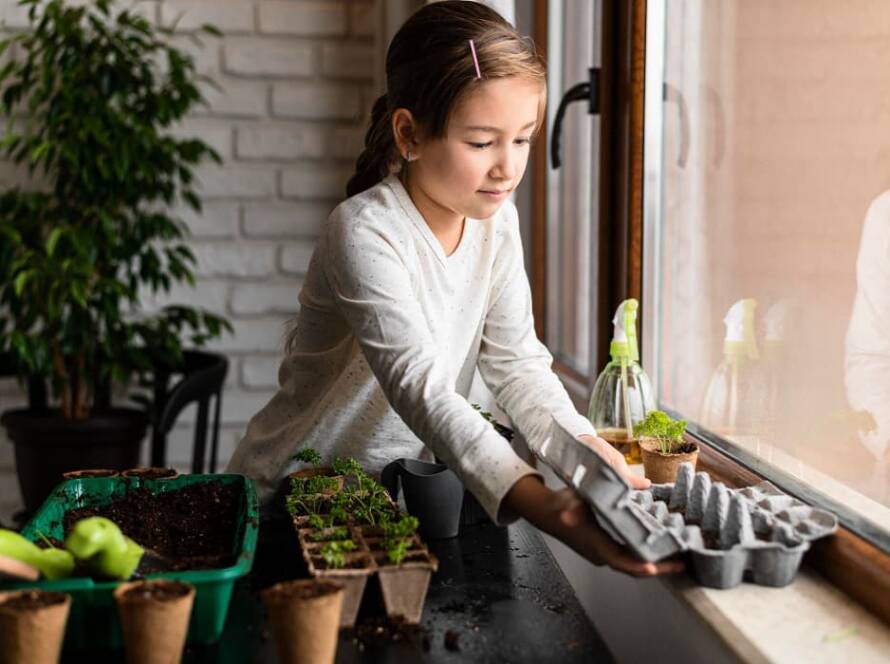
If you are starting in a small space, containers and pots are very helpful. Choose containers with proper drainage holes to prevent waterlogging. Large pots allow roots to grow comfortably. You can even reuse old containers or buckets with proper cleaning, making home gardening easy and budget-friendly.
Sunlight and Placement
Plants need sunlight to grow strong. Most vegetables and herbs need at least 4 to 6 hours of sunlight daily. Place your pots or garden beds where they receive enough sunlight. If you have limited sunlight, choose shade-tolerant plants like spinach or lettuce. Observing your plants regularly will help you understand their sunlight needs.
Fertilizers and Nutrients
Healthy plants need nutrients. Organic fertilizers like compost, cow dung, or vermicompost work best for beginners. They enrich the soil without harming the plants. Liquid fertilizers can also be used for faster growth. Avoid chemical-heavy fertilizers at the start to keep your garden natural and safe.
Pruning and Plant Care
Regular care helps plants grow better. Remove dead leaves, trim excess growth, and check for pests often. Pruning improves airflow and encourages healthy new growth. Keeping an eye on your plants and taking small steps every day can make a big difference in your garden’s productivity.
Dealing with Pests Naturally
Pests can be a challenge for beginners, but natural remedies are effective and safe. Neem oil, garlic spray, or soapy water can control common insects. Avoid harsh chemical pesticides, especially if you are growing vegetables for home consumption. Healthy soil and proper watering also reduce the risk of pest attacks.
Enjoying Your Garden
Gardening is rewarding, not just for the produce but for the experience itself. Enjoy the process of planting, watering, and watching your garden grow. Take notes on what works well, try new plants gradually, and celebrate small successes. Gardening brings joy, satisfaction, and a healthier lifestyle.
Conclusion
Starting a garden at home does not have to be difficult. By following simple home gardening tips for beginners, anyone can grow vegetables, herbs, and flowers successfully. Focus on choosing the right plants, preparing healthy soil, watering carefully, and providing proper sunlight and nutrients. With patience and consistent care, your home garden can flourish and give amazing results.
FAQs
1. What are the easiest vegetables for beginners to grow?
Tomatoes, spinach, lettuce, beans, and radish are easy to grow and require less care.
2. How often should I water my home garden?
Water your plants when the soil is slightly dry. Most plants need watering 2-3 times a week, more for potted plants.
3. Can I start gardening in a small balcony?
Yes. Use pots, containers, or vertical planters. Many herbs and vegetables grow well in small spaces.
4. Do I need fertilizers for home gardening?
Yes, organic fertilizers like compost, vermicompost, or cow dung enrich the soil and help plants grow healthy.
5. How do I protect my plants from pests naturally?
Use neem oil, garlic spray, or soapy water. Proper watering and clean soil also help prevent pests.