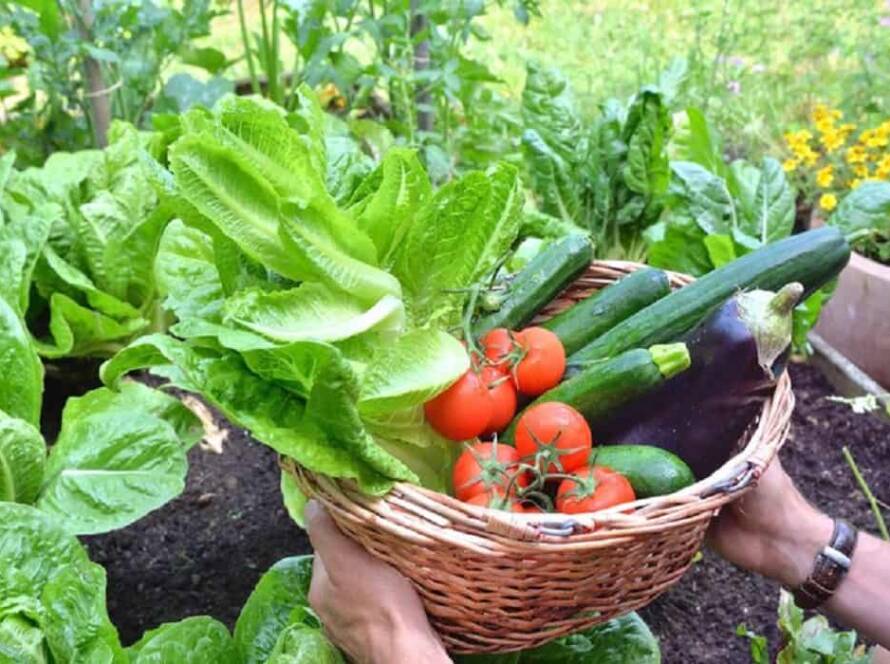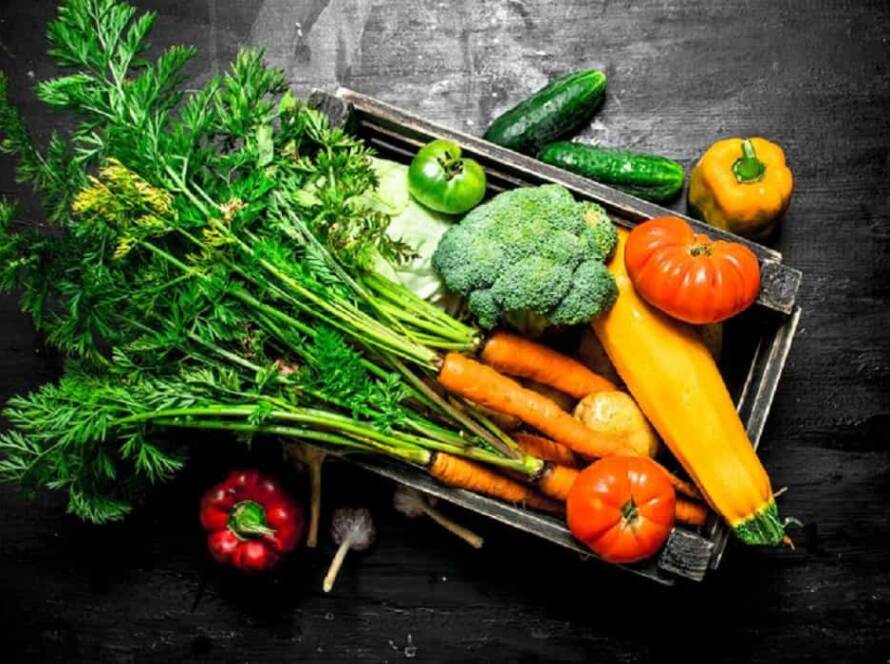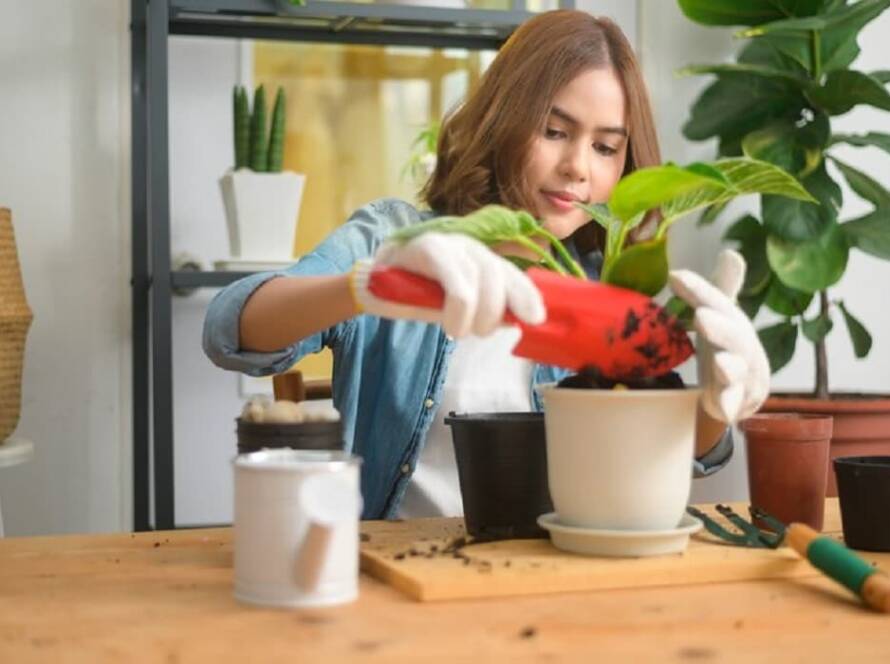

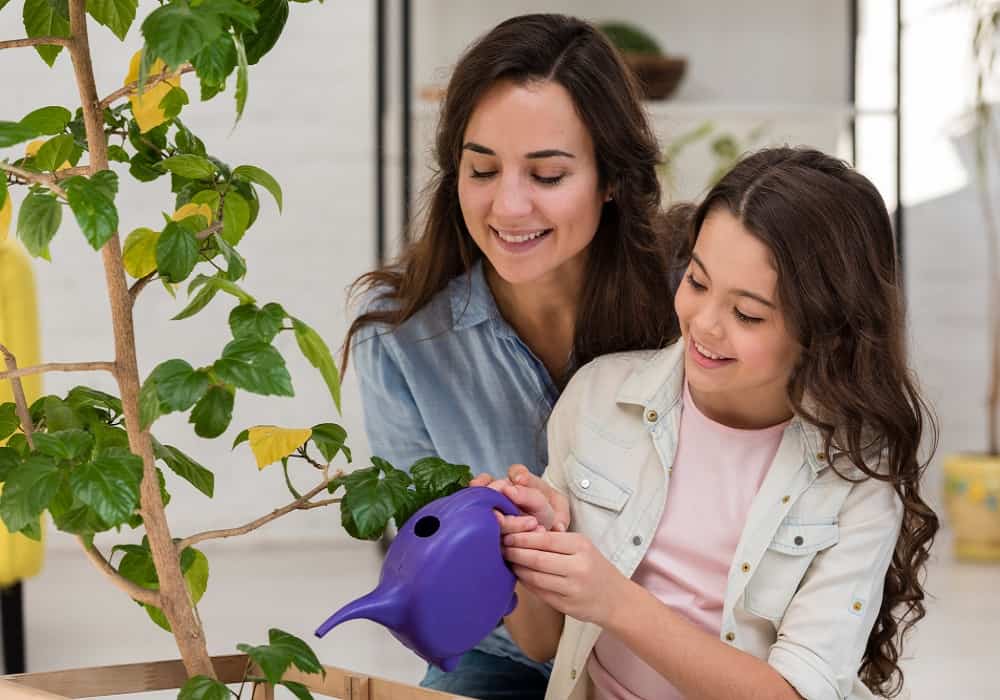
Gardening has become a favourite hobby for many Indian homes, whether in small balconies, terraces, or backyards. It not only brings fresh vegetables and flowers but also helps reduce stress and improves daily living. With the right gardening tips, even beginners can grow healthy plants without feeling confused or overwhelmed. Understanding basic practices and following a simple routine can make gardening enjoyable and rewarding for every home gardener.
Start Small and Choose the Right Plants
One of the most important gardening tips for beginners is to start small. Instead of growing many plants at once, begin with easy and low-maintenance options like tulsi, mint, tomatoes, chillies, or money plant. These plants adapt well to Indian weather and need less care. Starting small helps you understand plant needs and builds confidence before moving to more demanding varieties.
Understand Sunlight Requirements
Sunlight plays a major role in plant growth. Most vegetables and flowering plants need at least five to six hours of direct sunlight daily. Observe your balcony or garden space and note how sunlight moves during the day. Placing plants according to their sunlight needs is one of the most practical gardening tips. Leafy greens can grow in partial shade, while fruiting plants need full sun.
Use the Right Soil Mix
Healthy soil is the foundation of a successful garden. Plain garden soil is often too heavy and does not drain well. A good soil mix should be loose, airy, and rich in nutrients. Mixing garden soil with compost and sand or cocopeat improves drainage and supports root growth. This is one of the most essential gardening tips for growing strong and healthy plants at home.
Water Plants Correctly
Overwatering is a common mistake made by many home gardeners. Plants need water, but excess water can damage roots and invite pests. Always check the top layer of soil before watering. If it feels dry, it is time to water. Watering plants in the morning allows them to properly absorb moisture and maintain their freshness throughout the day. Balanced watering is one of the simplest yet effective gardening tips.
Choose the Right Pots and Containers
The choice of pots can affect plant health. To let extra water out, containers should always have the right drainage holes. Clay pots are ideal for Indian weather as they keep the soil cool, while plastic pots are lightweight and affordable. Choosing the right pot size ensures roots have enough space to grow, making this an important gardening tip for beginners.
Use Organic Compost and Fertilizers
Feeding plants with organic compost improves soil fertility naturally. Kitchen waste compost, cow dung manure, and vermicompost are excellent options for home gardens. These organic inputs provide nutrients slowly and improve soil structure. Avoid excessive chemical fertilizers, especially for edible plants. Using organic manure is one of the safest gardening tips for long-term plant health.
Protect Plants from Pests Naturally
Pests are a common issue in Indian gardens, especially during monsoon and summer. Neem oil spray, garlic spray, and soap water are effective natural solutions to control pests. Regularly check the underside of leaves and remove infected parts early. Natural pest control methods are eco-friendly gardening tips that keep plants safe without harming the environment.
Maintain Regular Pruning and Cleaning
Pruning helps plants grow better by removing dead or unhealthy parts. Trimming dried leaves, weak branches, and spent flowers improves air circulation and promotes new growth. Keeping pots clean and removing fallen leaves also prevents fungal infections. Regular maintenance is one of the easiest gardening tips to keep your plants fresh and productive.
Follow Seasonal Gardening Practices
Different plants grow better in different seasons. Summer vegetables, winter greens, and monsoon flowers each have their own growing periods. Understanding seasonal planting is a valuable gardening tip that improves success rates. Growing season-appropriate plants reduces effort and increases yield naturally.
Be Patient and Observe Your Plants
Gardening teaches patience. Plants take time to grow, flower, and produce fruits. Observing plant behaviour helps you understand their needs better. Yellow leaves, slow growth, or wilting are signs that something needs attention. Patience and observation are often ignored but powerful gardening tips for every home gardener.
Conclusion
Home gardening is a fulfilling activity that brings nature closer and improves overall well-being. By following simple gardening tips like choosing the right plants, using healthy soil, watering carefully, and protecting plants naturally, anyone can create a thriving garden at home. With regular care and patience, gardening becomes an easy and joyful part of daily life for Indian households.
FAQs
What are the best gardening tips for beginners in India?
Start with easy plants, use good soil, provide proper sunlight, and avoid overwatering.
How often should I water my plants?
Water plants only when the soil surface feels dry. Morning watering is best.
Which soil is best for home gardening?
A mix of garden soil, compost, and cocopeat or sand works well for most plants.
Can I garden without a terrace or backyard?
Yes, many plants grow well in pots on balconies, windowsills, and small spaces.
How can I control pests naturally at home?
Neem oil spray and homemade organic solutions are effective and safe for plants.