
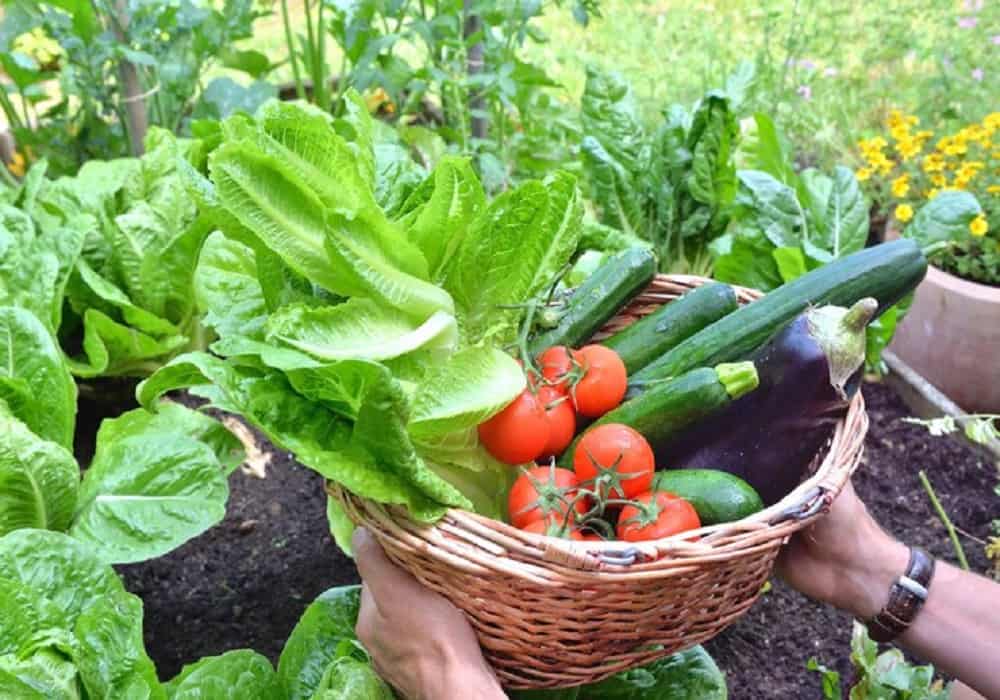
vegetable garden plantsGrowing your own vegetables at home is more than just a hobby—it’s a step toward a healthier lifestyle, fresher meals, and a sustainable environment. Organic gardening is becoming increasingly popular, especially among those who want to grow vegetable garden plants without harmful chemicals. This guide will help you choose the best plants, care for them naturally, and enjoy a bountiful harvest.
Why Choose Organic Vegetable Gardening?
Organic gardening avoids synthetic fertilizers, pesticides, and genetically modified seeds. By choosing organic methods, you:
- Grow healthier and more nutritious vegetables.
- Protect the soil ecosystem and beneficial insects.
- Reduce exposure to harmful chemicals for you and your family.
- Contribute to a sustainable and eco-friendly lifestyle.
Whether you have a backyard garden, terrace, or balcony, organic gardening is a rewarding way to grow fresh vegetable garden plants all year round.
Best Vegetable Garden Plants for Organic Gardening
Here are some top vegetable garden plants that thrive naturally and are easy to grow:
1. Tomatoes
Tomatoes are a favorite for home gardeners. They thrive in warm climates and require minimal chemical inputs. Organic compost and natural pest control methods like neem oil or companion planting can keep your tomatoes healthy.
2. Spinach
Spinach grows quickly and is packed with nutrients. It prefers cooler weather, making it perfect for winter gardens. Regular watering and organic fertilizers like composted manure ensure lush, green leaves.
3. Carrots
Carrots grow well in loose, sandy soil. They require consistent moisture and minimal pest control. Planting carrots alongside onions or leeks helps reduce pests naturally.
4. Lettuce
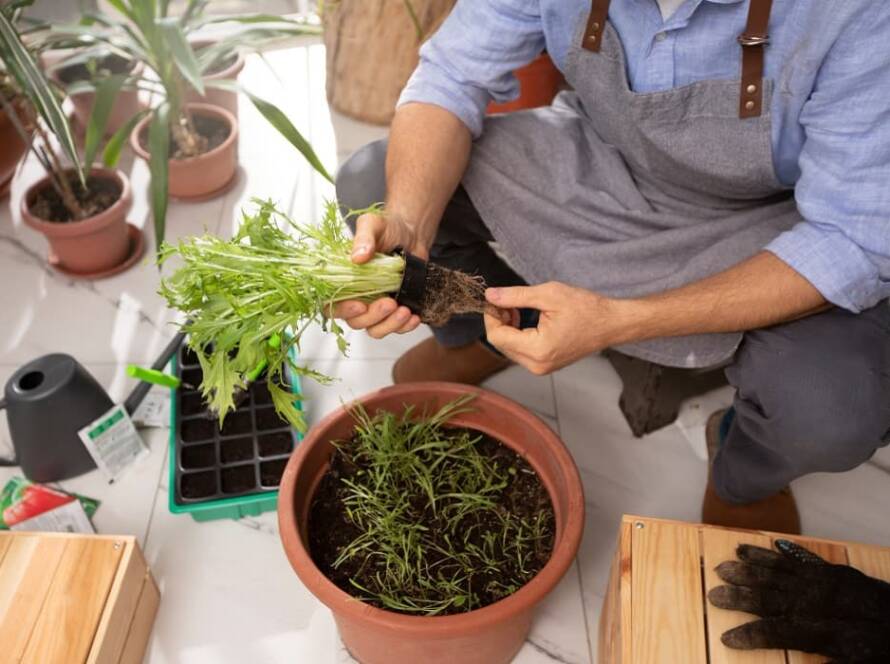
Lettuce is versatile, grows fast, and is perfect for small spaces or container gardening. It prefers partial shade and organic fertilizers like kitchen compost or worm castings.
5. Beans
Green beans, kidney beans, and other varieties enrich the soil with nitrogen. They are easy to grow organically and require support like trellises or sticks for climbing varieties.
6. Bell Peppers
Bell peppers need full sunlight and well-drained soil. Organic mulch helps retain moisture, and companion planting with basil can naturally protect peppers from pests.
7. Cucumbers
Cucumbers grow best in warm, sunny areas with rich organic soil. Regular watering and organic fertilizers enhance their growth. Training vines vertically saves space and improves air circulation.
8. Radishes
Radishes are one of the fastest-growing vegetables. They require minimal care, thrive in cooler weather, and benefit from natural pest repellents like garlic sprays.
9. Herbs
Herbs like basil, mint, coriander, and parsley are easy to grow organically. They enhance your meals and act as natural pest repellents for nearby vegetable plants.
10. Zucchini and Squash
These vegetables are productive and thrive in nutrient-rich soil. Organic compost and regular watering are sufficient for a healthy yield.
Tips for Successful Organic Gardening
Growing organic vegetable garden plants requires proper planning and care. Here are some tips for beginners and experienced gardeners alike:
- Choose the Right Soil: Use well-drained, nutrient-rich soil enriched with organic compost or manure.
- Companion Planting: Certain plants grow better together and naturally repel pests, such as planting tomatoes with basil or carrots with onions.
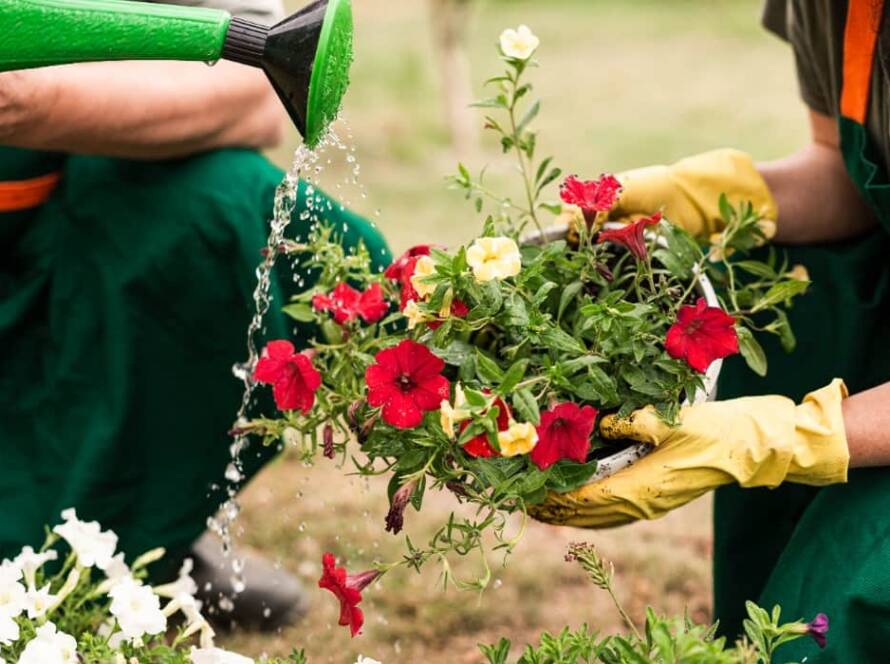
- Watering Wisely: Water early in the morning or late in the evening to prevent evaporation. Avoid overwatering to prevent root rot.
- Natural Pest Control: Use neem oil, garlic sprays, or insecticidal soaps to manage pests organically.
- Crop Rotation: Rotate crops each season to maintain soil fertility and prevent disease buildup.
- Mulching: Organic mulch like straw or dried leaves retains moisture, suppresses weeds, and improves soil health.
- Regular Harvesting: Picking vegetables on time encourages continuous growth and prevents over-ripening.
Benefits of Growing Your Own Vegetable Garden Plants
- Healthier Eating: Freshly harvested vegetables retain more nutrients than store-bought options.
- Cost Savings: Growing your own vegetables reduces grocery bills.
- Eco-Friendly: Organic gardening reduces chemical use, promotes biodiversity, and decreases carbon footprint.
- Mental Wellbeing: Gardening is a relaxing, stress-reducing activity that promotes physical and mental health.
Common Challenges and How to Overcome Them
- Pests: Use companion planting and natural sprays to deter pests. Avoid chemical pesticides.
- Soil Nutrient Deficiency: Add organic compost or green manure to enrich the soil.
- Weather Conditions: Use shade nets, rain shelters, or mulch to protect plants from extreme weather.
- Limited Space: Grow in containers, vertical gardens, or raised beds to maximize space.
FAQs About Vegetable Garden Plants
Q1: Which vegetable garden plants are easiest to grow organically?
A1: Spinach, lettuce, radishes, beans, and herbs are among the easiest to grow without chemicals.
Q2: How often should I water my vegetable garden plants?
A2: Most plants need 1-2 inches of water per week. Early morning or late evening watering is best.
Q3: Can I grow vegetable garden plants in containers?
A3: Yes! Many vegetables like tomatoes, lettuce, herbs, and peppers thrive in pots or raised beds.
Q4: How do I prevent pests without chemicals?
A4: Use neem oil, garlic sprays, companion planting, and encourage beneficial insects like ladybugs and bees.
Q5: What vegetables are best for small-space gardening?
A5: Lettuce, spinach, radishes, herbs, bell peppers, and dwarf tomato varieties are ideal for small spaces.
Growing your own vegetable garden plants organically is a fulfilling and sustainable way to enjoy fresh, nutritious produce. With the right planning, soil, and care, you can create a thriving garden that benefits your health, your wallet, and the environment. Start small, learn as you go, and enjoy the satisfaction of harvesting your own fresh vegetables.