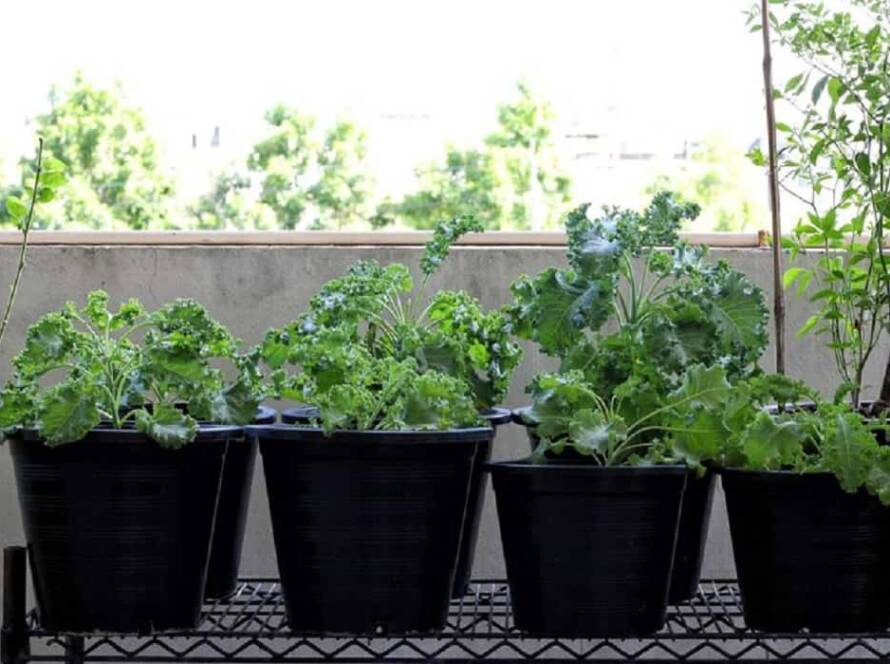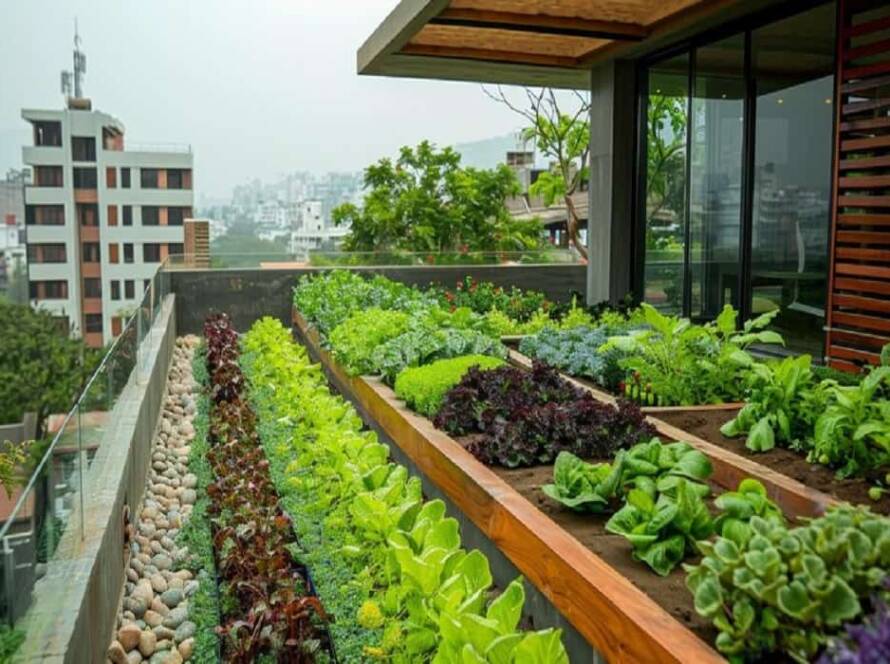

Gardening at home is more than just a relaxing hobby—it’s also a way to bring fresh air, greenery, and positivity into your living space. Whether you have a large backyard, a small terrace, or even just a balcony, home gardening can be rewarding and therapeutic. For beginners, getting started may seem overwhelming, but with the right guidance, anyone can grow healthy plants.
In this article, we will explore some practical tips for gardening at home that will help you create a thriving green space, even in limited areas.
Why Gardening at Home is Beneficial
Before we dive into tips, let’s look at why gardening at home is such a good idea:
- Fresh and Organic Produce: Growing your own vegetables and herbs ensures you eat chemical-free and nutrient-rich food.
- Stress Relief: Spending time with plants reduces stress and improves mood.
- Better Air Quality: Indoor plants purify the air by removing toxins.
- Eco-Friendly Lifestyle: Home gardening reduces your carbon footprint.
Essential Tips for Gardening at Home
Here are some tried-and-tested tips for gardening at home to help your plants thrive:
1. Start Small and Simple
If you’re a beginner, don’t try to grow too many plants at once. Start with easy-to-grow plants like mint, basil, aloe vera, or money plant. These require less maintenance and grow well in small spaces.
2. Choose the Right Location
Plants need the right amount of sunlight, air circulation, and shade. Most vegetables and flowers need 4–6 hours of direct sunlight. Place your pots near a balcony, window, or terrace to ensure proper light exposure.
3. Use Good-Quality Soil
Healthy soil is the foundation of healthy plants. Choose well-draining soil mixed with compost or organic manure. You can also make your own compost using kitchen waste like vegetable peels, tea leaves, and eggshells.
4. Water Plants Wisely
Overwatering is a common mistake in home gardening. Always check the soil moisture before watering. Use a spray bottle for small plants and water deeply but less frequently for larger ones.
5. Pick the Right Containers
For terrace or balcony gardening, use pots, grow bags, or recycled containers with proper drainage holes. Bigger plants like tomatoes or chilies need larger pots, while herbs can grow in smaller ones.
6. Fertilize Naturally
Chemical fertilizers may harm soil health in the long run. Instead, go for organic fertilizers such as compost, cow dung manure, or vermicompost. These enrich the soil and keep plants healthy.
7. Protect Plants from Pests
Use natural pest control methods like neem oil spray, garlic water, or soap solution instead of harmful pesticides. Encourage beneficial insects like ladybugs and bees.
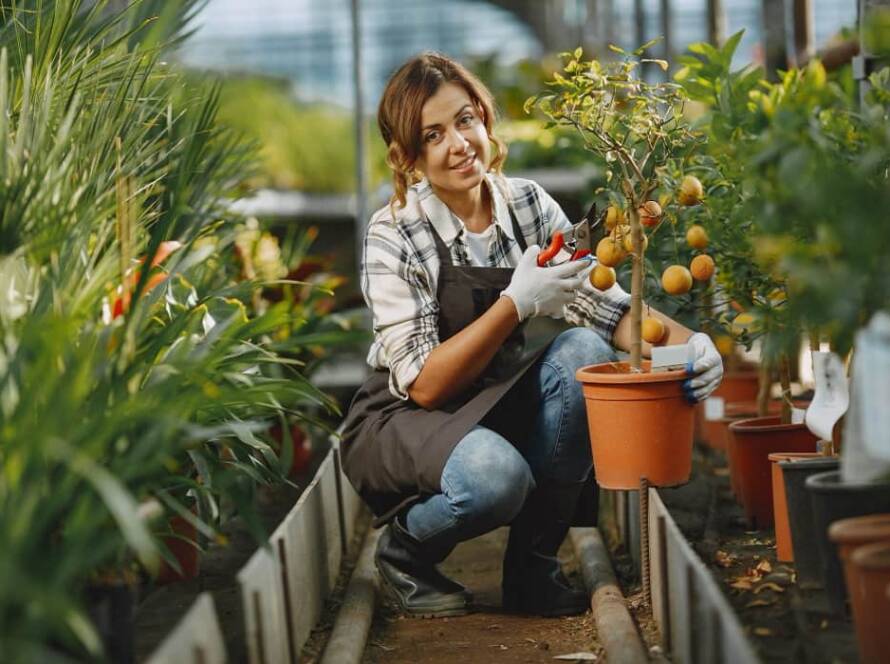
8. Prune and Trim Regularly
Removing dead leaves and trimming plants ensures better growth. Pruning helps in air circulation and prevents fungal diseases.
9. Grow Seasonal Plants
Choose plants based on the season. For example:
- Summer: Tomatoes, okra, cucumbers.
- Winter: Spinach, carrots, cauliflower.
- Year-round: Aloe vera, money plant, mint.
10. Be Patient and Consistent
Plants take time to grow. Be patient and consistent with watering, fertilizing, and care. The joy of seeing your first flower bloom or vegetable harvest will make it worthwhile.
Home Gardening Ideas for Small Spaces
Even if you don’t have a backyard, you can still enjoy gardening:
- Balcony Gardening: Use railing planters and hanging pots.
- Vertical Gardening: Install wall planters or shelves to grow herbs.
- Container Gardening: Reuse bottles, jars, or buckets.
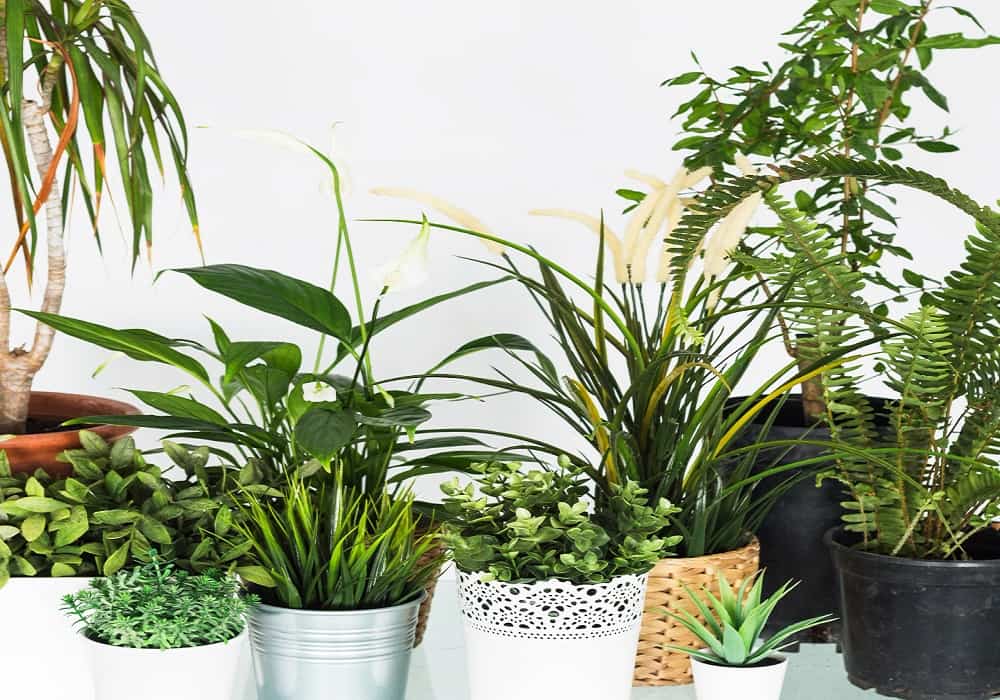
- Indoor Gardening: Keep indoor plants like snake plant, pothos, and peace lily.
Common Mistakes to Avoid in Home Gardening
- Overwatering plants without checking soil condition.
- Using poor-quality soil without nutrients.
- Growing non-seasonal plants in the wrong climate.
- Ignoring pest control until it damages plants.
- Lack of regular pruning and trimming.
Frequently Asked Questions (FAQs)
Q1: What are the easiest plants to grow at home?
A1: Beginners can start with aloe vera, basil, mint, spinach, and money plant as they require minimal care.
Q2: How often should I water my home garden plants?
A2: It depends on the plant and season. Generally, water when the top soil feels dry. Avoid overwatering.
Q3: Can I use kitchen waste for gardening?
A3: Yes, kitchen waste like vegetable peels, tea leaves, fruit scraps, and eggshells can be composted and used as fertilizer.
Q4: What is the best soil mix for home gardening?
A4: A mix of garden soil, compost, and coco peat works best as it provides nutrients and good drainage.
Q5: How do I keep pests away naturally?
A5: Use neem oil spray, garlic solution, or soap water. These natural remedies help repel harmful insects.
Final Thoughts
Home gardening is a wonderful way to connect with nature, grow fresh produce, and make your surroundings greener. With these easy tips for gardening at home, you can create a thriving space full of healthy and happy plants. Whether you are a beginner or an experienced gardener, consistency and care will always reward you with fresh blooms and harvests.