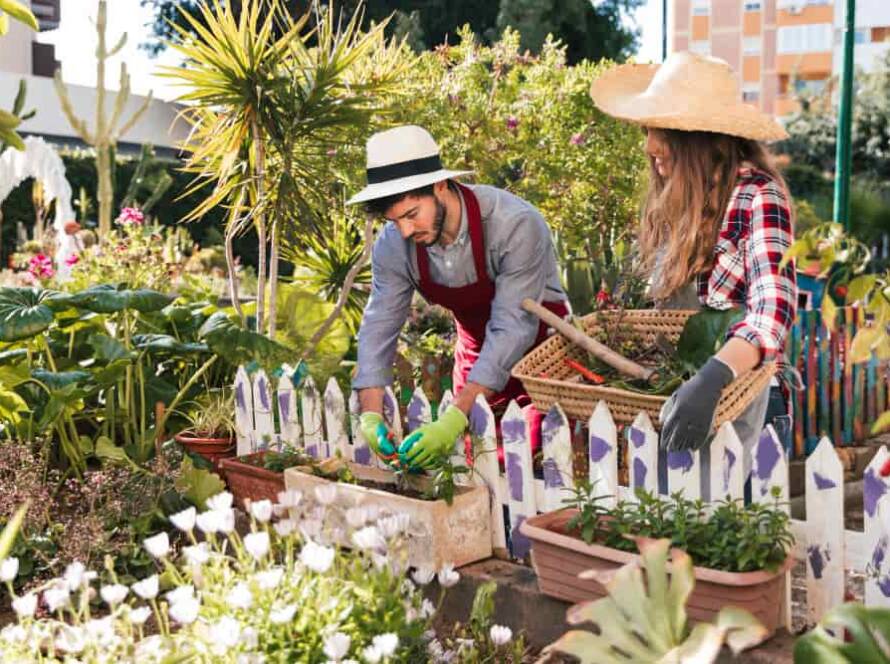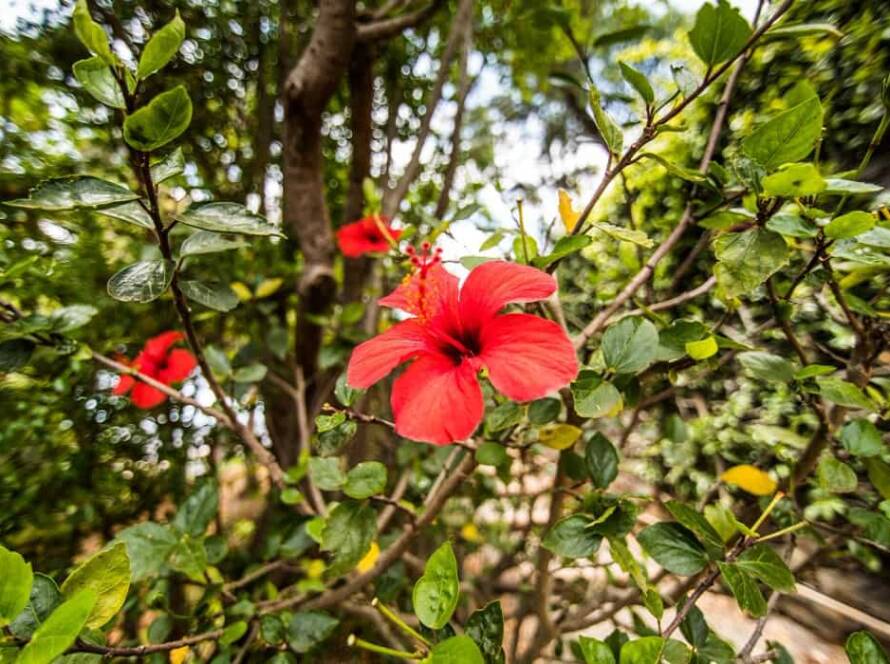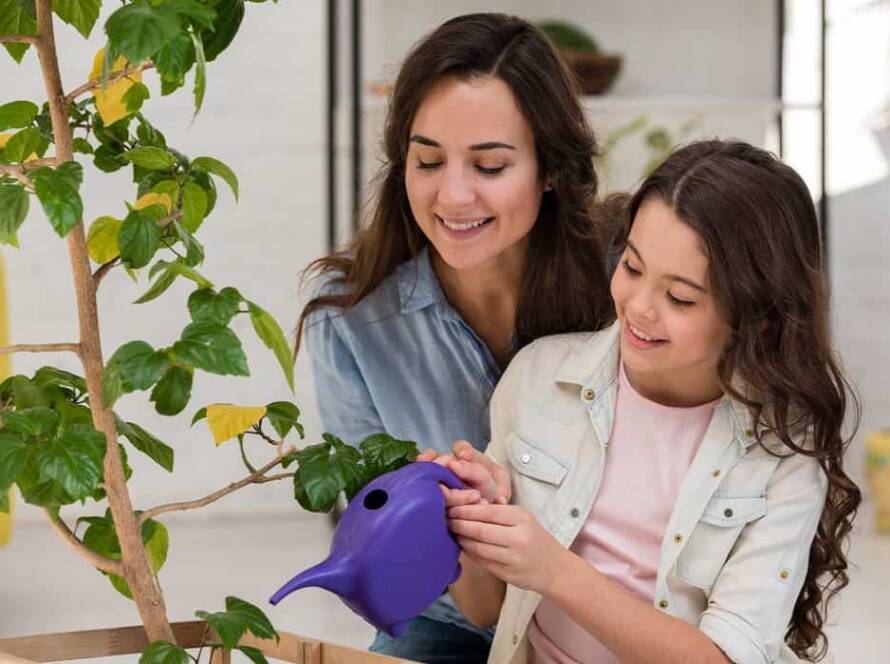
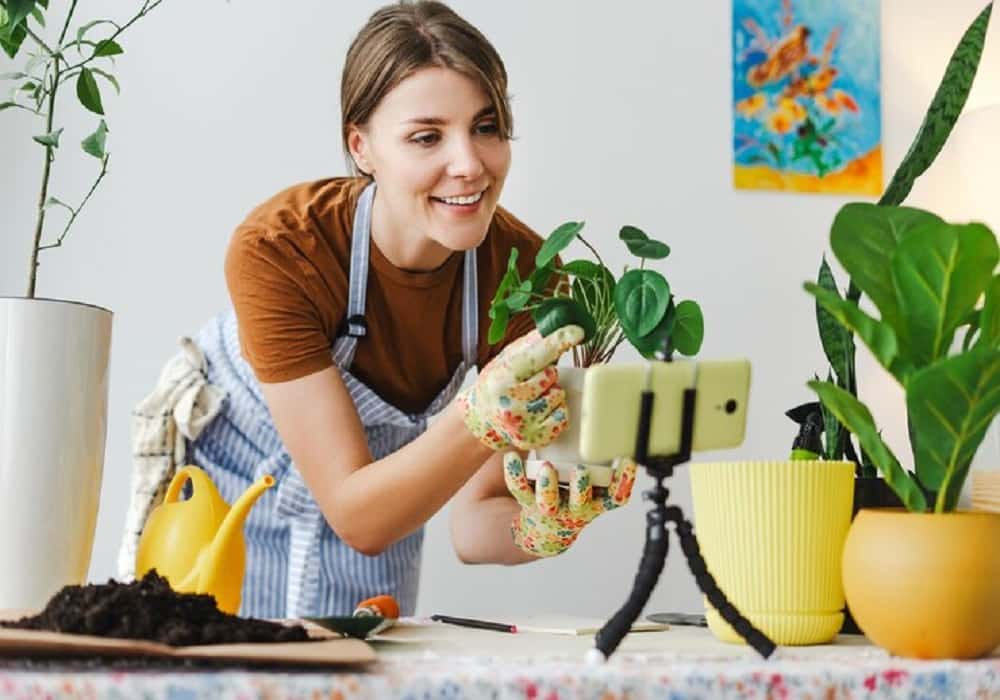
Starting your own home garden is one of the most rewarding hobbies you can pick up. Watching your plants grow, bloom, and thrive not only beautifies your space but also brings peace and satisfaction. However, if you’re new to gardening, you might feel unsure about where to start. Don’t worry — these home gardening tips for beginners will help you grow a healthy and beautiful garden with ease.
Let’s dive into the top 10 gardening hacks every beginner should know!
1. Start Small and Simple
One of the most common mistakes new gardeners make is starting too big. Begin with a small space and a few easy-to-grow plants. Herbs like basil, mint, or coriander and vegetables like tomatoes or chilies are great starters.
Starting small allows you to learn the basics — watering, soil care, sunlight needs — without feeling overwhelmed.
Pro Tip: Once you get the hang of it, expand gradually with more plants or larger garden beds.
2. Choose the Right Location
Location plays a huge role in plant health. Most plants need at least 4–6 hours of sunlight daily. Observe your garden area throughout the day to see where sunlight falls best.
If you’re growing shade-loving plants like ferns or peace lilies, choose a spot that receives indirect light.
Quick Hack: Use mirrors or reflective surfaces to redirect sunlight to shaded areas if your space doesn’t get enough natural light.
3. Know Your Soil Type
Good soil equals healthy plants. Before planting, check if your soil is sandy, clay, or loamy.
Loamy soil, which holds moisture and drains well, is ideal for most home gardens. You can improve soil quality by mixing organic compost, coco peat, or manure.
Hack for Beginners: Use a simple soil testing kit to check pH levels and nutrients. It helps you understand what your plants truly need.
4. Use Compost to Boost Growth
Homemade compost is a gardener’s gold. It enriches the soil naturally and reduces waste. Collect vegetable peels, dry leaves, coffee grounds, and eggshells to make nutrient-rich compost.
This natural fertilizer supports healthy root development and improves soil texture.
Pro Tip: Keep your compost moist but not wet, and stir it once a week for faster decomposition.
5. Water Smartly — Not Too Much, Not Too Little
Overwatering is one of the most common beginner mistakes. Most plants prefer slightly moist soil, not waterlogged conditions.
Always check the soil before watering. Stick your finger about an inch deep — if it feels dry, it’s time to water.
Hack: Water early in the morning or late evening to reduce evaporation and allow plants to absorb moisture efficiently.
6. Reuse Household Items for Gardening
You don’t need expensive tools to start gardening. Use old containers, bottles, or buckets as planters.
Egg cartons are perfect for seed starters, and plastic bottles can be turned into self-watering pots.
Sustainability Tip: Reusing household items not only saves money but also promotes eco-friendly gardening.
7. Use Mulch to Retain Moisture
Mulching is one of the best home gardening tips for beginners. Spread a layer of dry leaves, straw, or grass clippings around your plants.
Mulch helps retain moisture, prevents weeds, and keeps the soil cool — perfect for India’s hot climate.
Quick Hack: Organic mulch also breaks down over time, adding nutrients back to the soil.
8. Learn Companion Planting
Certain plants grow better together. This practice, known as companion planting, helps improve growth and protect against pests.
For example, plant basil near tomatoes to repel insects, or marigolds near vegetables to deter aphids.
Smart Gardening Tip: Avoid planting similar plants too close, as they may compete for the same nutrients.
9. Keep an Eye on Pests Naturally
Instead of using harsh chemicals, go for natural pest control methods. Neem oil spray or a mixture of soap and water works great to keep pests away.
You can also plant lavender, mint, or marigolds to naturally repel harmful insects.
Pro Tip: Always inspect leaves (especially the underside) regularly for early signs of pest damage.
10. Be Patient and Consistent
Gardening is all about patience. Plants take time to grow and bloom. Consistency in watering, sunlight, and care is key.
Even if some plants fail, learn from the experience — every gardener makes mistakes in the beginning.
Motivational Hack: Keep a small gardening journal to track plant growth, watering schedules, and observations.
Bonus Tips for Home Gardening Beginners
- Use organic fertilizers to promote long-term soil health.
- Rotate plants seasonally to keep soil fertile.
- Group plants with similar sunlight and watering needs.
- Label your plants to remember what’s planted where.
With these simple home gardening tips for beginners, you’ll soon find your green space thriving beautifully.
Why Home Gardening Is Worth It
Home gardening not only beautifies your surroundings but also improves mental well-being. Caring for plants reduces stress, purifies the air, and brings you closer to nature. Plus, growing your own herbs and veggies saves money and ensures chemical-free produce.
Even with limited space — like a balcony or terrace — you can create a mini paradise with the right approach and consistency.
Frequently Asked Questions (FAQs)
1. What are the easiest plants to grow at home for beginners?
Herbs like mint, basil, and coriander, and vegetables like tomatoes, spinach, and chilies are perfect for beginners. They require minimal care and grow quickly.
2. How often should I water my plants?
It depends on the plant type and season. Generally, watering once every 2–3 days works for most home gardens. Always check soil moisture before watering.
3. What is the best soil for home gardening?
A well-draining loamy soil enriched with compost or organic matter works best for most home plants.
4. How can I prevent pests in my garden naturally?
Use neem oil, soap sprays, or companion plants like marigold and mint to keep pests away without chemicals.
5. Can I start a garden in a small space or apartment?
Absolutely! Balcony gardens, hanging pots, and vertical planters are great options for compact areas. Choose plants suited for containers and partial sunlight.
Conclusion
Home gardening is not just about growing plants — it’s about nurturing life, patience, and creativity. By following these top gardening hacks and practical home gardening tips for beginners, you’ll develop the skills to grow a vibrant, healthy garden right at home.